
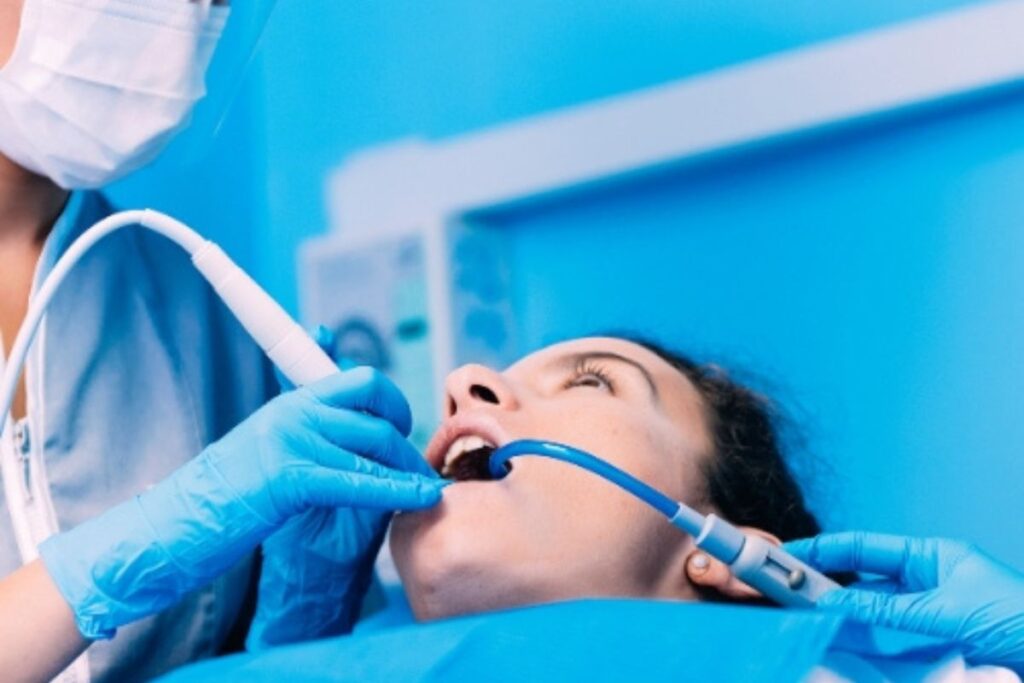
A severe gag reflex can make dental visits stressful for many patients. Even simple procedures such as dental impressions, X-rays, or orthodontic evaluations may trigger discomfort. This often leads people to postpone care, which can affect long-term oral health. Fortunately, modern dentistry focuses strongly on patient comfort. Techniques like relaxation methods and sedation dentistry have become valuable tools to help individuals manage gag reflex sensitivity and receive treatment more comfortably.
Understanding how sedation dentistry works can help patients feel more confident about their dental visits and reduce anxiety surrounding procedures.
Understanding the Gag Reflex in Dental Care
The gag reflex is a natural protective reaction. It helps prevent choking by pushing foreign objects out of the throat. However, in some individuals, this reflex becomes highly sensitive.
Common triggers during dental appointments include:
-
Dental instruments touching the back of the mouth
-
Dental impression trays used in orthodontic treatments
-
X-ray sensors placed toward the back teeth
-
Anxiety or stress during procedures
-
Breathing difficulties through the nose
A strong gag reflex does not mean someone cannot receive dental care. Dental professionals often adapt techniques to make treatments easier and more comfortable.
Why a Strong Gag Reflex Can Affect Oral Health
When patients avoid appointments due to gag reflex concerns, small dental issues may gradually worsen. Regular checkups are important for monitoring oral health, evaluating bite alignment, and assessing orthodontic needs.
Delayed visits can lead to:
-
Difficulty identifying early alignment problems
-
Missed opportunities for preventive orthodontic planning
-
Increased anxiety about future dental visits
-
Challenges completing necessary oral exams
Addressing gag reflex sensitivity early helps patients maintain consistent dental care and stay comfortable during appointments.
How Sedation Dentistry Supports Patients With Gag Reflex
Sedation dentistry uses safe relaxation techniques to help patients remain calm and comfortable during treatment. It works by reducing anxiety and relaxing the muscles that contribute to gag reflex reactions.
Patients who experience severe gag reflex often notice several benefits:
Relaxed Muscles
Sedation helps reduce muscle tension in the throat and jaw. This allows dental instruments or orthodontic tools to be used without triggering a strong reflex response.
Reduced Anxiety
Anxiety often intensifies gag reflex sensitivity. Sedation techniques calm the nervous system, making it easier for patients to tolerate dental procedures.
Improved Breathing and Comfort
Relaxed breathing patterns can significantly reduce gag reflex triggers during dental imaging or orthodontic assessments.
Better Treatment Efficiency
When patients remain relaxed, procedures such as orthodontic impressions or diagnostic imaging can be completed more smoothly.
In many cases, individuals seeking a sedation dentist in Hawthorn Woods, IL explore these options because they want a more comfortable dental experience without the stress of gag reflex interruptions.
Sedation Dentistry and Orthodontic Evaluations
Orthodontic care often requires diagnostic procedures such as impressions, digital scans, or imaging. For patients with a sensitive gag reflex, these steps can feel overwhelming.
Sedation dentistry can help in situations such as:
-
Taking dental impressions for orthodontic planning
-
Performing comprehensive oral examinations
-
Completing diagnostic X-rays
-
Conducting longer orthodontic assessments
By reducing discomfort, patients are more likely to complete necessary evaluations that support healthy bite alignment and long-term oral health.
Other Techniques Dentists Use to Manage Gag Reflex
Sedation is helpful, but dental teams also use several non-sedation techniques to reduce gag reflex sensitivity.
Nasal Breathing Guidance
Patients may be encouraged to breathe through the nose during procedures. Nasal breathing helps stabilize the gag reflex.
Upright Seating Position
A slightly upright chair position can prevent pressure on the throat and reduce gag reflex triggers.
Topical Numbing Gel
Some dental professionals apply numbing gel to areas that trigger the reflex.
Distraction Techniques
Listening to music, focusing on breathing patterns, or guided relaxation can help redirect attention during procedures.
Combining these techniques with sedation dentistry can significantly improve patient comfort.
Research and Statistics on Dental Anxiety and Gag Reflex
| Statistic | Insight |
|---|---|
| Nearly 36% of adults experience dental anxiety | Anxiety can intensify gag reflex sensitivity |
| Around 12% report severe dental fear | This often leads to delayed dental visits |
| Sedation dentistry improves treatment tolerance for many patients | Particularly helpful for gag reflex and anxiety |
These findings highlight why patient-comfort techniques are increasingly used in modern dental practices.
Trending FAQs About Sedation Dentistry and Gag Reflex
Here are some commonly searched questions people ask online about this topic:
1. Can sedation dentistry stop a gag reflex?
Sedation dentistry does not completely eliminate the reflex but relaxes the body and reduces its sensitivity, making procedures much easier to tolerate.
2. Is sedation dentistry safe for patients with dental anxiety?
Yes. Sedation techniques are carefully monitored and commonly used to help patients remain calm during dental treatments.
3. Why do dental X-rays trigger gag reflex?
The positioning of X-ray sensors near the back teeth may stimulate sensitive areas of the mouth, triggering the reflex in some individuals.
4. Can orthodontic procedures trigger gag reflex?
Yes. Procedures such as impressions or oral scans may trigger the reflex in sensitive patients, which is why comfort techniques are often used.
5. How can I prepare for a dental visit if I have a strong gag reflex?
Practicing nasal breathing, staying relaxed, and discussing comfort options with your dental provider can help make the appointment smoother.
When to Talk to a Dental Professional
A strong gag reflex should not prevent someone from receiving necessary oral care. Dentists regularly work with patients who have similar concerns and can recommend techniques that make treatment easier.
If you experience frequent gag reflex discomfort during dental visits, it may help to discuss your symptoms openly with a dental professional. Many providers focus on comfort-based approaches that reduce anxiety and help patients complete evaluations successfully.
Additionally, if you are searching for a dentist near you, consider asking about patient-comfort methods, sedation options, and techniques used to manage sensitive gag reflex responses.
A More Comfortable Path Toward Better Oral Health
Dental visits should feel manageable and supportive, not stressful. Severe gag reflex sensitivity is more common than many people realize, and modern dentistry offers several solutions to help patients receive care comfortably. Sedation dentistry, combined with thoughtful treatment techniques, allows individuals to undergo dental examinations and orthodontic evaluations with far less discomfort.
Taking the first step toward addressing gag reflex concerns can make future dental visits much easier and more positive. If gag reflex issues have been delaying your dental care, now may be the right time to speak with a dental professional and schedule an appointment.