
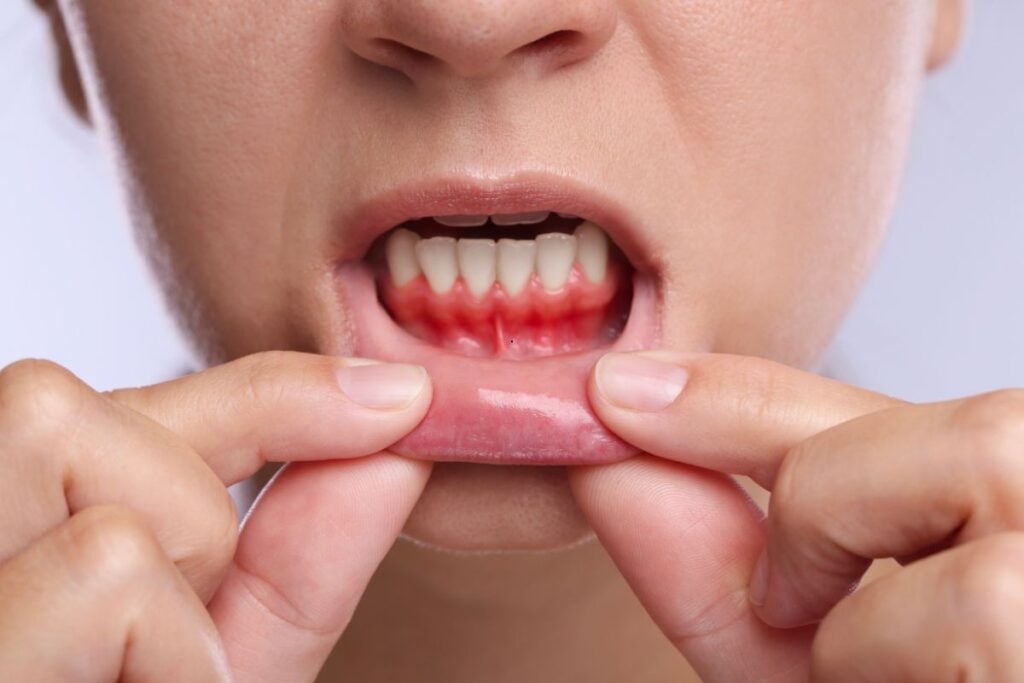
Tooth loss is one of the most common concerns adults face when gum disease progresses. Many people first notice bleeding gums, bad breath, or loose teeth and immediately fear the worst. The good news is that modern dental care offers effective ways to stop the progression of gum disease and protect natural teeth before it becomes irreversible. Understanding how periodontal therapy works and when to seek help can make a significant difference in preserving your smile.
Healthy gums play a critical role in keeping teeth stable. When gum tissue becomes inflamed or infected, the supporting structures around the teeth gradually weaken. Without proper care, this can lead to mobility and eventual tooth loss. Early diagnosis and proper management can dramatically improve outcomes.
Understanding Periodontal Disease
Periodontal disease, commonly called gum disease, is a bacterial infection that affects the tissues and bone supporting the teeth. It typically develops in stages.
Gingivitis: The Early Stage
Gingivitis is the mildest form of gum disease. Symptoms may include:
-
Red or swollen gums
-
Bleeding during brushing or flossing
-
Persistent bad breath
At this stage, the damage is still reversible with proper oral hygiene and professional care.
Periodontitis: The Advanced Stage
If untreated, gingivitis can progress into periodontitis. This stage involves:
-
Gum recession
-
Formation of periodontal pockets
-
Bone loss around teeth
-
Tooth looseness
The deeper the infection spreads, the more difficult it becomes to preserve the supporting structures.
How Gum Infections Cause Teeth to Fall Out
Teeth are anchored by ligaments and bone within the jaw. When bacteria accumulate under the gum line, the body triggers an inflammatory response. Over time, this inflammation destroys the bone that supports teeth.
When the supporting bone weakens, teeth begin to shift, loosen, and eventually fall out. This process can occur gradually over several years or accelerate if the infection is aggressive.
Early intervention is critical because once significant bone loss occurs, treatment becomes more complex.
Can Periodontal Treatment Actually Save Teeth?
Yes, in many cases periodontal therapy can stabilize the condition and help prevent tooth loss. The main goal of treatment is to eliminate infection and protect the remaining bone and gum tissue.
Dentists often recommend targeted care such as periodontal treatment in Hawthorn Woods, IL when gum disease begins affecting the deeper tissues around teeth. Addressing the infection early helps stop further destruction and allows gums to heal.
Treatment strategies focus on three important goals:
-
Removing harmful bacteria below the gumline
-
Reducing inflammation and infection
-
Encouraging gums to reattach to teeth
When performed at the right time, these approaches significantly improve the chances of keeping natural teeth.
Signs You Should Not Ignore
Many people delay treatment because early symptoms seem mild. However, several warning signs indicate that gum disease may already be progressing.
Common symptoms include:
-
Bleeding gums during brushing
-
Gums pulling away from teeth
-
Persistent bad breath
-
Loose teeth
-
Sensitivity while chewing
Ignoring these symptoms allows the infection to spread deeper into the supporting bone.
What Happens During Periodontal Care?
Professional gum care focuses on removing bacterial buildup that brushing alone cannot reach. Treatment typically includes deep cleaning techniques that target plaque and hardened deposits below the gum line.
These procedures help reduce periodontal pockets and create a healthier environment for the gums to recover. Dentists may also recommend improved home care routines to maintain long-term gum stability.
Maintaining consistent oral hygiene, regular checkups, and professional cleanings are essential for preventing recurrence.
Oral Health Statistics Related to Gum Disease
Understanding the scale of periodontal disease helps explain why early care is so important.
| Statistic | Data |
|---|---|
| Adults affected by gum disease in the U.S. | Nearly 47% |
| Adults over age 65 affected | About 70% |
| Leading cause of adult tooth loss | Periodontal disease |
| Preventable with early care | Yes in most cases |
These numbers highlight how common the condition is and how crucial early intervention can be.
Protecting Your Teeth Long-Term
Preventing tooth loss requires a combination of professional guidance and daily oral care habits.
Helpful steps include:
-
Brushing twice daily with fluoride toothpaste
-
Flossing to remove plaque between teeth
-
Attending routine dental checkups
-
Avoiding tobacco use
-
Managing conditions such as diabetes
For individuals noticing gum changes, seeking professional advice quickly is essential. Many patients delay care simply because they are unsure where to start. If you are searching for a dentist near you, beginning with a professional dental evaluation can help identify the stage of gum disease and the best approach to protect your teeth.
Trending FAQs About Periodontal Treatment
1. Can loose teeth become firm again after treatment?
In early stages, reducing inflammation can allow gums to tighten around teeth. However, severe bone loss may limit complete stability.
2. How long does gum disease treatment take?
Treatment time varies depending on severity. Mild cases may improve quickly, while advanced cases require longer monitoring.
3. Is gum disease reversible?
Gingivitis is reversible. Periodontitis cannot be fully reversed, but it can be controlled with proper care.
4. Does gum disease always lead to tooth loss?
Not necessarily. Early diagnosis and treatment can often prevent teeth from falling out.
5. What is the biggest cause of gum disease?
Plaque buildup and poor oral hygiene are the most common causes, although genetics and lifestyle factors also play roles.
Gum disease may feel alarming, but losing your teeth is not inevitable. With timely care, professional guidance, and consistent oral hygiene, many patients successfully stabilize their gum health and preserve their natural smile. Recognizing early symptoms and taking action can protect the foundation that keeps your teeth secure for years to come.