
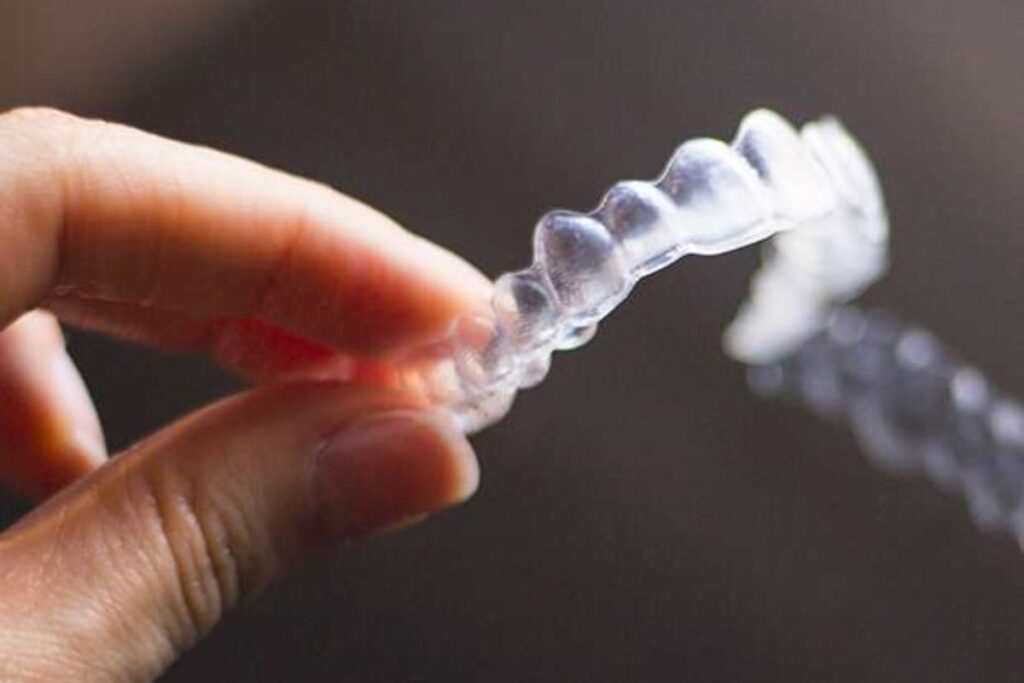
Straightening your teeth is exciting, but many patients worry about discomfort before starting treatment. One of the most common questions people ask is whether Invisalign feels as painful as traditional metal braces. While both options move teeth into healthier positions, the experience is often very different.
Clear aligners are designed with comfort in mind. Still, mild soreness can happen as your teeth begin shifting. Understanding what causes this sensation and how long it lasts can help you feel more prepared and confident about your orthodontic journey.
Does Invisalign Hurt When You First Start Wearing Aligners?
Most patients describe Invisalign discomfort as pressure rather than sharp pain. This pressure is actually a sign that the aligners are working correctly. Your teeth are gradually moving into alignment through controlled force.
The first few days with a new aligner tray are usually when soreness is most noticeable. Many people experience:
- Mild tenderness while chewing
- Tightness around certain teeth
- Slight sensitivity to cold foods
- Minor tongue or cheek irritation initially
Unlike metal braces, Invisalign aligners do not have brackets or wires that can poke the inside of your mouth. That makes the adjustment period easier for many teens and adults.
Is Invisalign Less Painful Than Metal Braces?
For most patients, yes. Traditional braces can create discomfort after wire tightening appointments. Broken brackets or protruding wires may also irritate the lips and cheeks.
Invisalign aligners are made from smooth plastic material. They fit closely against the teeth, reducing friction inside the mouth. Because tooth movement happens in smaller stages, many patients report a gentler experience overall.
Here is a quick comparison:
| Feature | Invisalign | Metal Braces |
|---|---|---|
| Smooth Surface | Yes | No |
| Wire Irritation | No | Common |
| Removable | Yes | No |
| Tightness After Adjustments | Mild | Moderate |
| Mouth Sores | Less Common | More Common |
Patients using our invisalign treatment in Hawthorn Woods often mention that the soreness feels manageable and temporary, especially compared to stories they have heard about traditional braces.
Why Do Teeth Feel Sore During Invisalign Treatment?
Tooth soreness happens because the aligners are applying controlled pressure to reposition teeth. This process affects the periodontal ligament, which supports your teeth within the jawbone.
That temporary inflammation can lead to mild sensitivity. The sensation usually fades within a few days as your mouth adapts to the new tray.
Factors that influence soreness include:
- How much tooth movement is needed
- Switching to a new aligner tray
- Existing dental sensitivity
- Wearing aligners inconsistently
Patients who wear aligners for the recommended amount of time each day often adjust faster and experience smoother progress.
How Long Does Invisalign Pain Usually Last?
Most discomfort is temporary. Patients commonly notice:
- Mild soreness for 1–3 days after switching trays
- Slight pressure during the first week
- Minimal discomfort once teeth adapt
The soreness tends to become less noticeable as treatment continues. Your mouth gradually becomes accustomed to aligner changes.
Dr. Shaun Varghese often encourages patients to switch to new trays before bedtime. Sleeping through the first several hours can make the transition feel easier.
Can You Reduce Invisalign Soreness at Home?
Yes. Several simple strategies may help relieve discomfort during treatment.
Wear Aligners Consistently
Removing aligners too often can increase soreness because teeth repeatedly shift back slightly. Consistent wear helps teeth adapt more efficiently.
Eat Softer Foods Initially
Soups, yogurt, pasta, smoothies, and softer proteins can make chewing easier during the first day or two with new trays.
Use Cold Water
Cold water may soothe inflamed tissues and reduce temporary sensitivity.
Change Trays at Night
Many orthodontic professionals recommend starting new trays before sleeping so your mouth can adjust overnight.
Keep Aligners Clean
Dirty aligners may irritate the gums or contribute to discomfort. Proper cleaning also supports better oral health throughout treatment.
Patients who want guidance about comfort strategies can always request a consultation visit to discuss their treatment experience and concerns in more detail.
Can Invisalign Cause Headaches or Jaw Soreness?
Some patients notice mild headaches or jaw tightness during the early stages of treatment. This usually happens because the bite is gradually changing as teeth move into alignment.
These symptoms are typically temporary and improve within a few days. Persistent pain, however, should always be evaluated by a dental professional.
Is Invisalign Safe for Teens?
Yes. Invisalign can be an effective option for teenagers with mild to moderate alignment concerns. Many parents appreciate the removable design because it makes brushing and flossing easier.
Younger patients often prefer clear aligners because they are less noticeable during school activities, sports, and social events.
In some situations, our dentists may recommend an orthodontic evaluation if bite or spacing concerns are affecting oral development.
Trending FAQs About Invisalign Pain
- Does Invisalign hurt every time you change trays?
Usually only mild pressure occurs for 1–3 days. - Is Invisalign pain worse at night?
Some patients notice more pressure at night because there are fewer distractions. - Can Invisalign cut the inside of your mouth?
Minor irritation may happen initially, but smooth aligners reduce this risk compared to braces. - How do you sleep comfortably with Invisalign?
Most people adjust within a few nights and sleep normally afterward. - Does Invisalign hurt more than braces?
Most patients report less irritation and soreness compared to traditional metal braces. - Can I eat normally with Invisalign?
Yes. Aligners are removed before eating.
Good educational guidance and consistent follow-up visits can make treatment much smoother. If you are searching for an expert orthodontist in Hawthorn Woods, it is important to choose a provider who carefully monitors tooth movement and creates a personalized treatment plan based on your smile goals.
What Should You Expect During the First Week of Invisalign?
The first week is mainly about adjustment. Your speech may feel slightly different for a short period, and the aligners may initially feel tight.
Most patients adapt quickly within several days. Maintaining strong oral hygiene and wearing the trays consistently helps improve comfort and treatment efficiency.
You should also expect regular progress checks throughout treatment. These visits help ensure your teeth are moving properly and allow any concerns to be addressed early.
Invisalign treatment can cause temporary soreness, but many patients find it significantly more comfortable than traditional braces. The pressure is usually mild, short-lived, and manageable with simple at-home care strategies.
Understanding what to expect can make the process feel far less intimidating. Invisalign aligners offer a discreet and convenient way to improve your smile while minimizing many of the common discomforts associated with metal braces. If you would like to arrange a personalized consultation to learn whether Invisalign is the right fit for your needs, speaking with an experienced dental professional is the best next step.