
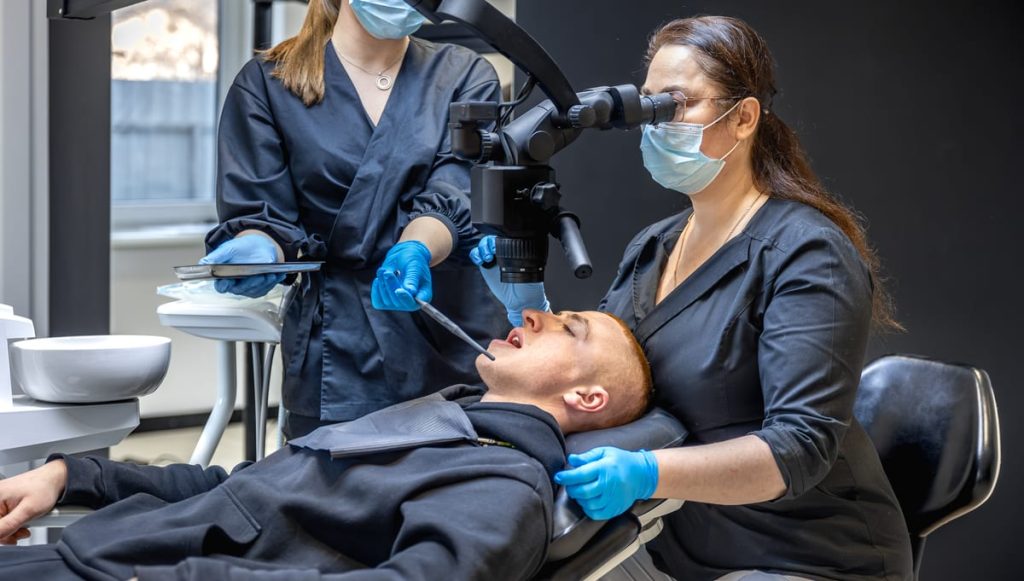
If you live near Forest Lake, IL and your dentist has recommended a root canal, you are probably feeling anxious. That is completely normal. The root canal procedure carries a fearsome reputation — but most of that fear comes from outdated information. Understanding exactly what you will feel at each step can make a dramatic difference. At Hawthorn Woods Dental, Dr. Jeffrey Copeland walks every patient through the process so there are no surprises.
Why Root Canals Have an Undeserved Reputation
Root canals earned their scary image decades ago. Dental techniques and anesthetics were far less advanced back then. Today, the procedure is routinely compared to getting a standard filling in terms of discomfort. Most patients are genuinely surprised by how manageable the experience is.
The pain patients fear is actually the infection — not the treatment itself. The root canal is what stops that pain. Once you understand that distinction, the whole procedure feels very different. Dr. Copeland hears this feedback from Forest Lake patients regularly.
Here is what actually drives fear:
- Not knowing what to expect at each stage
- Hearing exaggerated stories from others
- Worrying the anesthetic will not work
- Anticipating sounds or sensations during treatment
Knowledge is genuinely the best antidote to dental anxiety. Let us walk through every step together so you feel informed and prepared before you ever sit in the chair.
Step One: Numbing the Area — What You Will Actually Feel
The first step is local anesthesia. Dr. Copeland applies a topical numbing gel to your gum tissue before any injection. This gel takes effect within about sixty seconds. By the time the needle arrives, most patients barely register it.
You may feel a brief pinch or mild pressure as the anesthetic is delivered. That sensation typically lasts only a few seconds. Within a few minutes, the entire tooth and surrounding tissue become completely numb. You will not feel pain during any part of the procedure that follows.
Some patients feel anxious waiting for the numbness to fully set in. Dr. Copeland always confirms the area is fully numb before proceeding. You can always raise your hand if you feel anything unexpected — treatment stops immediately. Your comfort is the priority at every stage.
Step Two: Accessing and Cleaning the Tooth
Once you are numb, Dr. Copeland creates a small opening in the top of the tooth. You will hear some drilling sounds, but you should feel no pain — only gentle vibration and pressure. Many patients are surprised by how little they actually experience at this point.
Through that opening, Dr. Copeland uses very fine instruments to remove the infected or inflamed pulp tissue. The pulp is the soft inner material of the tooth containing nerves and blood vessels. Because the area is numb, the removal process is not painful. You may feel occasional pressure, but that is all.
The canals are then carefully shaped and cleaned. This is the most time-intensive part of the procedure. Here is what you can expect during this phase:
- A slight sensation of pressure or movement inside the tooth
- The sound of small instruments working — nothing sharp or painful
- Occasional use of a mild irrigation solution to flush the canals
- Brief pauses as Dr. Copeland checks measurements with a small digital sensor
The cleaning phase ensures all bacteria and infected tissue are fully removed. It is thorough and precise, which is exactly what protects your tooth long-term.
Step Three: Filling and Sealing the Tooth
After the canals are clean, they are filled with a biocompatible material called gutta-percha. This rubber-like material seals the canals completely. It prevents bacteria from re-entering the treated area. You will feel no pain during this step — just minor pressure as the material is placed.
A temporary or permanent filling is then placed over the access opening. This restores the surface of the tooth. In most cases, Dr. Copeland will also recommend a dental crown to protect the tooth afterward. Crowns add strength and prevent fractures in teeth that have undergone root canal treatment.
The entire appointment typically lasts between sixty and ninety minutes. Complex cases or multi-canal teeth may require a second visit. Dr. Copeland will give you a clear timeline before treatment begins so you can plan accordingly.
What to Expect After the Procedure in Forest Lake
Once the anesthesia wears off, mild soreness is normal. This usually develops within a few hours of treatment. Over-the-counter pain relievers manage this discomfort effectively for most patients. The soreness typically resolves within two to three days.
It is important to avoid chewing hard foods on the treated side until your crown is placed. The tooth is more vulnerable during that interim period. Stick to softer foods and maintain your regular brushing and flossing routine. Good oral hygiene supports a smooth recovery.
Watch for any of these signs that warrant a quick call to our office:
- Swelling that worsens after the second day
- Severe pain not relieved by over-the-counter medication
- The temporary filling feeling loose or falling out
- A visible bump or pimple on the gum near the treated tooth
Most Forest Lake patients return to normal daily activities the very next day. The procedure is genuinely far more routine than its reputation suggests. Dr. Copeland and the Hawthorn Woods Dental team make every effort to keep you comfortable from start to finish.
Conclusion: You Can Get Through This
A root canal procedure is one of the most misunderstood treatments in all of dentistry. When you understand what you will actually feel at each step, the experience becomes far less intimidating. Dr. Jeffrey Copeland uses gentle techniques, modern anesthetics, and clear communication to guide every patient through with confidence. If you are near Forest Lake and need this treatment — or simply want answers before deciding — we are here to help. Book Now to schedule your appointment with our team.
Frequently Asked Questions
Does a root canal hurt during the procedure?
No. With modern local anesthesia, patients feel little to no pain during the root canal itself. You may feel pressure or vibration, but the numbing agent prevents any sharp or significant discomfort. Dr. Copeland confirms full numbness before beginning any work on your tooth.
How long does a root canal appointment take?
Most root canal appointments at Hawthorn Woods Dental take between sixty and ninety minutes. More complex cases involving multiple canals may require an additional visit. Dr. Copeland will give you a clear estimate of your specific timeline before treatment begins.
Will I be sore after the root canal?
Mild soreness after the anesthesia wears off is common and expected. Most patients manage it easily with over-the-counter pain relievers. The discomfort is usually significantly less intense than the pain caused by the original tooth infection, and it typically resolves within two to three days.
Do I need a crown after a root canal?
In most cases, yes. A dental crown protects the treated tooth from fracture and restores its full function. Teeth that have undergone root canal treatment can become more brittle over time, so a crown significantly extends the life of the tooth. Dr. Copeland will advise you on the best restoration for your specific situation.
Is a root canal better than pulling the tooth?
Saving your natural tooth is almost always the preferred option when possible. Root canal treatment preserves the tooth’s root structure, maintains bone density in the jaw, and keeps neighboring teeth properly aligned. Extracting a tooth and replacing it with an implant or other restoration is typically more involved than saving the original tooth with a root canal.