
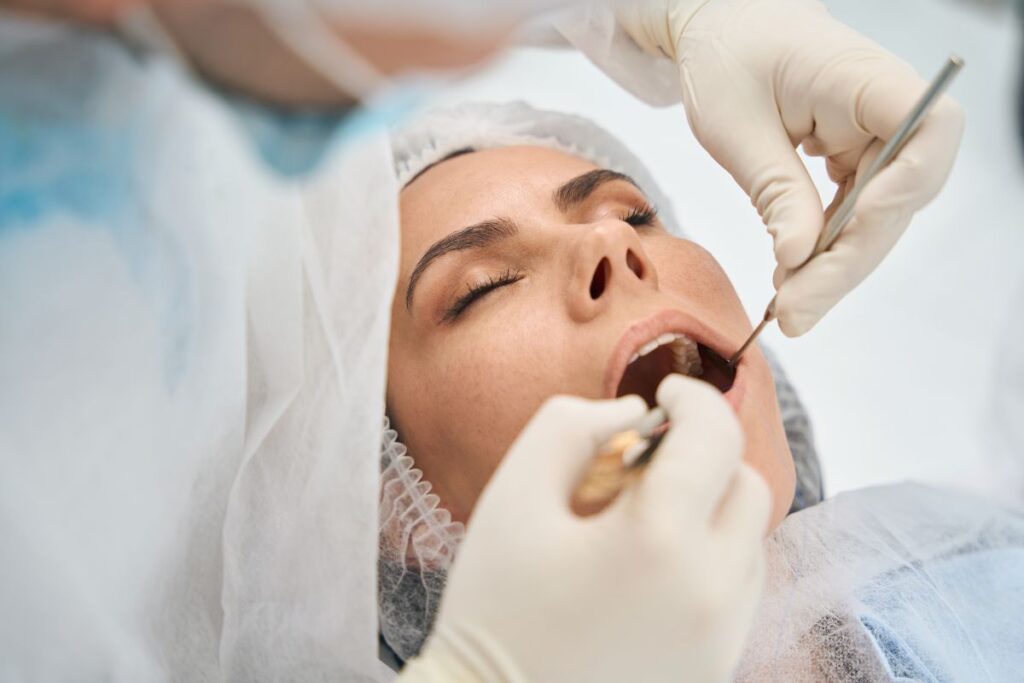
You’ve just had a root canal, and now you’re wondering about that lingering ache. It’s a common thought—many people feel a mix of relief and curiosity after the procedure. Let’s dive into what you might experience, so you can relax knowing what’s typical and how to handle it. This guide breaks it down step by step, drawing from real patient stories and expert insights to make your recovery smoother.
Understanding the Root Canal Process
A root canal removes infected tissue from inside your tooth to save it from further damage. The dentist cleans the area, fills it, and often tops it with a crown for protection. This treatment preserves your natural tooth, avoiding extraction. Many patients report feeling better right away, but some soreness follows as your body heals.
During the procedure, local anesthesia keeps you comfortable. Afterward, the numbness wears off, and that’s when sensations might start. It’s like your tooth is adjusting to the changes. If you’re in areas like northern Illinois, options for root canal therapy in Hawthorn Woods, IL, blend modern techniques with gentle care, ensuring minimal disruption to your daily life.
Common Types of Discomfort After Treatment
Mild pain is the most frequent issue. It often feels like a dull ache around the treated tooth. This comes from inflammation in the surrounding tissues. Biting or chewing can heighten it, especially on hard foods.
Sensitivity to hot or cold might occur too. Your tooth could react more than usual for a short time. Swelling in the gums or jaw is another normal response, similar to bruising after a workout. These symptoms peak in the first day or two.
Jaw soreness from keeping your mouth open during the appointment is common as well. It’s not directly from the root canal but part of the overall experience. Most describe it as manageable, not sharp or intense.
How Long Does Normal Discomfort Last?
Expect the bulk of any ache to fade within three to five days. Studies show that for most people, it’s gone by the end of the first week. Lingering tenderness might stick around up to two weeks in some cases.
Factors like the tooth’s location play a role—molars can take longer due to more roots. Your overall health matters too; those with strong immune systems often heal faster. Patience is key here.
If discomfort persists beyond this, it could signal something else. But for the vast majority, it’s a short phase leading to full comfort.
Tips for Managing Post-Procedure Sensations
Over-the-counter pain relievers like ibuprofen help reduce inflammation. Take them as directed for best results. Apply a cold compress to your cheek for 15 minutes at a time to ease swelling.
Stick to soft foods initially—think yogurt, soups, or mashed potatoes. Avoid chewing on the treated side until it feels better. Rinse with warm salt water to keep the area clean and soothe irritation.
Rest is important too. Elevate your head while sleeping to minimize throbbing. These simple steps, often recommended by local dental pros, speed up healing.
When Discomfort Signals a Problem
Not all sensations are routine. Severe pain that worsens instead of improving needs attention. Watch for swelling that spreads to your face or neck—this could indicate infection.
Fever, chills, or pus around the tooth are red flags. If biting causes sharp pain weeks later, it might mean the filling needs adjustment. Always err on the side of caution and contact your dentist.
Prompt action prevents minor issues from growing. Many patients find peace of mind in a quick follow-up visit.
Trending FAQs on Post-Root Canal Discomfort
Patients often search for quick answers online. Here are some trending frequently asked questions based on common Google searches, with straightforward responses:
- How long will my tooth hurt after a root canal?
Mild pain typically lasts 3-5 days, but can extend to a week or two for full resolution. It should gradually decrease. - Is it normal to have pain a week after root canal?
Yes, some tenderness is common, especially with chewing. If it’s intense or increasing, consult your dentist. - Why does my root canal tooth hurt when I bite down?
This often stems from inflammation or a high bite on the new filling. A simple adjustment usually fixes it. - Can I eat normally after a root canal?
Wait until numbness fades, then start with soft foods. Avoid hard or sticky items for a few days to prevent irritation. - What if pain returns months after root canal?
It could be unrelated, like grinding or a new crack. Schedule a check-up to rule out issues.
These address top concerns, helping you feel informed.
Statistics on Root Canal Outcomes
Here’s a quick table summarizing key stats from reliable dental studies. It highlights success rates and pain experiences to give context.
| Aspect | Statistic | Source Insight |
|---|---|---|
| Success Rate | 85-95% | High long-term tooth survival with proper care. |
| Mild Post-Procedure Pain | 40-70% of patients | Common but short-lived, often managed at home. |
| Severe Pain Incidence | 3-6% | Rare and usually signals need for follow-up. |
| Full Recovery Time | 1-2 weeks for most | Varies by individual health and tooth type. |
These numbers show root canals are highly effective, with discomfort being temporary for the majority.
Preventing Future Issues
Good oral hygiene keeps your treated tooth strong. Brush twice daily and floss around the crown. Regular check-ups catch problems early.
Avoid habits like ice chewing that stress teeth. A balanced diet supports healing too. These practices extend the benefits of your procedure.
If you notice changes, don’t wait. Early intervention maintains your smile’s health.
If you are searching for a dentist near you, consider one who specializes in gentle aftercare. They can offer personalized tips tailored to your situation. It’s all about finding a professional who listens and guides you through recovery.
Many overlook the emotional side of dental work. Feeling anxious about discomfort is valid, but knowing it’s normal helps. Share your concerns with your dental team—they’re there to support you.
In the end, a root canal often brings lasting relief from worse pain. You’ve taken a positive step for your oral health. If questions arise or you need to schedule an appointment, call (847) 550-5000. Your comfort is the priority, and help is just a conversation away.