
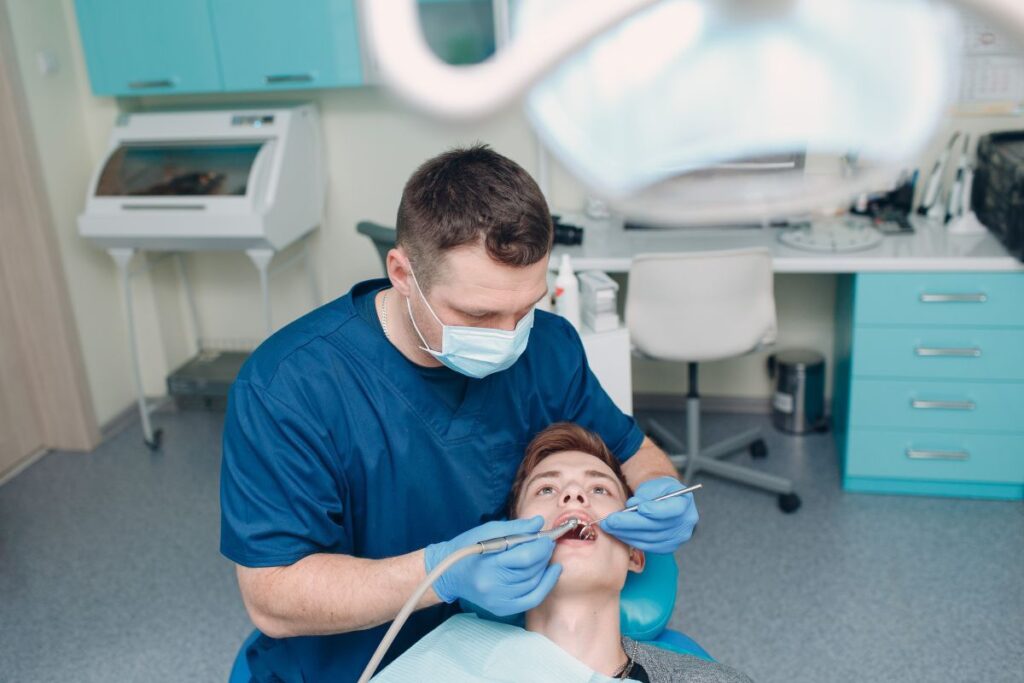
Imagine walking into a dental office without that familiar knot in your stomach. For many, routine cleanings spark unease, turning what should be a simple check-up into a dreaded event. But what if there was a way to ease those nerves and make the experience more comfortable? This post explores how certain techniques can transform your next visit, helping you maintain better oral health without the worry.
Understanding Dental Anxiety
Dental visits often trigger stress for people. Many skip appointments due to fear. This can lead to bigger issues over time. Studies show that anxiety affects a large group. It stops them from getting care.
A quick look at the numbers reveals the scope. Up to 80% of adults feel some level of unease about dentistry. Severe cases impact 16%. These fears stem from past experiences or sounds of tools. Recognizing this helps address it early.
Here’s a table with key stats on dental anxiety:
| Statistic | Percentage | Source Insight |
|---|---|---|
| Adults with some dental anxiety | 30-80% | CareQuest Institute |
| Severe dental phobia | 3-16% | Various studies |
| People avoiding visits due to fear | 15-22% | American Dental Association |
These figures highlight why solutions matter. They show anxiety is common but manageable.
What Is Sedation Dentistry?
This approach uses meds to help patients relax. It ranges from mild to deeper levels. Dentists tailor it to needs. For cleanings, lighter options often suffice.
Nitrous oxide, or laughing gas, is popular. You breathe it in through a mask. It calms quickly and wears off fast. Oral meds come as pills taken before the visit. They induce drowsiness.
Each type suits different situations. Mild fears might need just gas. Stronger phobias could benefit from combined methods. Trained pros monitor everything.
How Sedation Works During Cleanings
Cleanings involve scraping plaque and polishing teeth. Normally, no pain occurs. But anxiety amplifies discomfort. Sedation steps in here.
You arrive and discuss options with the dentist. For gas, they place the mask. Effects start in minutes. You stay awake but relaxed. The cleaning proceeds as usual. Tools feel less intrusive.
Oral pills work similarly. Take them an hour prior. By appointment time, calm sets in. Recovery varies by type. Gas clears quickly; others need a ride home.
This process ensures safety. Vital signs get checked throughout. It turns a tense session into a peaceful one.
Benefits for Anxious Patients
Relaxation tops the list. No more white-knuckle gripping the chair. Procedures feel shorter. You might not recall details, easing future fears.
Better care results too. Relaxed patients allow thorough work. This prevents issues like cavities. Regular visits become routine.
Comfort extends beyond the chair. Less stress means better overall health. It links to lower blood pressure during visits. Many report improved attitudes toward dentistry after trying it.
Addressing Common Concerns
Safety worries arise often. Pros undergo training for this. They assess health first. Side effects like drowsiness pass quickly.
Some fear over-sedation. Levels get controlled precisely. You remain responsive in most cases. Allergic reactions are rare with proper screening.
Recovery concerns matter too. Plan for rest after. Avoid driving if needed. Discuss medical history upfront. This minimizes risks.
Finding a reliable sedation dentist in Hawthorn Woods, IL, can make all the difference in feeling secure.
Who Can Benefit Most?
Those with gag reflexes struggle during cleanings. Sedation dulls this response. Sensitive teeth cause issues too. It reduces sensations.
Past traumas linger for some. This method rebuilds trust. Busy folks appreciate quicker-feeling sessions. Kids sometimes use it, but adults form the main group.
Consult your provider. They evaluate if it fits. Not everyone needs it, but for many, it changes everything.
Preparing for a Sedated Cleaning
Start with a chat. Share fears openly. The team explains options.
Eat light before if using oral meds. Arrange transport. Wear comfy clothes.
Follow post-care tips. Rest and hydrate. Avoid heavy tasks that day.
This prep ensures smooth experience. It builds confidence.
Trending FAQs on Sedation for Dental Cleanings
Here are some frequently asked questions based on common searches. These address key curiosities.
- What is sedation dentistry and how does it help with cleanings?
It uses medication to relax you. For cleanings, it reduces anxiety, making the process feel easier and quicker. - Is sedation safe for routine dental procedures?
Yes, when done by trained professionals. They monitor you closely, and side effects are usually mild and temporary. - What types of sedation are available for dental cleanings?
Options include nitrous oxide (laughing gas), oral sedation. The choice depends on your anxiety level. - Will I be asleep during the cleaning?
No, most types keep you awake but relaxed. You’re aware but not stressed. - How long does the effect last after the procedure?
Nitrous wears off in minutes. Oral sedation might linger for hours, so plan accordingly. - Can anyone get sedation for a cleaning? Most can, but a health check is needed. It’s ideal for those with high anxiety or sensitivities.
These cover popular queries from online searches.
Making the Choice
Weigh your comfort level. If nerves disrupt care, explore this. It opens doors to better health.
Talk to experts. They guide based on experience. Many find it transformative.
If you are searching for a sedation dentistry near you, local options abound with tailored approaches.
Remember, oral health matters. Don’t let fear hold you back. Small steps lead to big smiles.
In conclusion, easing stress during cleanings is possible and worthwhile. It promotes regular visits and lasting wellness. Ready to try? Call (847) 550-5000 to schedule an appointment and start your relaxed journey today.