
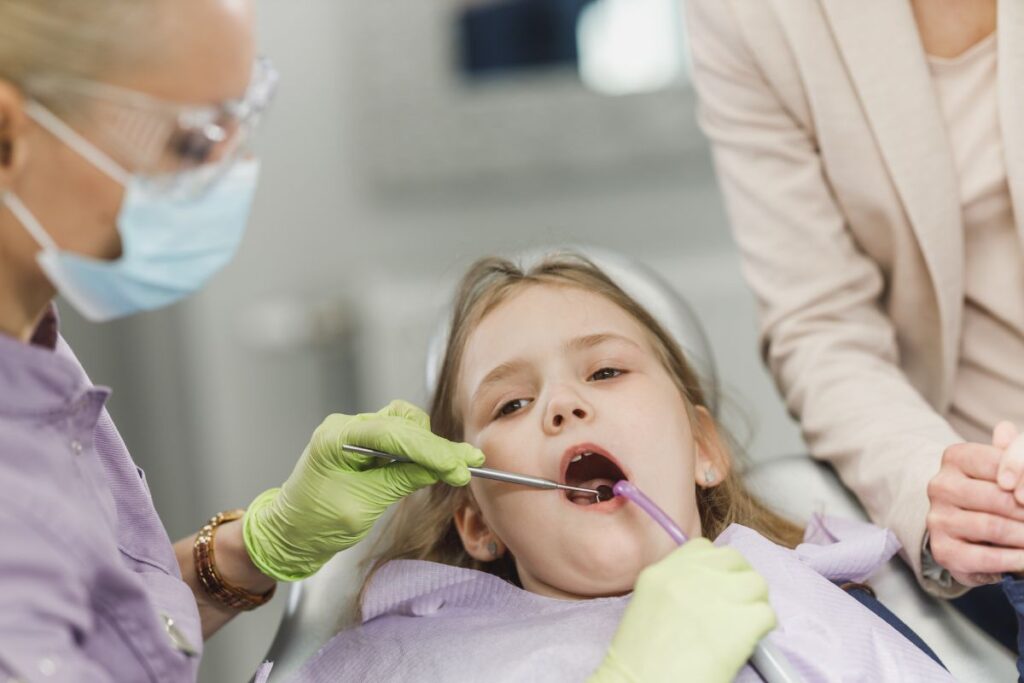
Many parents notice a tiny white spot on their child’s tooth one day, only to find it has become a full cavity weeks later. This speed often catches families off guard. Children’s mouths work differently from adults’, and several natural factors make decay happen quicker in young smiles. Understanding these reasons helps you step in early and protect those precious teeth.
The Unique Structure of Children’s Teeth
Baby teeth have thinner enamel than permanent teeth. This outer layer acts as the first defense against acid attacks. In kids, the enamel is less dense and mineralized, so bacteria break through faster. Once decay starts, it spreads rapidly to the softer dentin underneath.
Grooves and pits on molars trap food particles more easily in small mouths. These tiny spaces are hard for little hands to clean thoroughly. As a result, plaque builds up quickly and creates the perfect environment for cavities.
How Diet Plays a Major Role
Kids love to graze throughout the day. Frequent snacks and sips of juice or milk mean teeth face constant acid attacks. Bacteria in the mouth feed on sugars and starches, producing acids that weaken enamel. Saliva needs time to neutralize these acids and repair teeth, but frequent eating leaves little recovery time.
Sticky foods like fruit snacks or crackers cling to teeth longer. Even healthy options like dried fruit can pose risks if eaten often. Limiting between-meal snacks and choosing water over sweetened drinks makes a big difference.
Daily Hygiene Hurdles for Young Kids
Young children often lack the coordination to brush every surface effectively. They may miss back teeth or rush through the routine. Parents sometimes struggle to supervise every session, especially with busy schedules.
Flossing adds another challenge. Tight contacts between baby teeth hide plaque that brushing alone cannot reach. Without consistent help, harmful bacteria thrive and speed up the decay process.
Bacteria and Family Transmission
Cavity-causing bacteria, such as Streptococcus mutans, spread easily through saliva. Sharing spoons, kissing, or even blowing on hot food can pass these germs from parent to child. Once established in a child’s mouth, these bacteria multiply quickly and produce more acid.
This transmission often happens early, sometimes before the first tooth appears. Early colonization raises the risk of baby tooth decay that advances faster than in adults.
Other Factors That Speed Up Decay
Mouth breathing, common during colds or allergies, reduces saliva flow and leaves teeth drier and more vulnerable. Certain medications or health conditions can also affect saliva quality. Genetics play a part too—some children inherit softer enamel or deeper tooth grooves.
Actionable Ways to Slow Cavity Formation
Start cleaning gums even before teeth erupt. Use a soft cloth or infant toothbrush twice daily. As teeth appear, switch to a rice-grain-sized smear of fluoride toothpaste for children under three. For older kids, use a pea-sized amount.
Encourage brushing for two full minutes twice a day and flossing once daily. Make it fun with timers or songs. Choose tooth-friendly snacks like cheese, crunchy vegetables, or plain yogurt. Serve sweets only at mealtimes when saliva flow is higher.
Regular dental visits catch problems early. Professional cleanings and preventive treatments strengthen teeth against acid. Families seeking expert guidance often benefit from pediatric dentistry in Hawthorn Woods, IL, where care is designed specifically for growing smiles.
What the Numbers Reveal
Here is a quick look at cavity trends from reliable health data:
| Age Group | Key Statistic |
|---|---|
| Children 2–5 years | 23% have caries in primary teeth |
| Children 6–8 years | 52% have had caries in primary teeth |
| Children 6–9 years | 50% have experienced at least one cavity |
| Adults 20–64 years | Nearly 90% have had decay at some point |
These figures show how common the issue is in childhood, yet also highlight that prevention works when started early.
Trending FAQs
Parents often search for clear answers about this topic. Here are some of the most frequently asked questions:
- Why do children get cavities even if they brush every day? Brushing helps, but frequency of sugar exposure, missed spots, and thinner enamel still allow decay to form. Consistent technique, flossing, and diet changes are key.
- Can cavities in baby teeth affect permanent teeth? Yes. Untreated decay can spread infection or cause spacing issues that affect how adult teeth come in. Early treatment protects the developing smile.
- At what age should my child start seeing a dentist? The American Academy of Pediatric Dentistry recommends the first visit by the first birthday or when the first tooth erupts. Early visits build comfort and allow preventive care.
- How often should kids visit the dentist? Every six months for most children. High-risk kids may need more frequent checkups.
- Do dental sealants really help prevent cavities? Yes. Sealants coat the chewing surfaces of back teeth, blocking food and bacteria from settling in grooves. They are quick, painless, and highly effective.
- Are fruit juices okay for my child’s teeth? Limit them. Even natural juices contain sugars that feed bacteria. Water is the best choice between meals.
Connecting with the Right Support
In our community, connecting with our dentist in Hawthorn Woods, IL, can make all the difference in establishing positive dental habits early on. These professionals understand the unique needs of young patients and create experiences that build confidence rather than fear.
Taking these steps today sets your child up for stronger, healthier teeth tomorrow. Small daily choices compound into lifelong benefits. Your child’s bright smile is worth every mindful moment you invest now. Start with one positive change this week and watch the difference grow.