
Many people who smoke and deal with missing teeth ask themselves this exact question. The idea of investing time and effort into a permanent solution feels exciting yet uncertain when tobacco is part of daily life. The reassuring truth is that smokers can often succeed with dental implants. It requires honest assessment, smart preparation, and commitment to better habits. This article breaks down the science, shares practical steps, and offers clear guidance so you can move forward with confidence.
Understanding Dental Implants
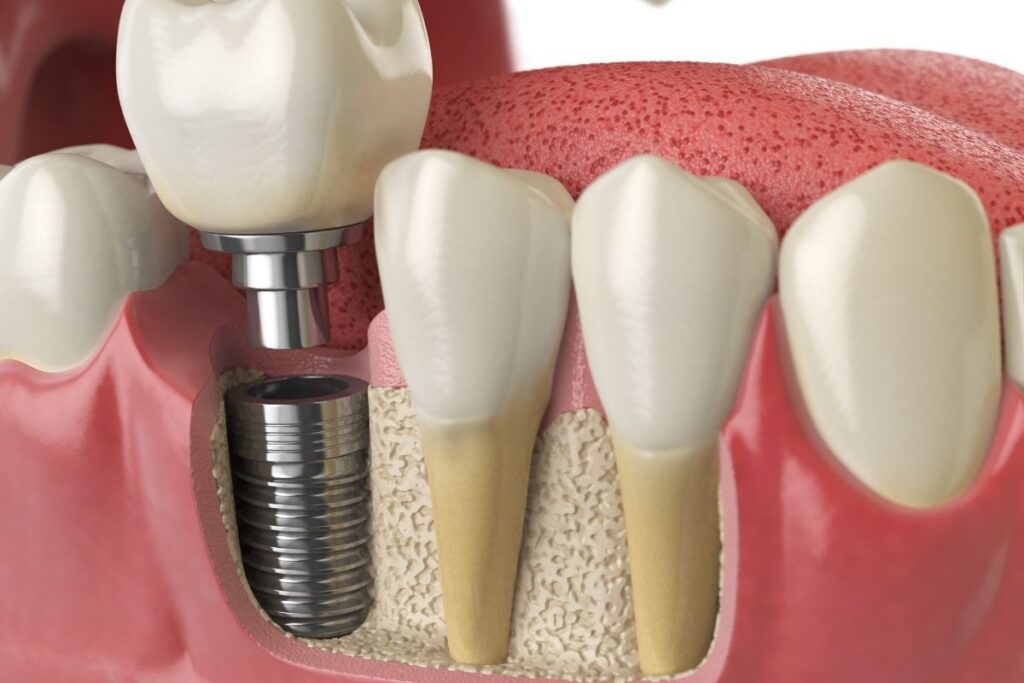
Dental implants replace missing teeth from root to crown. A small titanium post is placed in the jawbone during a straightforward surgical procedure. The bone grows around the post in a natural process called osseointegration, creating a stable foundation. An abutment and custom crown complete the restoration. The result looks, feels, and functions like a real tooth. Implants preserve jawbone, prevent shifting of neighboring teeth, and restore full chewing power. Patients often report improved speech, easier eating, and renewed self-assurance.
How Smoking Influences Oral Healing
Tobacco use affects blood flow and tissue repair in significant ways. Nicotine narrows blood vessels, limiting oxygen and nutrients that reach surgical sites. This slowdown can delay gum closure and bone integration. The immune response weakens, which raises chances of infection or prolonged inflammation. Smokers also face higher risks of gum recession and bone loss over time. These changes make the early healing phase more demanding. Yet many individuals still achieve strong, long-lasting outcomes when they address these factors head-on.
When considering smoking and dental implants, the key lies in understanding these biological hurdles. Reduced circulation directly impacts how well the implant anchors. Persistent exposure to toxins can also increase soft tissue complications around the restoration. Awareness of these effects empowers better decisions and proactive care.
What Research Reveals About Success Rates
Clinical studies provide consistent insights into outcomes. Non-smokers typically enjoy high success. Smokers experience elevated risks, but results vary based on daily habits, overall health, and post-procedure behavior. Here is a summary of typical findings:
| Patient Group | Approximate Success Rate | Key Observation |
|---|---|---|
| Non-Smokers | 95–98% | Reliable bone fusion and low complications |
| Smokers | 80–90% | Up to 2x higher failure risk; better with reduced tobacco use |
These numbers highlight the gap while showing that success remains attainable. Factors like lighter smoking or complete cessation during key periods can narrow the difference dramatically. Long-term data also emphasize the value of excellent oral hygiene and regular professional monitoring.
Key Factors That Affect Outcomes for Smokers
Several elements influence implant performance. Bone density and volume play major roles—smoking can accelerate loss in these areas. Overall health conditions, such as controlled diabetes, matter too. The location of the implant (upper versus lower jaw) sometimes shows varying sensitivity to tobacco effects. Daily cigarette count and duration of the habit correlate with risk levels. Even the timing of tobacco use around surgery dates impacts healing. Patients who cut back or stop show noticeably stronger results in both short- and long-term follow-ups.
Practical Steps to Maximize Your Chances
Start by scheduling a thorough evaluation. Your provider will assess bone health, gum condition, and medical history. Many recommend reducing or eliminating tobacco use at least two to four weeks before surgery and continuing through the initial healing phase. Focus on meticulous oral hygiene—gentle brushing, flossing, and antimicrobial rinses help protect the site. Follow all post-operative instructions closely, including any prescribed medications. Attend every follow-up visit so early issues can be addressed quickly. Some protocols include enhanced surgical techniques or supportive therapies to aid integration. Small, consistent changes compound into significantly better outcomes.
Patients seeking dental implants in Hawthorn Woods, IL, discover that local expertise helps customize plans around lifestyle realities. Experienced teams evaluate individual risks and build supportive strategies that fit real lives.
Trending FAQs About Smokers and Dental Implants
People frequently search for straightforward answers on this topic. Here are some of the most common questions with clear responses:
- Can smokers get dental implants? Yes. Smoking is a risk factor, not an absolute barrier. Many smokers receive implants successfully when they prepare well and maintain strong aftercare.
- How much does smoking raise failure risk? Research shows smokers face roughly twice the failure rate of non-smokers. The exact increase depends on daily consumption and overall health.
- Should I quit smoking before the procedure? Absolutely recommended. Even a short break improves blood flow and healing. Longer cessation yields the best results.
- Is it safe to smoke after implants are placed? Avoid smoking during the critical first weeks and months. Continued use raises chances of peri-implantitis and long-term bone loss.
- What if I can’t quit completely? Cutting back helps. Combine this with superior hygiene and frequent check-ups to support stability.
- Are there extra steps for smokers? Yes—enhanced monitoring, possible bone grafting, and tailored healing protocols can make a meaningful difference.
These questions reflect real concerns. Open conversations with your care team turn uncertainty into a clear path forward.
Talking with your dentist in Hawthorn Woods, IL creates space for honest dialogue and a plan built around your unique needs and goals. They can guide you through every stage with expertise and compassion.
Ultimately, smoking does not have to close the door on dental implants. With knowledge, preparation, and dedication to healthier choices, you can enjoy the stability and beauty of a restored smile. Take that first step today. Your future self—and your confident grin—will thank you.