
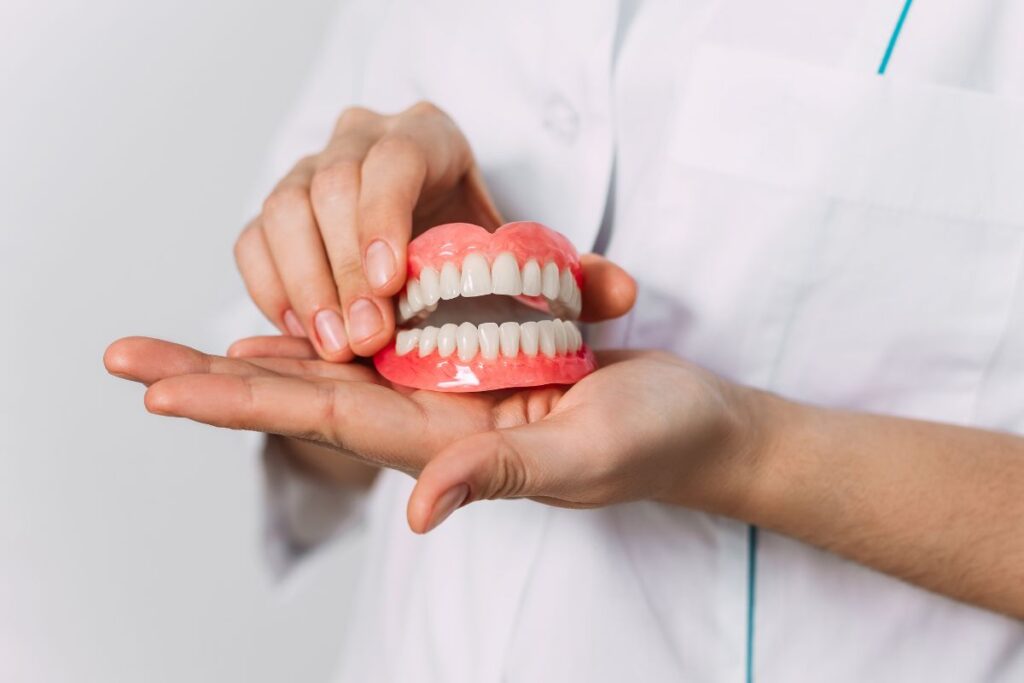
Have you ever wondered why something as simple as a set of dentures might need ongoing attention? Many people assume that once they’re fitted, dentures are a set-it-and-forget-it solution. But the truth is, your mouth is a dynamic environment that changes over time. In this post, we’ll dive into the reasons behind denture relining, how to spot when it’s needed, and practical tips to keep your smile comfortable and functional. Whether you’re new to dentures or have been wearing them for years, understanding this process can make a big difference in your daily life.
Understanding Denture Relining
Denture relining is a straightforward procedure that reshapes the inner surface of your dentures to better match your gums. Over time, natural shifts in your oral structure can cause a poor fit. This adjustment helps restore comfort without needing a full replacement.
Think of it as a tune-up for your dentures. It involves adding a new layer of material to the base. There are two main types: soft and hard relines. Soft ones use flexible materials for temporary relief, often during healing phases. Hard relines, made from durable acrylic, offer a longer-lasting fix.
This process addresses common issues like slippage or irritation. It ensures your dentures stay secure, making eating and speaking easier. Regular check-ups can catch the need early, preventing bigger problems down the line.
Why Relining Is Necessary
Your jawbone and gums don’t stay the same after tooth loss. Bone resorption happens gradually, where the jaw shrinks without teeth roots to stimulate it. This leads to gaps between dentures and tissues.
Gums can also change due to aging, weight fluctuations, or health conditions. Loose dentures might rub, causing sores or infections. Relining fills those gaps, improving fit and reducing risks.
Without it, you could face discomfort or even nutritional issues from avoiding certain foods. It maintains oral health by distributing pressure evenly. This prevents uneven wear on remaining tissues.
If you’re looking for dentures in Hawthorn Woods, IL, knowing about relining helps you stay proactive. Local dental practices emphasize this as part of routine care, drawing from experiences with patients who notice improved confidence after adjustments.
Signs You Need a Reline
Watch for telltale signs that signal it’s time for action. If your dentures feel loose or rock when you chew, that’s a red flag. Persistent sore spots or red areas on your gums indicate friction.
Difficulty speaking clearly or frequent slipping during conversations is another clue. You might notice increased saliva production as your mouth tries to compensate. Food getting trapped underneath can lead to bad breath or decay risks.
Pain while eating hard foods or a change in your bite alignment shouldn’t be ignored. These symptoms often build slowly, so regular self-checks help. Catching them early avoids complications.
How Often Should You Reline Your Dentures?
Frequency varies based on individual factors like age and oral health. On average, plan for a reline every one to three years. Soft relines might need refreshing sooner, around one to two years.
Hard relines can last up to four years or more with proper care. New denture wearers may require more frequent visits in the first year as tissues settle. Lifestyle plays a role too—smokers or those with dry mouth might need checks more often.
Consult your dentist for personalized advice. They assess fit during routine exams. Sticking to this schedule keeps dentures effective longer.
Here’s a quick overview in table form for clarity:
| Relining Type | Typical Duration | Best For |
|---|---|---|
| Soft Relining | 1-2 years | Temporary comfort during healing |
| Hard Relining | 2-4 years | Long-term stability and fit |
| Lab Relining | Varies | Precise adjustments for complex cases |
This table highlights key differences, helping you discuss options knowledgeably.
The Relining Process Explained
The procedure is usually quick and painless. It starts with an exam to confirm the need. Impressions of your mouth capture current shapes.
For chairside relines, material is applied directly and sets in minutes. Lab relines involve sending dentures out for detailed work, taking a day or two.
You’ll test the fit before leaving. Minor tweaks ensure perfection. Aftercare includes gentle cleaning and avoiding hot foods initially.
Most people return to normal activities right away. This efficiency makes it accessible for busy schedules.
Trending FAQs on Denture Relining
Based on what people frequently search on Google, here are some common questions with clear answers:
- How long does it take to reline dentures? Most relines happen in one visit, often same-day for chairside options. Lab-processed ones might take 1-2 days.
- What is the difference between a soft and hard reline? Soft relines use cushiony material for short-term relief, ideal for sore gums. Hard relines provide a rigid, durable base for everyday use.
- Can I reline my dentures at home? It’s not recommended. Professional tools and expertise ensure safety and proper fit. DIY kits risk uneven results or damage.
- How do I know if my dentures need relining? Look for looseness, discomfort, or sores. If they slip while eating or talking, schedule a check-up.
- What happens if I don’t reline my dentures? Untreated poor fit can lead to mouth ulcers, bone loss acceleration, or chewing difficulties, affecting overall health.
These address top concerns, helping you feel more informed.
Benefits of Timely Relining
Getting ahead of issues boosts your quality of life. A well-fitted set reduces jaw strain and headaches. It enhances nutrition by allowing varied diets.
Confidence soars when you smile without worry. Relining extends denture lifespan, saving hassle in the long run. It’s a small step with big rewards.
Patients often report better speech clarity post-reline. This ties into daily interactions, making social life smoother.
Maintaining Your Dentures Between Relines
Daily habits matter. Clean them gently with non-abrasive brushes. Soak overnight in approved solutions to keep them fresh.
Handle with care to avoid drops or bends. Store in water when not worn to prevent warping. Avoid harsh chemicals.
Regular dental visits catch subtle changes. This routine supports longevity and comfort.
If you are searching for a dentist near you, consider one who specializes in prosthetic care for tailored guidance.
Wrapping Up Your Denture Journey
Keeping dentures in top shape is about more than looks—it’s key to comfort and health. By staying vigilant and scheduling relines as needed, you ensure a seamless experience. Remember, small adjustments lead to lasting smiles.
Ready to check your fit? Call (847) 550-5000 to schedule an appointment today. Your comfort is worth it.