
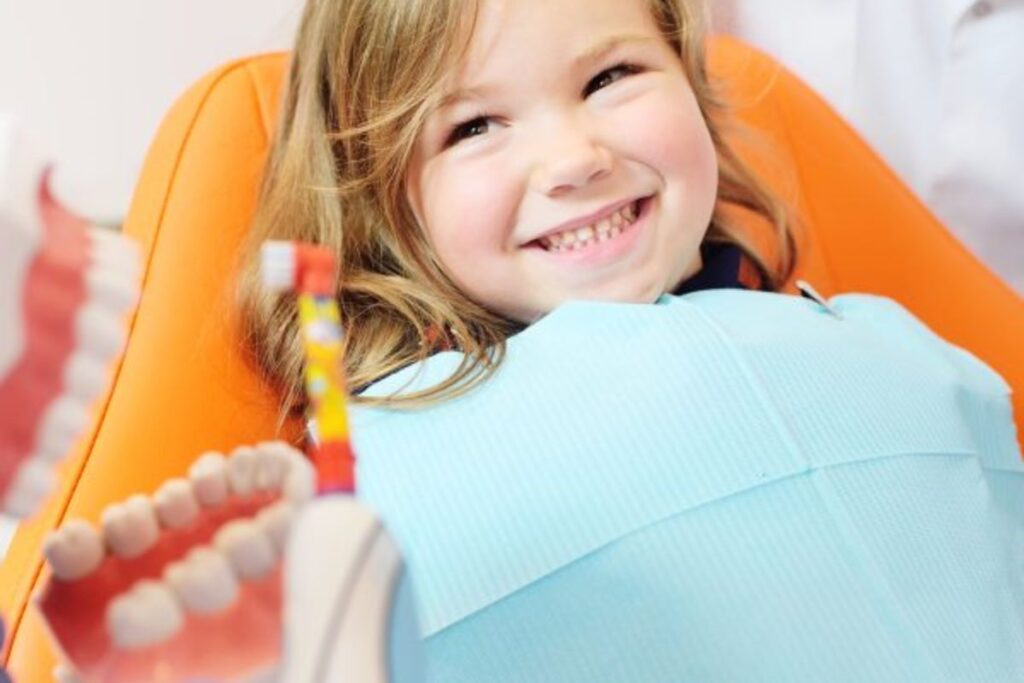
Have you ever wondered why dentists keep harping on flossing, especially for little ones? It’s a question many parents ask as they juggle busy routines and try to instill good habits in their children. The truth is, flossing plays a key role in keeping those tiny smiles bright and healthy, but it’s often overlooked amid the chaos of daily life. Let’s dive into why this simple step might be more important than you think, and how it can make a real difference for your family’s oral care.
Understanding the Basics of Kids’ Oral Health
Children’s teeth are vulnerable right from the start. Baby teeth, or primary teeth, begin erupting around six months and set the foundation for adult teeth. These early teeth help with speech, chewing, and holding space for permanent ones. Poor care can lead to issues like decay, which affects eating and confidence.
Brushing removes surface plaque, but it misses tight spots between teeth. That’s where flossing comes in. It clears out food particles and bacteria that brushing can’t reach. Without it, plaque builds up, hardening into tartar and inviting cavities or gum problems.
Experts from organizations like the American Dental Association stress that consistent oral habits prevent long-term issues. In areas like Hawthorn Woods, where families enjoy outdoor activities and community events, maintaining these routines ensures kids can smile freely without discomfort.
When to Start Flossing Your Child’s Teeth
Timing matters when introducing flossing. Begin as soon as two teeth touch, usually between ages two and six. At this stage, parents should handle it to ensure it’s done right.
Younger kids lack the dexterity for proper flossing. Help them until they’re about eight to ten years old. Make it a fun part of bedtime routines to build positive associations.
Local pediatric dentistry in Hawthorn Woods, IL, often advises starting early to align with regular check-ups. This approach mirrors recommendations from nearby practices that focus on preventive care in stress-free settings.
Benefits of Flossing for Children
Flossing offers multiple perks beyond clean teeth. It reduces cavity risk by removing debris that breeds bacteria. Healthier gums mean less inflammation and bleeding.
It also fights bad breath, a common kid complaint after snacks. Regular flossing supports overall health, as poor oral hygiene links to issues like heart disease later in life.
Kids who floss early develop lifelong habits. This leads to fewer dental visits for problems and more for routine cleanings. In family-oriented communities, this means more time for play and less worry about toothaches.
| Statistic | Detail | Source |
|---|---|---|
| Cavity Prevalence | 23% of children ages 2-5 have cavities in primary teeth. | CDC |
| Decay Before Age 5 | Over 50% of children experience tooth decay before age five. | American Academy of Pediatric Dentistry |
| Flossing Usage in Kids | Only 18.4% of children use dental floss regularly. | Scientific Study on Dental Habits |
| Uncleaned Surface Without Flossing | Skipping flossing leaves about 40% of tooth surfaces uncleaned. | Pediatric Dentistry Resources |
| Parental Report on Issues | One-third of parents say their child has experienced dental problems; only one-quarter floss regularly. | University of Michigan Poll |
How to Floss Kids’ Teeth Properly
Start with about 18 inches of floss. Wrap most around your middle fingers, leaving an inch or two to work with.
Gently slide it between teeth using a back-and-forth motion. Curve it into a C-shape against one tooth and rub up and down.
Repeat for each side, including behind the last teeth. Use fresh sections of floss as you go to avoid spreading bacteria.
For toddlers, sit them on your lap facing away. Older kids can stand in front of a mirror. Flavored floss or picks make it appealing.
Praise their efforts to encourage consistency. If gums bleed at first, it’s often due to buildup—regularity will improve this.
Common Challenges and Solutions
Many parents face resistance from kids who find flossing boring or uncomfortable. Turn it into a game with songs or timers.
If dexterity is an issue, try floss holders or water flossers for easier handling. These tools are kid-friendly and effective.
Busy schedules can derail routines. Set reminders or link flossing to storytime for seamless integration.
Address fears by explaining benefits simply. Show them pictures of healthy vs. unhealthy teeth to illustrate the point.
Consistency pays off. Over time, kids adapt and even remind you when it’s floss time.
Trending FAQs on Flossing for Kids
Here are some frequently asked questions based on what people often search on Google about this topic:
- When should kids start flossing? Start when two teeth touch, typically ages 2-3. Parents should floss for them initially.
- How often do kids need to floss? Once a day is ideal, preferably before bedtime to remove daily buildup.
- Why is flossing important if kids brush regularly? Brushing misses 40% of tooth surfaces; flossing clears between teeth to prevent cavities and gum issues.
- At what age can kids floss on their own? Most gain the skills around 8-10 years, but supervise until they’re proficient.
- What if my child’s gums bleed while flossing? It’s common at first due to plaque. Consistent flossing strengthens gums and reduces bleeding.
- Are floss picks better for kids? Yes, they’re easier to hold and come in fun designs, making the process engaging.
These answers draw from reliable sources like the American Dental Association and pediatric health guidelines.
Flossing isn’t just an extra step—it’s essential for comprehensive care. By addressing these basics, parents can empower their children with tools for a lifetime of healthy smiles.
If you are searching for a pediatric dentist near you, consider one that specializes in making visits enjoyable and educational. They can provide personalized tips tailored to your child’s needs.
Incorporate flossing into daily life gradually. Track progress with charts or rewards to keep motivation high.
As we wrap up, remember that small habits like flossing build big results. Encourage your little ones to embrace it early. To schedule an appointment and get expert guidance, call (847) 550-5000 today. Your child’s bright smile is worth it.