
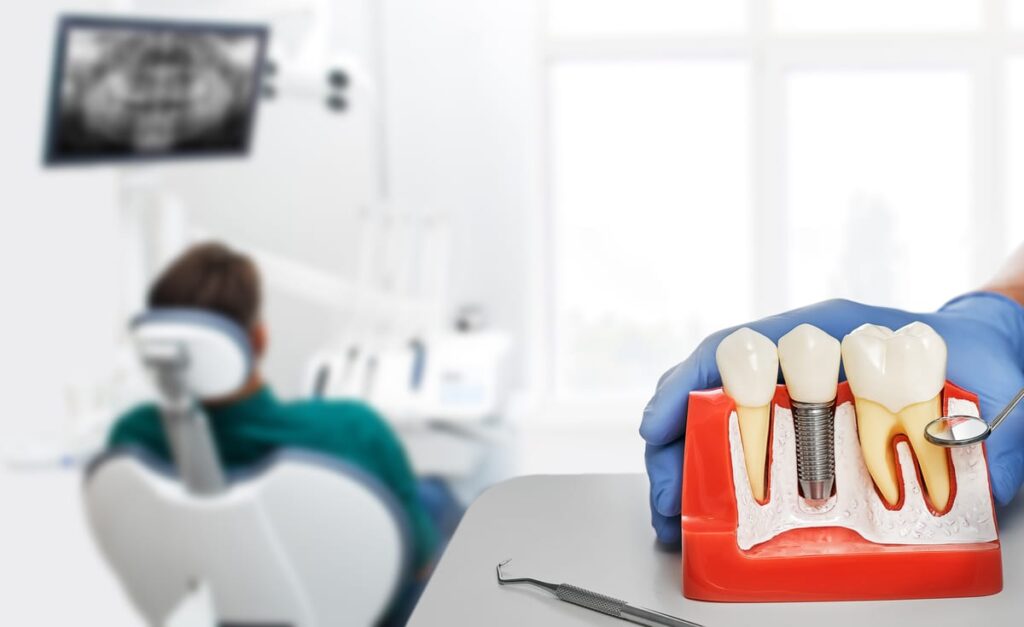
If you’ve been told you need a filling, you might feel a little unsure about what comes next. Understanding your first filling appointment — what to expect and how to prepare in Hawthorn Woods — can make the whole experience much calmer. At Hawthorn Woods Dental, Dr. Jeffrey Copeland and our team are here to walk you through every step. We want your visit to feel straightforward, comfortable, and stress-free from the moment you arrive.
Dental fillings are one of the most common procedures in general dentistry. They restore teeth damaged by decay and prevent further problems from developing. Whether this is your very first dental filling or your first visit to our practice, knowing what happens ahead of time is genuinely helpful. This guide covers everything you need to prepare with confidence.
What Happens Before Your Filling Appointment in Hawthorn Woods
Preparation actually starts before you walk through our door. As a new patient at Hawthorn Woods Dental, you’ll complete a short health history form before your appointment. This helps Dr. Copeland understand your overall health, any medications you take, and any dental concerns you may have. Arriving a few minutes early gives you time to complete this without feeling rushed.
You should eat normally before your appointment unless Dr. Copeland advises otherwise. After the procedure, local anesthetic may leave your mouth numb for a couple of hours. Eating beforehand means you won’t be hungry while waiting for the numbness to wear off. A light, easy-to-chew meal is a smart choice.
Here are a few simple steps to help you prepare:
- Bring a list of any current medications or supplements you take
- Arrive five to ten minutes early to complete new patient paperwork
- Arrange transportation if you prefer not to drive after anesthesia
- Ask a trusted friend or family member to accompany you if you feel anxious
- Write down any questions you want to ask Dr. Copeland beforehand
What to Expect During Your First Filling Appointment
When you arrive, our team will warmly welcome you and help you settle in. Dr. Copeland will review your dental X-rays and examine the affected tooth before anything begins. He will explain the size and location of the cavity and discuss the filling material best suited to your tooth. We encourage you to ask questions at any point during this conversation.
Once you are comfortable, Dr. Copeland will apply a topical numbing gel to your gum tissue. A small injection of local anesthetic follows shortly after. Most patients find this step far less uncomfortable than they expected. The anesthetic takes full effect within a few minutes.
After your tooth is numb, Dr. Copeland will gently remove the decayed portion using precise dental instruments. The prepared area is then cleaned thoroughly before the filling material is placed. Tooth-colored composite resin is a popular choice because it blends naturally with your existing tooth structure. The filling is shaped, hardened with a special curing light, and polished to a smooth finish.
The entire appointment typically takes between 45 minutes and one hour. Here is a quick overview of the process:
- Examination and X-ray review with Dr. Copeland
- Application of topical numbing gel
- Local anesthetic injection
- Removal of decayed tooth material
- Placement and shaping of the filling
- Curing and polishing the restoration
How to Care for Your Tooth After a Filling
After your appointment, your mouth may feel numb for one to three hours. Avoid chewing on the treated side of your mouth during this time. Be careful not to bite your cheek, lip, or tongue accidentally while the numbness is still present. Warm drinks and soft foods are ideal choices for the rest of the day.
Some mild sensitivity to temperature or pressure is completely normal after a filling. This typically fades within one to two weeks as your tooth adjusts. Over-the-counter pain relievers can help manage any minor discomfort. If sensitivity persists beyond two weeks, contact our office so Dr. Copeland can take a closer look.
Good daily habits protect your new filling and prevent future decay. Brushing twice daily with fluoride toothpaste and flossing once per day are essential. Regular teeth cleaning appointments at Hawthorn Woods Dental help our team monitor your fillings and catch any early concerns. Staying consistent with preventive care is the best investment you can make in your smile.
When a Filling May Not Be Enough — What Comes Next
In some cases, decay may be more extensive than a standard filling can address. When a tooth has significant structural damage, Dr. Copeland may recommend a Crowns Caps Hawthorn Woods restoration instead. A crown covers and protects the entire visible surface of a damaged tooth. This option restores both the function and appearance of your smile effectively.
If you have questions about the appearance of your smile beyond fillings, our practice also offers Cosmetic Dentistry Hawthorn Woods services. From whitening to veneers, these options help patients achieve the smile they’ve always wanted. Dr. Copeland takes a thorough, personalized approach to every smile. He will always explain your options clearly before recommending any treatment.
It is important to understand that not every dark spot on a tooth requires immediate intervention. Dr. Copeland carefully evaluates each situation individually. Early-stage enamel concerns are sometimes managed with fluoride treatments and improved home care. Your treatment plan will always reflect what is genuinely necessary for your long-term oral health.
Why Hawthorn Woods Patients Trust Dr. Jeffrey Copeland
Choosing the right dental practice for your first filling matters. Dr. Jeffrey Copeland has built a reputation in Hawthorn Woods, IL for combining clinical skill with genuine patient care. He takes time to listen to concerns, explain procedures clearly, and ensure every patient feels at ease. Our team shares this commitment to making every visit a positive one.
We use modern technology and proven techniques to deliver comfortable, precise dental care. Our office environment is calm, welcoming, and designed with patients in mind. Whether you are anxious about dental visits or simply curious about what to expect, we are here for you. Hawthorn Woods Dental is proud to serve families throughout the Hawthorn Woods community.
Your oral health is closely connected to your overall well-being. Treating cavities promptly with fillings prevents more complex problems from developing over time. Delaying treatment almost always leads to greater discomfort and more involved procedures down the road. Scheduling early is always the better choice.
If you are ready to take that first step, our team makes it easy to get started. Book Now to schedule your appointment with our team.
Frequently Asked Questions
Does getting a dental filling hurt?
Most patients experience very little discomfort during a filling. Dr. Copeland uses a topical numbing gel followed by a local anesthetic injection to ensure the area is fully numb before treatment begins. You may feel slight pressure or vibration, but pain is generally minimal. Any soreness afterward is usually mild and short-lived.
How long does a filling appointment take at Hawthorn Woods Dental?
A standard filling appointment at Hawthorn Woods Dental typically takes between 45 minutes and one hour. The exact time depends on the size and location of the cavity being treated. Dr. Copeland works efficiently while ensuring every step is done with precision and care. New patients may want to allow a little extra time for initial paperwork.
How do I know if I need a filling or something more like a crown?
Dr. Copeland will assess your tooth using X-rays and a clinical examination during your appointment. Small to moderate cavities are typically treated with a filling. If the decay is extensive or the tooth structure is significantly weakened, a dental crown may be the more appropriate solution. He will always explain your options before recommending a course of treatment.
Can I eat before my filling appointment?
Yes, you can and should eat a normal meal before your filling appointment. Local anesthetic will temporarily numb part of your mouth, making eating uncomfortable for a few hours afterward. Having a light meal beforehand ensures you won’t feel hungry during that recovery window. Avoid very hard or sticky foods immediately after your procedure.
How long do tooth-colored composite fillings last?
Composite resin fillings typically last between seven and ten years with proper care. Their longevity depends on the size of the filling, the location of the tooth, and your daily oral hygiene habits. Regular dental check-ups allow Dr. Copeland to monitor the condition of your fillings over time. Good brushing and flossing habits significantly extend the life of any dental restoration.