
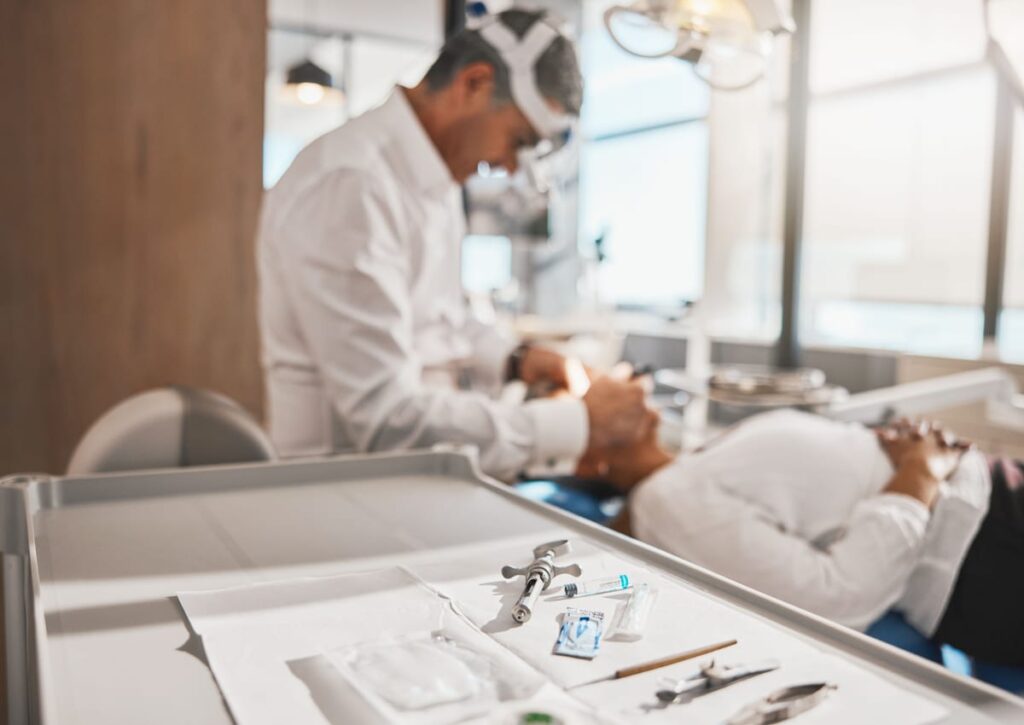
Have you ever wondered what your hygienist is actually doing during your cleaning appointment? Understanding what your hygienist actually sees during a professional cleaning in Hawthorn Woods can ease anxiety and help you appreciate every step. At Hawthorn Woods Dental, Dr. Jeffrey Copeland and our caring team believe informed patients make healthier decisions. This guide walks you through the entire process — tool by tool, step by step.
The First Look: What Your Hygienist Checks Before Touching a Single Tooth
Before any instrument comes near your mouth, your hygienist begins with a visual assessment. They examine your lips, gums, cheeks, and tongue for anything unusual. This quick scan can reveal early signs of gum disease, oral cancer, or other concerns.
Your hygienist also reviews your dental history and any updates since your last visit. They note changes in medications, health conditions, or symptoms you may have mentioned. This context shapes everything they do during the appointment.
Next, they check your bite and jaw alignment. They look for signs of teeth grinding, also called bruxism. These early observations guide the entire cleaning and help them flag issues for Dr. Copeland to review.
Scaling and Tartar Removal: The Heart of What Your Hygienist Sees in Hawthorn Woods
Once the visual exam is complete, your hygienist moves into scaling. This is the process of removing plaque and tartar from your teeth. Plaque is a soft, sticky film of bacteria. Tartar — also called calculus — is hardened plaque that only professional tools can remove.
Your hygienist uses a scaler, which is a small metal instrument with a curved tip. They guide it carefully along the gumline and between teeth. You may hear scraping sounds, but the process is thorough and controlled.
Many practices, including ours, also use ultrasonic scalers. These devices vibrate at high frequency to break up tartar quickly. They also spray a fine mist of water to rinse debris away. The combination of hand scaling and ultrasonic tools gives your teeth a deep, precise clean.
- Plaque buildup between teeth is a leading cause of cavities
- Tartar below the gumline contributes to gum disease progression
- Regular scaling every six months prevents serious buildup
- Ultrasonic scalers are gentler and faster than older tools alone
Probing and Pocket Depth: Reading the Health of Your Gums
One of the most important — and often misunderstood — parts of your cleaning is gum probing. Your hygienist uses a thin, blunt instrument called a periodontal probe. They gently insert it into the space between your tooth and gum, called the sulcus or pocket.
They measure pocket depth in millimeters at multiple points around each tooth. Healthy pockets measure between one and three millimeters. Readings of four millimeters or more may indicate gum inflammation or early periodontal disease.
Your hygienist records these numbers and compares them to previous visits. Trends over time reveal whether your gum health is improving, stable, or declining. This data is one of the most valuable things captured during your appointment.
Bleeding during probing is also noted. Some bleeding is normal if you have mild inflammation. Consistent or excessive bleeding is a sign that your gums need more attention.
Polishing, Flossing, and the Final Fluoride Step
After scaling, your hygienist polishes your teeth using a rotating rubber cup and gritty toothpaste called prophy paste. This removes surface stains and leaves your enamel smooth. Smooth enamel is actually harder for plaque to stick to, which helps protect you between visits.
Professional flossing comes next. Your hygienist slides floss between every tooth to clear any remaining debris. They also check for tight contacts, which can trap food and bacteria. This step shows them things that even scaling can miss.
Many appointments conclude with a fluoride treatment. Fluoride strengthens enamel and helps prevent decay between visits. It comes in a gel, foam, or varnish applied directly to your teeth. The whole process takes just a minute or two but offers lasting protection.
- Prophy paste polishing removes surface stains without damaging enamel
- Professional flossing reaches areas your home routine often misses
- Fluoride varnish bonds to enamel and releases minerals over time
- These final steps complete a full-mouth protective treatment
What Happens When the Hygienist Flags a Concern
Sometimes your hygienist spots something that needs Dr. Copeland’s attention. They may see a crack in a tooth, a suspicious spot on the gums, or a cavity forming between teeth. They document these findings and bring them to the doctor for evaluation.
Dr. Copeland then reviews X-rays alongside the hygienist’s notes. Together, they determine the best course of action. This might mean monitoring a small area or recommending treatment such as a filling or crown.
If a crown is needed, our team offers Crowns Caps Hawthorn Woods to restore damaged or weakened teeth. Crowns protect teeth from further breakdown and restore full function. Catching issues early at a routine cleaning makes treatment simpler and less involved.
For patients interested in improving the look of their smile, our hygienist’s findings can also open a conversation about options. We offer Cosmetic Dentistry Hawthorn Woods services that complement a healthy, clean smile. A thorough cleaning is often the first step in any smile improvement journey.
Why Regular Cleanings Matter More Than You Think
A professional cleaning does far more than make your teeth feel smooth. It gives your hygienist a complete, current picture of your oral health. They track changes over time and catch problems before they become painful or expensive.
Skipping cleanings allows tartar to accumulate in places your toothbrush simply cannot reach. Over time, this leads to gum disease, bone loss, and even tooth loss. Prevention is always easier than treatment.
Most adults benefit from a cleaning every six months. Some patients with gum disease or higher risk factors need visits every three to four months. Your hygienist and Dr. Copeland will recommend the right schedule for your specific needs.
Hawthorn Woods Dental is here to make every appointment comfortable, thorough, and educational. Our team takes time to explain what they find and what it means for your health. We want you to leave every visit feeling confident and cared for. Book Now to schedule your appointment with our team.
Frequently Asked Questions
How long does a professional dental cleaning take?
Most routine cleanings take between 45 and 60 minutes. If you have significant tartar buildup or need X-rays, the appointment may run slightly longer. Your hygienist works efficiently while being thorough at every step.
Is it normal for my gums to bleed during a cleaning?
Mild bleeding during scaling or probing can occur, especially if your gums are inflamed. It often improves with consistent brushing and flossing at home. If bleeding is persistent, your hygienist will discuss next steps with Dr. Copeland.
What is the difference between plaque and tartar?
Plaque is a soft, sticky film of bacteria that forms on teeth daily. When plaque is not removed, it hardens into tartar — also called calculus. Tartar cannot be removed by brushing alone and requires professional scaling tools.
How often should I get a professional cleaning?
Most patients should have a professional cleaning every six months. Those with gum disease, dry mouth, or other risk factors may need more frequent visits. Dr. Copeland and your hygienist will help you determine the right schedule.
Can a cleaning help improve the appearance of my smile?
Yes, professional polishing removes surface stains caused by coffee, tea, and other foods. Your teeth will look brighter and feel smoother after your visit. For more significant cosmetic goals, our team can discuss additional options during your appointment.