
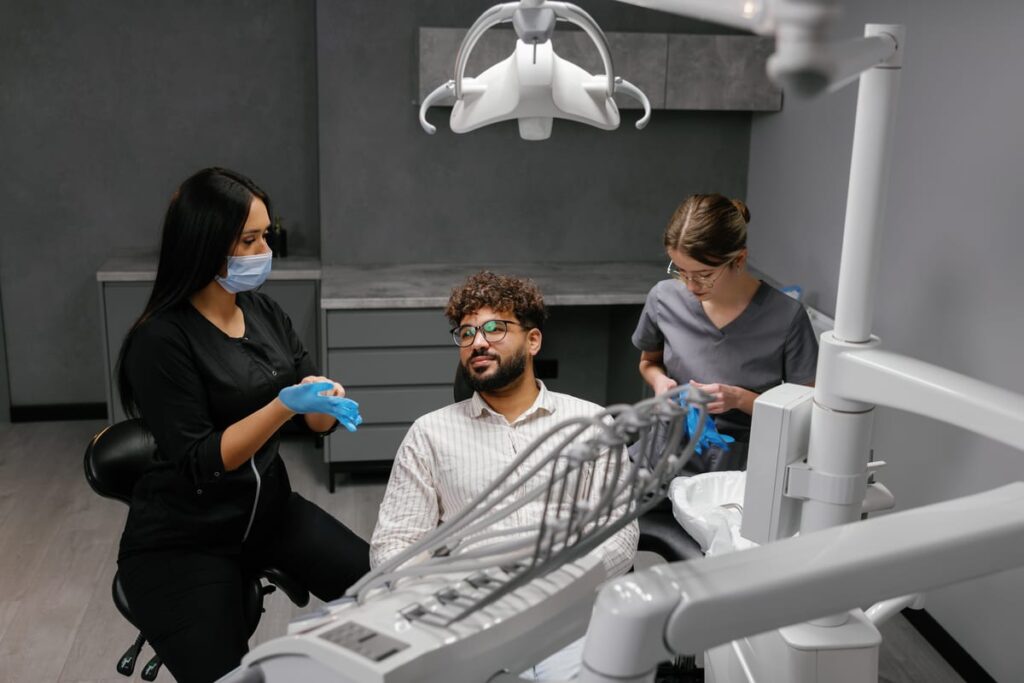
Many patients feel uncertain before a dental visit. They are not sure what to expect, or why certain steps are even necessary. Understanding what actually happens during your preventive dental appointment in Hawthorn Woods can ease that anxiety. At Hawthorn Woods Dental, Dr. Jeffrey Copeland and his team believe informed patients make healthier choices. This article walks you through each part of a preventive visit — from the moment you sit in the chair to the moment you leave with a cleaner, healthier smile.
Why Preventive Dental Appointments in Hawthorn Woods Matter
Preventive dentistry is the foundation of lifelong oral health. Catching small problems early saves time, money, and discomfort down the road. A routine visit is not just about cleaning your teeth. It is a comprehensive health check that covers your gums, jaw, soft tissues, and more.
Many serious conditions — including gum disease and even oral cancer — have no obvious symptoms in their early stages. Regular preventive appointments give Dr. Copeland the opportunity to identify these issues before they escalate. Hawthorn Woods residents who visit consistently tend to need far fewer complex treatments over time.
Here are the core benefits of staying consistent with preventive care:
- Early detection of cavities, gum disease, and oral cancer
- Removal of plaque and tartar that brushing cannot reach
- Personalized guidance for your at-home oral hygiene routine
- Reduced likelihood of needing emergency dental treatment
- A stronger, longer-lasting smile as you age
Step One: Your Comprehensive Dental Exam
Every preventive appointment at Hawthorn Woods Dental begins with a thorough examination. Dr. Copeland carefully inspects each tooth for signs of decay, damage, or wear. He also examines your bite to identify any alignment concerns that could cause future problems.
The exam includes a detailed gum assessment. Dr. Copeland measures pocket depths around each tooth using a small dental probe. Shallow, healthy pockets indicate strong gum tissue. Deeper pockets may signal the early stages of gum disease, which requires prompt attention.
Your soft tissues also receive careful attention during this stage. Dr. Copeland checks your tongue, cheeks, palate, and throat for any unusual changes. This step is a critical part of oral cancer screening, which we will cover in more detail below.
Step Two: Dental X-Rays and What They Reveal
X-rays allow Dr. Copeland to see what the naked eye cannot. They reveal decay forming between teeth, bone loss beneath the gumline, and issues developing around tooth roots. Not every visit requires a full set of X-rays. The frequency depends on your individual risk factors and dental history.
Modern digital X-rays at Hawthorn Woods Dental use significantly less radiation than older film-based systems. They produce instant, high-resolution images that Dr. Copeland can review with you in real time. This transparency helps you understand exactly what is happening in your mouth.
X-rays are especially valuable for detecting problems that cause no pain or visible symptoms yet. Treating these issues early is far simpler than addressing them after they have progressed significantly.
Step Three: Professional Teeth Cleaning and Polishing
After the exam and X-rays, your dental hygienist performs a professional cleaning — also called a prophylaxis. This process removes plaque and tartar buildup from all surfaces of your teeth. Even the most diligent brusher and flosser cannot remove hardened tartar at home.
The hygienist uses specialized instruments to scale away deposits from above and just below the gumline. This process may feel slightly uncomfortable if significant buildup is present, but it is generally well-tolerated. Patients who visit regularly often find their cleanings quicker and more comfortable each time.
Once scaling is complete, the hygienist polishes your teeth using a gritty paste and a rotating brush. This step removes surface stains and leaves your teeth feeling smooth and clean. Smooth tooth surfaces are also harder for bacteria and plaque to cling to.
What a professional cleaning addresses:
- Hardened tartar deposits that brushing cannot remove
- Plaque buildup along the gumline and between teeth
- Surface stains from coffee, tea, or food
- Bacterial buildup that contributes to bad breath
- Early signs of gum inflammation before it worsens
Step Four: Oral Cancer Screening and Fluoride Treatment
Oral cancer screening is a routine part of every preventive visit at Hawthorn Woods Dental. Dr. Copeland visually and physically examines all soft tissue areas in and around your mouth. He looks for unusual patches, lumps, sores, or changes in texture or color. Early detection dramatically improves treatment outcomes for oral cancer.
Many patients do not realize this screening is happening during their visit. It takes only a few minutes and requires no special equipment or preparation on your part. It is simply built into Dr. Copeland’s comprehensive exam process.
Fluoride treatment is often the final step of a preventive appointment, especially for younger patients or those with a higher risk of cavities. A concentrated fluoride gel or varnish is applied directly to your teeth. Fluoride strengthens tooth enamel and helps resist acid attacks from bacteria and sugars.
After fluoride application, you will be asked to avoid eating or drinking for about 30 minutes. This allows the fluoride to fully absorb into the enamel. It is a simple step that provides meaningful protection between appointments.
Personalized Recommendations From Dr. Copeland
Before you leave, Dr. Copeland takes time to review his findings with you. He explains anything he observed during the exam in clear, plain language. If treatment is needed — such as a filling or crown — he outlines your options and answers your questions without pressure.
He also provides personalized guidance for your daily oral care routine. This might include brushing technique tips, flossing recommendations, or advice on specific products. Patients with alignment concerns may hear about Cosmetic Dentistry Hawthorn Woods options that can improve both appearance and oral health.
Patients who feel anxious about dental visits can also discuss comfort options with Dr. Copeland. Sedation Dentistry Hawthorn Woods services are available to help nervous patients feel calm and relaxed during any procedure. No one should avoid necessary dental care because of fear.
Your Next Step Toward Better Oral Health
A preventive dental appointment is one of the most valuable investments you can make in your overall health. In just about an hour, Dr. Copeland and his team at Hawthorn Woods Dental can assess, clean, and protect your smile. Each step — from the exam to the fluoride treatment — serves a specific purpose in keeping your mouth healthy for years to come. Hawthorn Woods patients who stay consistent with their preventive visits enjoy stronger teeth and fewer dental concerns over time. Book Now to schedule your appointment with our team.
Frequently Asked Questions
How long does a preventive dental appointment typically take?
Most preventive appointments at Hawthorn Woods Dental last between 60 and 90 minutes. The exact length depends on whether X-rays are taken and how much plaque or tartar has built up since your last visit. Patients who come in regularly often have shorter appointments over time.
How often should I schedule a preventive dental visit?
Most adults and children benefit from visiting the dentist every six months. However, Dr. Copeland may recommend more frequent visits based on your individual oral health needs. Patients with gum disease or a higher cavity risk may be seen every three to four months.
Is a dental cleaning painful?
Professional cleanings are generally comfortable for most patients. Some sensitivity may occur around the gumline, especially if tartar buildup is significant or gum inflammation is present. Regular visits help minimize discomfort because there is less buildup to remove each time.
Do children need the same preventive appointment steps as adults?
Children receive the same core elements — exam, cleaning, and screening — but the approach is tailored to their age and development. Fluoride treatment and dental sealants are especially important for younger patients. Dr. Copeland adjusts his exam to address the unique needs of growing teeth and jaws.
What should I do between preventive appointments to maintain my oral health?
Brush twice daily with fluoride toothpaste and floss at least once per day. Limit sugary snacks and acidic beverages, and drink plenty of water. If you play contact sports, ask Dr. Copeland about a custom sports mouthguard to protect your teeth between visits.