
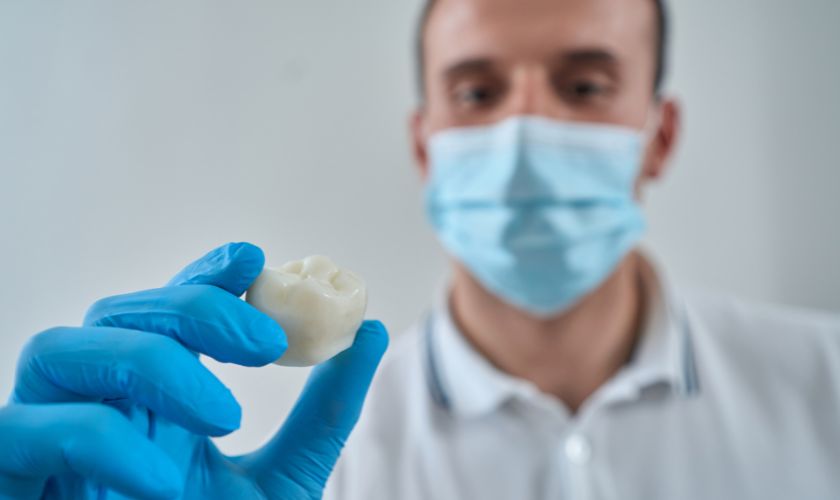
Dental technology has come a long way, and one of the innovations that have transformed restorative dentistry is air abrasion. Gone are the days of noisy drills and discomfort during dental procedures. Air abrasion offers a more comfortable and less invasive approach to treating various dental issues. In this article, we’ll explore how air abrasion has made restorative dentistry easier and more patient-friendly.
What is Air Abrasion?
Air abrasion is a dental technique that uses a high-speed stream of tiny abrasive particles, such as aluminum oxide or baking soda, to remove tooth decay and other imperfections from the tooth’s surface. It’s a gentle and precise method that eliminates the need for traditional dental drills in many cases.
Painless and Minimally Invasive
One of the most significant advantages of air abrasion is its painlessness and minimally invasive nature. Unlike traditional drills, which can cause discomfort and vibrations, air abrasion is virtually pain-free. Patients often do not require anesthesia for small to moderate restorative procedures.
Preserves Healthy Tooth Structure
Air abrasion is incredibly precise, targeting only the decayed or damaged areas of a tooth. This means that healthy tooth structure remains untouched, preserving the tooth’s strength and integrity.
Quick and Efficient
Air abrasion is a swift and efficient process, saving both the dentist’s and the patient’s time. The technique allows for precise removal of dental decay and other surface imperfections, making dental procedures faster and more convenient.
Reduces the Need for Anesthesia
Since air abrasion is generally painless, it often eliminates the need for anesthesia, especially in minor restorative procedures. This is a significant benefit for patients who are anxious about injections.
Ideal for Children and Anxious Patients
Air abrasion is particularly well-suited for children and anxious patients. Its gentle, noiseless approach is less intimidating, making dental visits a more comfortable experience.
Versatile Applications
Air abrasion can be used for various dental procedures, including:
Removal of Tooth Decay:
Air abrasion efficiently removes decay from teeth, preparing them for fillings.
Surface Stain Removal:
It can be used to remove surface stains from teeth, enhancing their appearance.
Prepping Teeth for Sealants:
Air abrasion is an ideal method for preparing teeth for dental sealants, ensuring a proper seal to prevent cavities.
Removal of Old Fillings:
It can be used to remove old or damaged fillings, allowing for the placement of new restorations.
Low Risk of Microfractures
Traditional dental drills can sometimes cause microfractures in the tooth, which may lead to further issues. Air abrasion, on the other hand, carries a low risk of such complications.
The Bottom Line
Air abrasion has made restorative dentistry more patient-friendly and less intimidating. Its painless and minimally invasive nature, coupled with the preservation of healthy tooth structure, has revolutionized the way dental procedures are performed. This technology is a significant boon for both patients and dentists, making dental visits more comfortable and efficient. As restorative dentistry continues to advance, air abrasion is one of the innovations that demonstrates the commitment of the dental field to improving patient experiences and outcomes.