
Losing a tooth can affect more than just your smile. Many people are surprised to learn that the jawbone beneath a missing tooth can begin to change soon after an extraction. While removing a damaged or infected tooth is often necessary for oral health, the space left behind can trigger a process known as bone resorption. Over time, this can alter the shape of the jaw, impact neighboring teeth, and even affect facial appearance. Understanding why this happens and how modern tooth replacement solutions work can help patients make informed decisions about protecting their long-term oral health.
Understanding the Connection Between Teeth and Jawbone Health
Your jawbone relies on stimulation from tooth roots to stay healthy and strong. Every time you chew, bite, or speak, pressure travels through the tooth roots into the surrounding bone. This natural stimulation signals the body to maintain bone density and structure.
When a tooth is removed, the root is no longer present to provide that stimulation. As a result, the body begins to break down and reabsorb the unused bone tissue. This process is natural, but it can lead to noticeable changes over time.
What Is Bone Resorption?
Bone resorption is the body’s way of remodeling bone that is no longer being used. After a tooth extraction, the bone surrounding the missing tooth gradually shrinks because it no longer receives regular stimulation.
Research has shown that significant bone loss can occur during the first year after tooth removal, especially within the first few months. The longer a tooth remains unreplaced, the more bone loss may occur.
Why Does Jawbone Shrink After an Extraction?
Several factors contribute to jawbone shrinkage after a tooth is removed.
Loss of Root Stimulation
The tooth root acts like an anchor within the jawbone. Once it is removed, the bone no longer receives signals to maintain its density.
Reduced Chewing Forces
The area where the tooth once existed experiences less pressure during chewing. Without regular functional use, the body reallocates resources away from maintaining that section of bone.
Natural Healing Process
After an extraction, the body begins healing the site. While the gums close over the area, the underlying bone often remodels and decreases in volume as part of the healing process.
Age and Overall Health
Factors such as age, smoking, gum disease, and certain medical conditions may accelerate bone loss following tooth extraction.
How Does Jawbone Loss Affect Oral Health?
Many patients assume that a missing tooth is primarily a cosmetic concern. However, jawbone shrinkage can create several functional and aesthetic problems.
Changes in Facial Appearance
The jawbone supports the facial muscles and skin. As bone volume decreases, the face may appear sunken or prematurely aged.
Shifting Teeth
Adjacent teeth often begin moving toward the empty space. This can lead to bite problems, crowding, and difficulties with oral hygiene.
Increased Risk of Additional Tooth Loss
Bone loss can weaken support for neighboring teeth, potentially increasing future dental complications.
Challenges for Future Tooth Replacement
The longer bone loss continues, the more difficult it may become to place certain tooth replacement options without additional procedures.
How Do Dental Implants Prevent Jawbone Shrinkage?
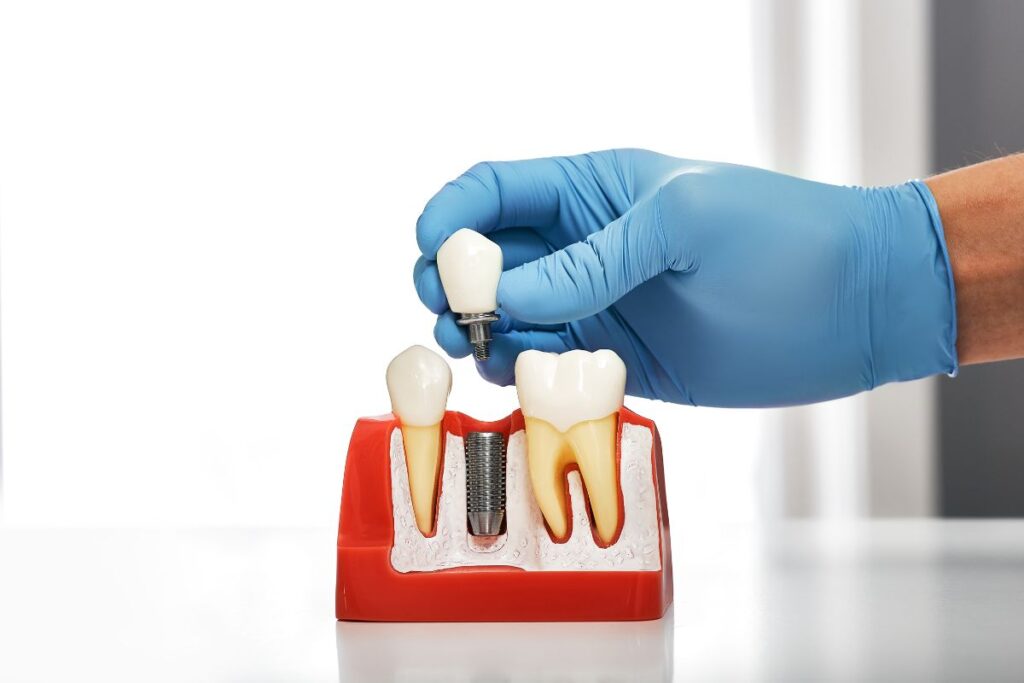
Unlike traditional tooth replacement options, dental implants replace both the visible tooth and the missing root.
A dental implant consists of a biocompatible titanium post that is placed into the jawbone. Once healed, the implant integrates with the surrounding bone through a process called osseointegration.
This unique design allows implants to mimic the function of natural tooth roots.
Patients considering a dental implant procedure in Hawthorn Woods often appreciate that implants address both tooth replacement and long-term bone preservation. By stimulating the jawbone during everyday chewing activities, implants help maintain bone density and reduce the risk of ongoing bone resorption.
The Science Behind Bone Preservation
When chewing forces travel through the implant into the jawbone, the body recognizes that the bone is still needed. This encourages the continued maintenance of healthy bone tissue.
As a result, dental implants are considered the gold standard for replacing missing teeth while supporting long-term jaw health.
Comparing Tooth Replacement Options
| Tooth Replacement Option | Replaces Tooth Root | Helps Preserve Jawbone | Supports Neighboring Teeth |
|---|---|---|---|
| Dental Implant | Yes | Yes | Yes |
| Dental Bridge | No | Limited | Partially |
| Removable Denture | No | No | Limited |
This comparison highlights why many dental professionals recommend implants when preserving jawbone structure is a priority.
Who Is a Good Candidate for Dental Implants?
Many adults with one or more missing teeth may qualify for implants.
Ideal candidates generally have:
- Healthy gums
- Adequate jawbone support
- Good overall oral health
- Commitment to oral hygiene
- No uncontrolled medical conditions affecting healing
A comprehensive examination allows the dental team to evaluate bone levels and determine the most appropriate treatment plan.
What Happens During the Implant Process?
Initial Evaluation
Advanced imaging helps assess bone quality and identify the best implant placement location.
Implant Placement
The implant post is carefully positioned within the jawbone.
Healing and Integration
Over the following months, the implant fuses with the bone, creating a stable foundation.
Final Restoration
A custom crown is attached to complete the smile and restore function.
Patients often find that the completed restoration looks, feels, and functions very similarly to a natural tooth.
Why Early Action Matters
Replacing a missing tooth sooner rather than later can help minimize ongoing bone loss. Delaying treatment may result in additional bone shrinkage that could complicate future restorative options.
For individuals who recently experienced tooth loss, discussing replacement options promptly can help preserve oral structures and support better long-term outcomes.
If you’re researching solutions for a missing tooth and if you are searching for a dentist near Hawthorn Woods, understanding the relationship between tooth roots and jawbone health is an important first step. A personalized evaluation can determine whether dental implants are the right option for protecting both your smile and your underlying bone structure.
Trending FAQs About Jawbone Shrinkage and Dental Implants
Frequently Asked Questions
- How soon does jawbone loss begin after a tooth extraction?
Bone resorption can begin within the first few weeks after a tooth is removed and may continue over time if the tooth is not replaced. - Can jawbone loss be reversed?
In some cases, bone grafting procedures may help rebuild lost bone, depending on the severity of the loss. - Do dental implants stop bone loss completely?
Dental implants significantly reduce and help prevent ongoing bone loss by stimulating the jawbone similarly to natural tooth roots. - Will my face change if I do not replace a missing tooth?
Long-term bone loss can contribute to facial changes, including a sunken appearance around the mouth and cheeks. - How long do dental implants last?
With proper care and regular dental visits, implants can provide long-lasting support and function.
Protecting Your Smile for the Future
Jawbone shrinkage after tooth extraction is a natural process, but it does not have to become a permanent problem. Modern implant dentistry offers a reliable way to restore missing teeth while helping preserve the underlying bone that supports your smile. Dr. Copeland and the dental team can evaluate your individual needs and recommend a treatment plan designed to support long-term oral health. If you have questions about replacing a missing tooth, contact us to learn more about your options and the benefits of implant-based tooth replacement.
A missing tooth affects more than appearance alone. The health and strength of the jawbone play a vital role in maintaining function, comfort, and facial structure. By understanding how bone loss occurs and taking steps to address it early, patients can make confident decisions that support lasting oral health and a stronger smile for years to come.