
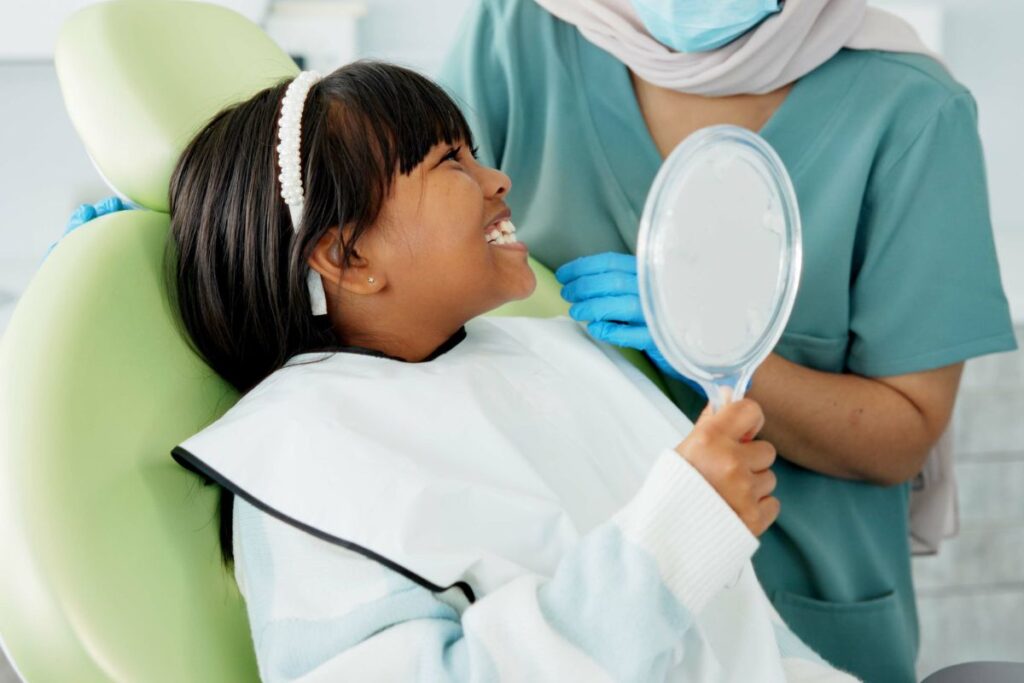
Parents often celebrate when they find foods their child is willing to eat consistently. However, many popular snacks that picky eaters love can quietly contribute to tooth decay. From sticky fruit snacks to crackers that linger on teeth, certain foods may create an environment where cavity-causing bacteria thrive. Understanding the connection between snack choices and oral health can help parents make informed decisions that support healthy smiles while still accommodating selective eating habits.
Why Picky Eaters May Face a Higher Risk of Cavities
Picky eating often leads children to prefer a limited range of foods. Many of these foods are processed, carbohydrate-rich, or sugary. While these options may seem harmless, they can increase the risk of dental problems when consumed frequently throughout the day.
When sugars and starches remain on teeth, oral bacteria feed on them and produce acids. These acids gradually weaken tooth enamel, leading to cavities. Children who snack often without drinking water or brushing afterward may be especially vulnerable.
Common cavity-promoting snacks include:
- Fruit gummies and chewy candies
- Crackers and chips
- Sweetened yogurt products
- Cookies and pastries
- Dried fruits
- Flavored drinks and juice boxes
How Snack Frequency Impacts Oral Health
The amount of time food stays on teeth can be just as important as the type of food consumed. Frequent snacking exposes teeth to repeated acid attacks throughout the day.
A child who grazes on crackers or sips juice over several hours may experience more enamel damage than a child who eats a balanced meal and then gives their mouth time to recover.
Research consistently shows that limiting frequent sugary snacks can significantly reduce cavity risk in children.
Common Snacking Habits That Increase Cavity Risk
| Snacking Habit | Impact on Teeth |
|---|---|
| Constant grazing | Prolongs acid exposure |
| Sticky snacks | Adhere to tooth surfaces |
| Sugary beverages | Bathe teeth in sugar |
| Bedtime snacking | Reduces natural saliva protection |
| Frequent juice consumption | Increases enamel erosion |
Hidden Sugars Parents Often Overlook
Many products marketed as healthy snacks contain surprising amounts of sugar. Parents may unknowingly choose foods that contribute to decay because the packaging emphasizes vitamins, fruit content, or natural ingredients.
Some examples include:
- Granola bars
- Fruit leather
- Sweetened applesauce
- Flavored milk
- Sports drinks
- Breakfast cereals
Reading nutrition labels can help identify added sugars and allow families to make healthier choices.
Children benefit most when snacks combine fiber, protein, and healthy fats. These nutrients help satisfy hunger while reducing the likelihood of tooth decay.
Better Snack Choices for Growing Smiles
Fortunately, parents do not have to eliminate snacks altogether. The goal is to choose options that support both nutrition and oral health.
Healthy tooth-friendly snacks include:
Crunchy Fruits and Vegetables
Apples, cucumbers, celery, and carrots help stimulate saliva production. Saliva naturally washes away food particles and neutralizes acids.
Cheese and Dairy Products
Cheese, plain yogurt, and milk contain calcium and phosphorus that help strengthen developing teeth.
Nuts and Seeds
When age-appropriate and safe for the child, nuts provide protein and healthy fats with minimal cavity risk.
Whole Foods Over Processed Foods
Fresh, minimally processed foods typically contain less added sugar and fewer ingredients that cling to teeth.
Families who visit our pediatric dentist in Hawthorn Woods often learn that small dietary adjustments can make a meaningful difference in reducing cavity risk while still accommodating a child’s food preferences.
The Role of Hydration in Preventing Tooth Decay
Water is one of the simplest tools for protecting children’s teeth. Drinking water throughout the day helps rinse away food particles and supports healthy saliva production.
Choosing water instead of juice, soda, or sports drinks can significantly reduce sugar exposure. Fluoridated water also provides additional protection by helping strengthen tooth enamel.
Encouraging children to drink water after snacks can become an easy and effective habit that supports long-term oral health.
Signs That Snack Choices May Be Affecting Your Child’s Teeth
Parents should watch for early warning signs that may indicate developing dental issues.
Common Symptoms Include:
Tooth Sensitivity
Children may complain about discomfort when eating hot, cold, or sweet foods.
White Spots on Teeth
These can be early signs of enamel demineralization before cavities become visible.
Persistent Bad Breath
Food particles and bacterial buildup may contribute to ongoing bad breath.
Visible Dark Spots or Holes
These may indicate active tooth decay that requires professional attention.
Regular dental checkups help identify these issues before they become more serious.
Helping Picky Eaters Build Healthier Habits
Changing eating habits can be challenging, especially with selective eaters. The key is gradual improvement rather than sudden restrictions.
Parents can:
- Introduce one new healthy snack at a time
- Offer balanced snack options consistently
- Avoid using sugary foods as rewards
- Create structured snack times
- Encourage drinking water after meals
Many families find success by involving children in grocery shopping and snack preparation. When children feel included, they are often more willing to try new foods.
Dr. Copeland frequently emphasizes that healthy eating patterns established during childhood can positively influence oral health for years to come.
Frequently Asked Questions About Snacks and Cavities
Many parents search online for answers regarding picky eaters and tooth decay. Here are some commonly asked questions:
- Can crackers cause cavities?
Yes. Crackers break down into sugars and can stick between teeth, feeding cavity-causing bacteria. - Are fruit snacks healthier than candy for teeth?
Not necessarily. Many fruit snacks are sticky and contain concentrated sugars that remain on teeth. - What is the best drink for children’s teeth?
Water is generally considered the best choice because it rinses away food particles and supports healthy saliva flow. - Can cavities develop even if my child brushes daily?
Yes. Frequent sugary snacks and poor dietary habits can still contribute to tooth decay despite regular brushing. - How often should children visit the dentist?
Most children benefit from routine dental visits every six months, though recommendations may vary based on individual needs.
For parents seeking guidance about nutrition, preventive care, and cavity prevention, if you are searching for a kids dentist near Hawthorn Woods, professional dental evaluations can help identify risk factors early and provide personalized recommendations for your child’s oral health.
Creating a Cavity-Smart Snack Strategy
A successful approach combines healthy snack choices, proper oral hygiene, regular hydration, and routine dental visits. Small adjustments made consistently can have a significant impact on a child’s dental health.
By choosing nutritious snacks, limiting sugary beverages, and encouraging healthy habits, parents can help protect developing smiles from unnecessary decay. If you have questions about your child’s diet, oral hygiene routine, or cavity prevention strategies, contact us to schedule a consultation and receive personalized guidance tailored to your child’s needs.
The foods children eat every day play a major role in their oral health. While picky eating can make snack selection challenging, understanding which foods contribute to cavities allows parents to make smarter choices. With the right combination of healthy nutrition, good hygiene habits, and preventive dental care, children can enjoy a stronger, healthier smile that lasts well into the future.