
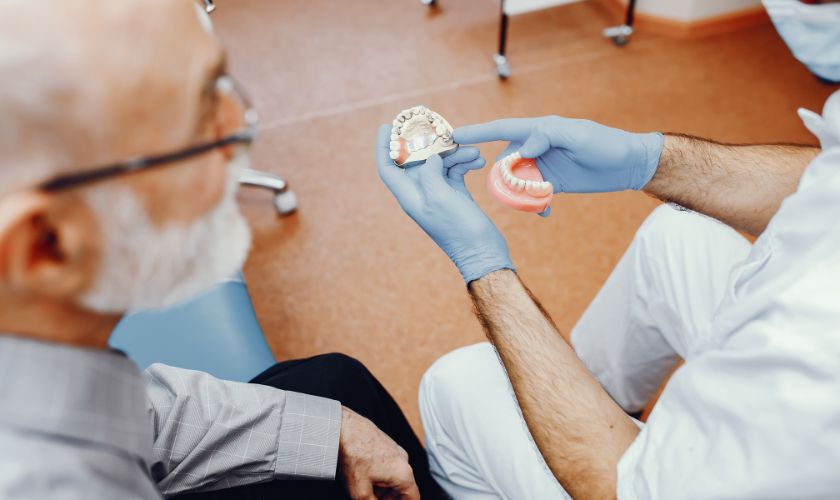
The loss of one or more teeth can have a profound impact on various aspects of daily life, from the ability to eat comfortably to the confidence to smile openly. Dental bridges have emerged as a transformative solution, bridging the gaps created by missing teeth and restoring not only the aesthetic appeal of one’s smile but also the functionality of eating and speaking. In this comprehensive guide, we’ll delve into the world of dental bridges, exploring their types, benefits, and the positive impact they have on individuals, allowing them to eat, speak, and smile with renewed confidence.
I. Understanding Dental Bridges
What Are Dental Bridges?
Dental bridges are prosthetic devices designed to replace one or more missing teeth by bridging the gap between existing teeth. They consist of artificial teeth, known as pontics, anchored to adjacent natural teeth or dental implants for support.
Types of Dental Bridges:
- Traditional Bridges: Pontics are held in place by dental crowns on adjacent natural teeth.
- Cantilever Bridges: Cantilever bridges are appropriate when there is only one neighboring tooth that can provide support.
- Maryland Bonded Bridges: Pontics are attached to adjacent teeth with metal or porcelain wings.
II. Benefits of Dental Bridges
Restored Aesthetics:
Dental bridges recreate the natural appearance of a complete smile, enhancing facial aesthetics and boosting confidence.
Improved Speech:
The restoration of missing teeth with dental bridges aids in clearer speech, preventing the slurring or mumbling that can occur due to gaps.
Enhanced Chewing Functionality:
With the ability to distribute bite forces evenly, dental bridges restore the full chewing functionality, allowing individuals to enjoy a varied and nutritious diet.
III. The Dental Bridge Procedure
Initial Consultation:
The process begins with a comprehensive dental examination and consultation. The dentist assesses the oral health, discusses the patient’s preferences, and determines the suitability of dental bridges.
Tooth Preparation:
For traditional bridges, the adjacent teeth that will support the bridge are prepared by removing a small amount of enamel. This creates space for the crowns that will anchor the pontic.
Impression:
An impression of the prepared teeth and the gap is taken to ensure the dental bridge is customized to fit seamlessly within the patient’s oral anatomy.
Temporary Bridge:
While the permanent bridge is being crafted in a dental laboratory, a temporary bridge is often placed to protect the exposed teeth and maintain aesthetics.
Bridge Placement:
Once the permanent bridge is ready, the temporary bridge is removed, and the custom-fit dental bridge is securely placed and adjusted for comfort.
IV. Caring for Dental Bridges
Oral Hygiene Practices:
Maintaining excellent oral hygiene is crucial to the longevity of dental bridges. Regular brushing and flossing, including the use of special floss threaders, are essential.
Regular Dental Check-ups:
Routine dental check-ups allow the dentist to monitor the condition of the dental bridge, address any concerns promptly, and ensure overall oral health.
V. Longevity and Durability
Material Choices:
The materials used in dental bridges, such as porcelain, ceramic, or metal alloys, contribute to their strength and durability.
Proper Maintenance:
Adhering to recommended oral hygiene practices and avoiding habits like teeth grinding or biting on hard objects enhances the longevity of dental bridges.
VI. Who Can Benefit from Dental Bridges?
Individuals with Missing Teeth:
Dental bridges are an ideal solution for those missing one or more adjacent teeth, restoring both function and aesthetics.
Those Unsuited for Dental Implants:
For individuals who may not be suitable candidates for dental implants, dental bridges provide a non-invasive alternative.
Dental bridges serve as more than just a cosmetic solution; they are a pathway to eating, speaking, and smiling with renewed confidence. With advancements in dental technology, the process is streamlined, and the results are remarkably natural. If you’re navigating the challenges of missing teeth, consider exploring the transformative benefits that dental bridges offer—a solution that goes beyond aesthetics to restore the joy of everyday activities with a complete and functional smile.