
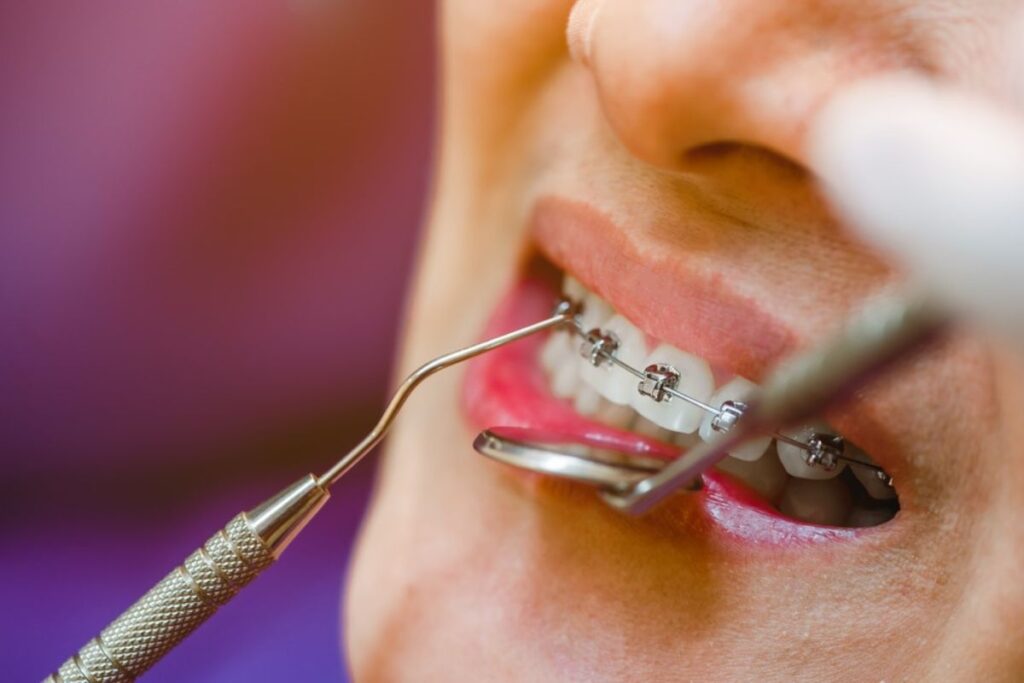
When considering orthodontic treatment, one of the most common concerns is discomfort. Braces, while transformative for your smile, can cause pain during the adjustment process. A frequent question among patients is whether self-ligating braces hurt less than traditional braces. In this blog, we’ll explore the differences between these two types of braces, how they impact comfort, and what you can expect during treatment. With insights grounded in orthodontic expertise, we aim to help you make an informed decision for your dental journey.
What Are Self-Ligating Braces?
Self-ligating braces are a modern orthodontic option that uses a specialized clip or door mechanism to hold the archwire in place. Unlike traditional braces, which rely on elastic bands (ligatures) to secure the wire, self-ligating braces allow the wire to move more freely. This design reduces friction between the wire and brackets, often leading to a smoother treatment process. They come in metal or ceramic options, with ceramic being less noticeable for those seeking a discreet look.
How Do Traditional Braces Work?
Traditional braces use metal brackets attached to each tooth, connected by an archwire. Elastic ligatures are tied around the brackets to keep the wire in place. These elastics can create more friction and pressure, which some patients find uncomfortable. The ligatures also need regular replacement during adjustments, which can cause temporary soreness. Traditional braces have been a reliable choice for decades, effectively correcting a wide range of alignment issues.
The Key Differences Between Self-Ligating and Traditional Braces
To understand their impact on comfort, let’s break down the main differences. Self-ligating braces have a sliding mechanism that eliminates the need for elastic ties, reducing friction and pressure on your teeth. Traditional braces, with their elastic ligatures, can create more resistance, sometimes leading to increased discomfort during adjustments. Self-ligating braces often require fewer appointments because the wire adjusts more gradually, while traditional braces need more frequent tightening. Additionally, self-ligating braces are easier to clean since there are no elastics to trap food particles, promoting better oral hygiene during treatment.
Do Self-Ligating Braces Hurt Less?
The question of pain is central for many patients. Self-ligating braces are often reported to cause less discomfort than traditional braces. The reduced friction from the sliding mechanism means there’s less pressure on your teeth as they shift. Adjustments with self-ligating braces tend to be gentler because the wire moves more freely, leading to a smoother experience. Traditional braces, on the other hand, can cause more soreness after adjustments due to the tighter grip of the elastic ligatures. However, discomfort levels vary from person to person. Some patients with traditional braces report manageable pain, while others find self-ligating braces significantly more comfortable. Initial soreness is common with both types as your mouth adjusts to the new hardware, but this typically subsides within a few days.
What to Expect During Treatment with Self-Ligating Braces
When you start treatment with self-ligating braces, you’ll likely experience some mild discomfort as your teeth begin to shift. This is normal and happens with any orthodontic treatment. The first few days after getting braces or after an adjustment might feel tender, but the pain is usually less intense compared to traditional braces. Because self-ligating braces work more efficiently, you may notice faster tooth movement, which can reduce overall treatment time. Patients often report that the lack of elastic ties makes their braces feel less bulky, contributing to a more comfortable experience. Regular checkups with your orthodontist will ensure your treatment progresses smoothly.
Self-Ligating Braces in Hawthorn Woods, IL: A Local Option
For those exploring orthodontic options, self-ligating braces in Hawthorn Woods, IL, offer a modern solution for a more comfortable treatment experience. Local orthodontic practices are well-versed in this technology, providing personalized care to suit your needs. Whether you’re correcting crowded teeth, gaps, or bite issues, self-ligating braces can be an excellent choice. Consulting with a trusted professional in the area can help you determine if this option aligns with your goals for a healthier, straighter smile.
Finding the Right Dentist in Hawthorn Woods, IL
Choosing the right provider is key to a successful orthodontic journey. A skilled dentist in Hawthorn Woods, IL, with experience in orthodontics, can guide you through the process of selecting between self-ligating and traditional braces. They’ll assess your dental health, discuss your preferences, and create a treatment plan tailored to your needs. Building a relationship with a local expert ensures you receive ongoing support from the initial consultation to the final reveal of your new smile.
Tips to Manage Discomfort with Any Braces
While self-ligating braces may hurt less, some discomfort is inevitable with orthodontic treatment. Here are practical tips to ease the process. Use over-the-counter pain relievers like ibuprofen to manage soreness, especially after adjustments. Stick to soft foods like yogurt, soup, or mashed potatoes during the first few days of tenderness. Applying a warm compress to your cheeks can help relax your jaw and reduce discomfort. Orthodontic wax can prevent brackets from irritating your gums or cheeks. Lastly, maintain good oral hygiene by brushing and flossing regularly to avoid inflammation, which can worsen discomfort.
Benefits Beyond Comfort: Why Choose Self-Ligating Braces?
Self-ligating braces offer advantages beyond reduced pain. The lack of elastic ties means fewer food traps, making them easier to clean and lowering the risk of plaque buildup. They often require fewer office visits, saving you time. The smoother wire movement can lead to faster treatment, especially for complex cases. Aesthetically, ceramic self-ligating braces are less noticeable, appealing to adults and teens who want a subtle look. These benefits make self-ligating braces a popular choice for those seeking efficiency and comfort in their orthodontic journey.
Trending FAQs on Self-Ligating Braces
Here are answers to some frequently asked questions about self-ligating braces:
- How long does it take to adjust to self-ligating braces? Most patients adjust within 1-2 weeks, though mild soreness may persist after adjustments.
- Are self-ligating braces faster than traditional braces? Yes, they can be faster due to the efficient wire movement, often reducing treatment time by a few months.
- Can self-ligating braces fix severe alignment issues? Absolutely, they’re effective for a wide range of issues, from crowding to bite problems.
- Do self-ligating braces require special care? No, but maintaining good oral hygiene is key to preventing complications during treatment.
- Are self-ligating braces suitable for all ages? Yes, they’re appropriate for both teens and adults seeking orthodontic correction.
These answers address common concerns, helping you feel more confident about your decision.
Choosing the Right Braces for You
Deciding between self-ligating and traditional braces comes down to your priorities and lifestyle. If comfort, fewer appointments, and easier maintenance are important to you, self-ligating braces might be a better option. Both types will ultimately achieve a straighter smile, but the journey can vary in terms of discomfort and convenience. By consulting with an orthodontic expert, you can explore which option best suits your needs. A healthier, more confident smile is within reach, and understanding your choices is the first step toward achieving it.