
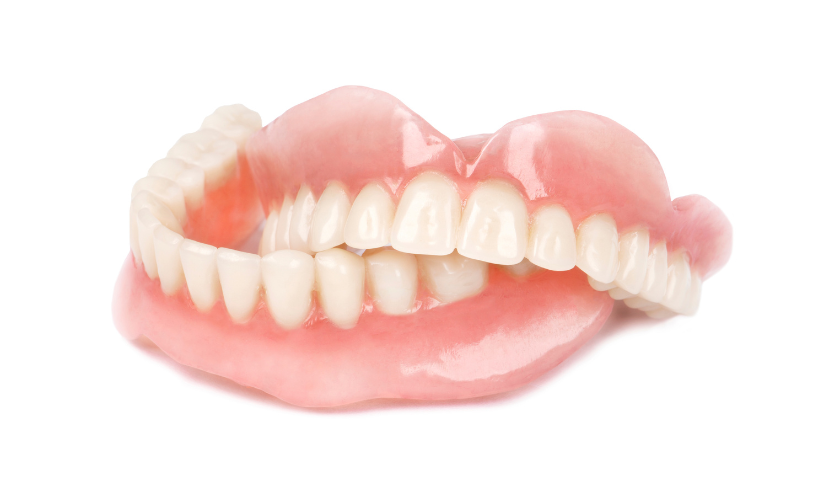
Dentures are a common and effective solution for replacing missing teeth, restoring functionality, and improving aesthetics. One of the key questions many people have about dentures is whether they can eat normally with them. In this blog, we’ll delve into this topic and provide insights into eating with dentures.
Understanding Dentures:
Dentures are removable dental appliances designed to replace missing teeth and surrounding tissues. They can be full dentures, replacing all teeth in a dental arch, or partial dentures, replacing only some missing teeth while preserving natural teeth.
Eating with Dentures:
While there is an adjustment period when you first start wearing dentures, most people can eat a wide variety of foods once they get accustomed to them. Here are some key points to consider about eating with dentures:
- Start with Soft Foods: Initially, it’s advisable to start with soft foods that require minimal chewing, such as mashed potatoes, yogurt, scrambled eggs, and soups. This allows you to get used to the feeling of eating with dentures and helps prevent discomfort.
- Chew Slowly and Deliberately: When eating solid foods, chew slowly and use both sides of your mouth evenly to distribute the chewing pressure. Avoid biting directly into hard foods with your front teeth to minimize stress on the dentures.
- Cut Food into Smaller Pieces: For foods that require more chewing, such as meats and vegetables, cut them into smaller, manageable pieces to make chewing easier and more comfortable.
- Use Denture Adhesive: Denture adhesive can help improve the stability and retention of your dentures, especially when eating foods that may put more pressure on them. Follow the manufacturer’s instructions for using denture adhesive.
- Avoid Sticky or Hard Foods: While dentures are designed to withstand normal chewing forces, it’s best to avoid sticky or hard foods like chewing gum, caramel, hard candies, and nuts, as they can potentially damage or dislodge dentures.
- Practice Good Oral Hygiene: Proper oral hygiene is essential for maintaining healthy gums and preventing oral issues that can affect your ability to eat comfortably with dentures. Brush your remaining natural teeth, if any, and clean your dentures daily as recommended by your dentist.
Benefits of Eating with Dentures:
- Improved Chewing Ability: Dentures restore the ability to chew and eat a variety of foods, allowing for a balanced diet and better nutrition.
- Enhanced Speech: Properly fitted dentures can improve speech clarity and pronunciation, especially for sounds that require tongue and teeth coordination.
- Boosted Confidence: Being able to eat normally with dentures restores confidence and social comfort, allowing you to enjoy meals with friends and family without hesitation.
Conclusion:
In conclusion, while there may be an adjustment period when getting used to dentures, most individuals can eat normally and comfortably with them. Following proper care and maintenance guidelines, practicing good oral hygiene, and being mindful of chewing techniques can optimize your experience with dentures. If you have any concerns or difficulties eating with dentures, consult your dentist for guidance and adjustments to ensure optimal functionality and comfort.