
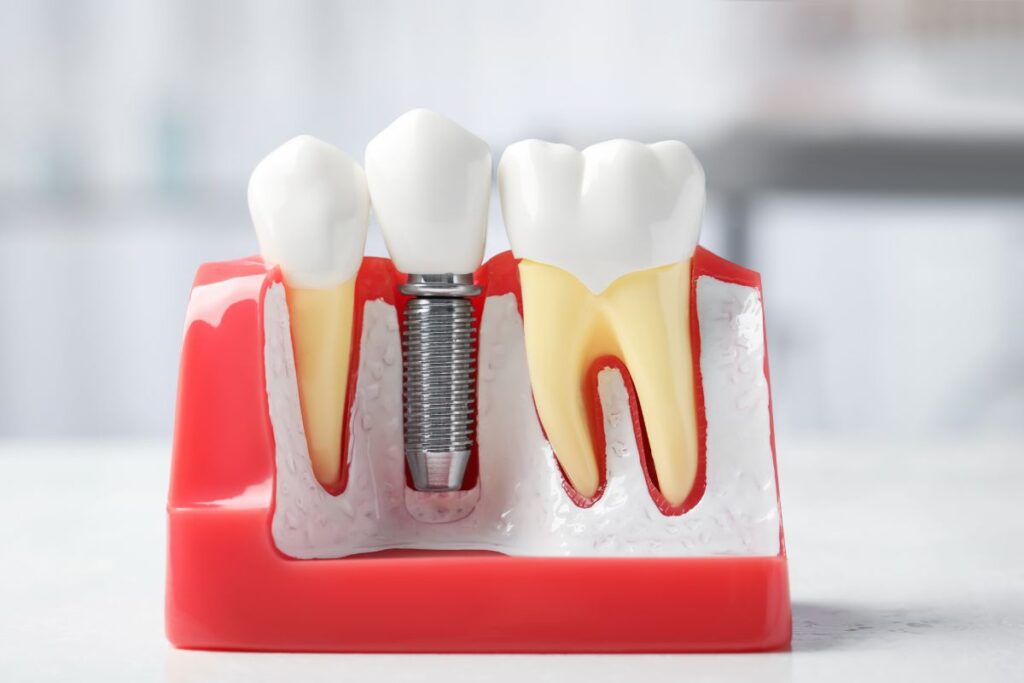
Dental implants have transformed modern dentistry. They offer a stable and long-lasting solution for missing teeth. Many patients who smoke often wonder if they are eligible for this treatment. It is a valid concern because smoking affects oral health in several ways. However, being a smoker does not automatically mean dental implants are impossible. With proper planning, care, and professional guidance, many smokers still achieve successful implant outcomes.
Understanding the factors that influence healing and implant stability can help patients make informed decisions. Let’s explore how smoking affects dental implants and what steps can improve success rates.
Understanding How Dental Implants Work
Dental implants replace missing teeth by placing a titanium post into the jawbone. This post functions like an artificial tooth root. Over time, the bone fuses with the implant through a process known as osseointegration.
Once healing is complete, a crown or prosthetic tooth is attached to the implant. This restores both function and appearance.
Key benefits of dental implants include:
-
Strong bite support
-
Natural appearance
-
Preservation of jawbone structure
-
Long-term durability
-
Improved speech and chewing
For the implant to succeed, the surrounding bone and gum tissue must heal properly after surgery.
Why Smoking Can Affect Implant Success
Smoking introduces harmful chemicals into the body that slow down healing. These chemicals reduce blood flow to the gums and bone. Reduced circulation means the tissues receive less oxygen and nutrients.
This can lead to several complications, such as:
-
Delayed healing after implant surgery
-
Higher risk of infection
-
Reduced bone integration
-
Increased chance of implant failure
Nicotine also affects the immune response. This makes it harder for the body to fight bacteria around the implant site.
Despite these challenges, many smokers still undergo successful implant procedures when proper precautions are taken.
Can Smokers Still Be Good Candidates for Implants?
Yes, smokers can still qualify for implants. However, dentists typically evaluate several factors before recommending treatment.
These factors include:
-
Overall oral health
-
Bone density in the jaw
-
Gum condition
-
Smoking frequency
-
Commitment to post-surgery care
Patients with healthy gums and sufficient bone structure often have better outcomes. Dentists may also recommend certain lifestyle adjustments before and after surgery to support healing.
In clinical practice, many individuals researching the dental implants procedure in Hawthorn Woods, IL are smokers who want a permanent solution for tooth loss. With careful treatment planning and improved oral care habits, successful results are still achievable.
Implant Success Rates for Smokers
Research consistently shows that smoking slightly reduces implant success rates compared to non-smokers. However, success is still very possible.
Below is a simplified overview of implant success statistics from clinical studies.
| Patient Group | Average Implant Success Rate |
|---|---|
| Non-smokers | 95% – 98% |
| Light smokers | 90% – 94% |
| Heavy smokers | 85% – 90% |
While the numbers show a difference, the majority of smokers still experience positive outcomes. The key factor is following professional guidance during the healing process.
Steps Smokers Can Take to Improve Implant Success
Dentists often recommend several strategies to increase implant success for smokers. These steps focus on improving healing conditions in the mouth.
Reduce or Pause Smoking
Avoiding smoking before and after surgery significantly improves healing. Many dentists recommend stopping smoking for at least one to two weeks before the implant placement and during the recovery period.
Maintain Excellent Oral Hygiene
Clean teeth and healthy gums are essential. Patients should brush and floss regularly and attend professional cleanings.
Follow Post-Surgical Instructions Carefully
Following the dentist’s instructions helps prevent infection and protects the implant during early healing.
Attend Regular Dental Checkups
Routine checkups allow dentists to monitor implant stability and detect early signs of complications.
Improve Overall Health
Good nutrition, hydration, and proper rest all contribute to stronger healing and tissue regeneration.
The Role of Bone Health in Implant Stability
Bone density plays a major role in implant success. Smoking can reduce bone quality over time. This may affect how well the implant fuses with the jaw.
Dentists usually perform imaging tests to evaluate bone structure before surgery. If the bone is strong enough, implant placement can proceed safely.
Healthy bone ensures the implant remains stable and functional for many years.
Signs That an Implant Is Healing Properly
Patients often feel concerned during the healing phase. Understanding normal signs of healing can provide reassurance.
Typical indicators of proper recovery include:
-
Mild swelling during the first few days
-
Gradual reduction in discomfort
-
Healthy gum appearance around the implant
-
Stable bite with no unusual movement
If symptoms such as persistent pain, severe swelling, or bleeding occur, patients should contact their dental professional promptly.
Trending FAQs About Dental Implants and Smoking
Many patients search online for answers before considering treatment. Below are common questions frequently asked on search engines.
Do dental implants fail more often in smokers?
Smoking increases the risk slightly, but many smokers still experience successful implant outcomes when proper care is followed.
Should I quit smoking before getting implants?
Quitting or reducing smoking significantly improves healing and long-term implant stability.
How long should I avoid smoking after implant surgery?
Most dentists recommend avoiding smoking for several weeks during the early healing stage.
Can gum disease from smoking affect implants?
Yes. Healthy gums are essential for implant stability. Gum disease can increase the risk of implant complications.
Are dental implants still the best option for missing teeth?
In many cases, implants remain the most stable and natural-feeling replacement for missing teeth.
Finding Professional Guidance for Implant Care
Dental implant treatment requires careful planning and experienced evaluation. A professional dental team will assess oral health, bone structure, and lifestyle habits before recommending treatment.
Patients who want reliable information and personalized guidance should seek professional consultation. If you are searching for a expert dentist near you, scheduling a comprehensive dental evaluation is an important first step toward restoring your smile and improving long-term oral health.
Smoking can influence the healing process after dental implant surgery, but it does not automatically prevent successful treatment. With proper planning, good oral hygiene, and guidance from experienced dental professionals, many smokers achieve stable and long-lasting results.
Understanding the risks and following recommended care practices greatly increases the chances of success. Dental implants continue to be one of the most reliable solutions for restoring missing teeth and supporting overall oral function.
Patients who want to explore their options can take the next step and schedule an appointment to discuss personalized treatment planning and determine the best path forward for a healthier smile.