
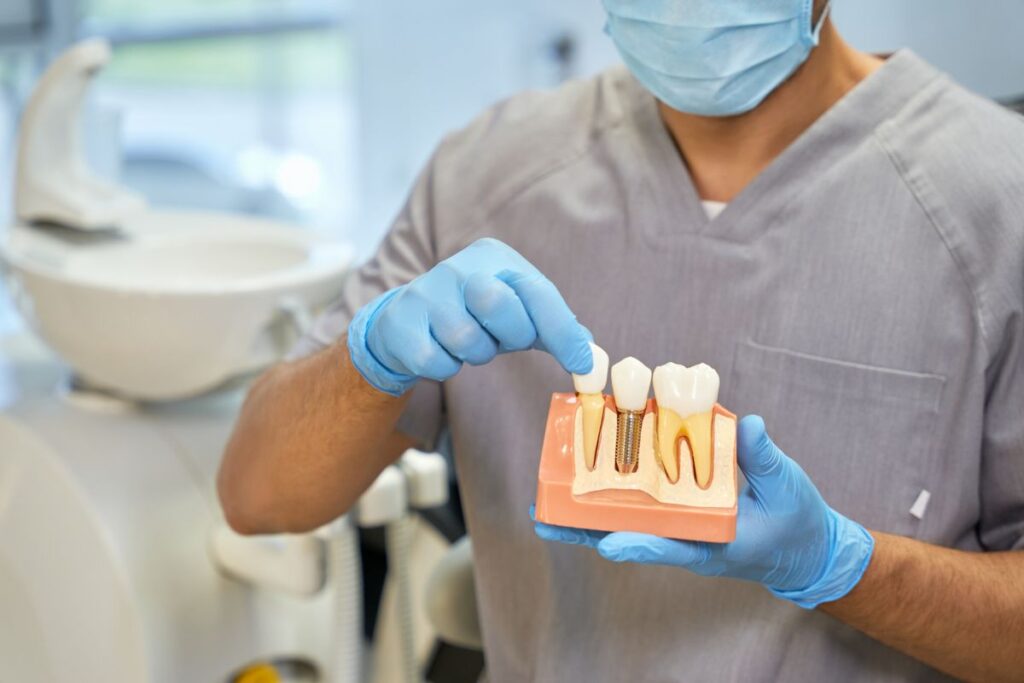
Missing teeth can affect more than just the appearance of a smile. They can influence how the upper and lower teeth come together, how food is chewed, and even how comfortable the jaw feels during daily activities. Many people are surprised to learn that a single missing tooth may gradually lead to shifting teeth, uneven pressure, and bite-related concerns over time. Understanding the connection between tooth loss and bite alignment can help patients make informed decisions about restoring their oral health and maintaining long-term function.
Understanding Bite Alignment and Why It Matters
Bite alignment refers to the way the upper and lower teeth fit together when the mouth closes. A balanced bite allows teeth to distribute chewing forces evenly while supporting healthy jaw movement.
When one or more teeth are missing, neighboring teeth may begin to drift toward the empty space. Opposing teeth can also move out of position. As these changes occur, the bite may become uneven, leading to concerns such as:
- Difficulty chewing certain foods
- Increased tooth wear
- Jaw discomfort
- Speech changes
- Greater risk of dental damage
- Increased strain on surrounding teeth
Maintaining proper alignment is important for both oral health and overall comfort.
How Missing Teeth Affect the Entire Mouth
Many people assume a missing tooth only creates a gap. In reality, tooth loss often affects the surrounding teeth and supporting structures.
Teeth Can Shift Over Time
Teeth naturally rely on neighboring teeth for support. When a tooth is lost, adjacent teeth may tilt or drift into the open space. This movement can gradually alter the bite and create alignment challenges.
Changes in Chewing Patterns
People often compensate for missing teeth by chewing on one side of the mouth. Over time, this uneven chewing pattern can place excess pressure on certain teeth and muscles.
Jaw Function May Be Impacted
When the bite becomes unbalanced, the jaw joints and muscles may need to work harder. This additional strain can contribute to discomfort and reduced efficiency during chewing.
Can Replacing Missing Teeth Help Restore Alignment?
In many cases, yes. Replacing missing teeth can help preserve proper spacing and support a more balanced bite.
Restorative solutions are designed to fill gaps and restore function. By occupying the missing space, they help prevent neighboring teeth from shifting further and support more even distribution of biting forces.
Patients exploring a dental implant procedure in Hawthorn Woods often discover that tooth replacement can provide both functional and long-term oral health benefits. When appropriately planned, restoring missing teeth can help maintain the natural relationship between the upper and lower arches.
Why Dental Implants Are Often Recommended
Dental implants are widely recognized as one of the most effective solutions for replacing missing teeth.
They Function Like Natural Tooth Roots
Unlike some tooth replacement options, implants are placed into the jawbone. This creates a stable foundation that supports chewing and speaking.
They Help Preserve Bone Structure
The jawbone relies on stimulation from tooth roots to remain healthy. After tooth loss, bone loss may occur in the affected area. Implants help provide stimulation that supports bone maintenance.
They Support Long-Term Stability
Because implants are anchored in the jaw, they help maintain spacing and reduce the likelihood of shifting teeth affecting bite alignment.
Signs Your Bite May Be Affected by Missing Teeth
Many patients are unaware that their bite has changed until symptoms become noticeable.
Common signs include:
- Teeth feeling uneven when biting down
- Frequent cheek or tongue biting
- Difficulty chewing comfortably
- Jaw fatigue
- Increased tooth sensitivity
- Visible tooth movement
- Changes in speech patterns
A comprehensive dental evaluation can determine whether missing teeth are contributing to these concerns.
The Importance of Early Treatment
The longer a tooth remains missing, the greater the chance that surrounding teeth will move. Early intervention often helps preserve existing alignment and simplify treatment planning.
Dental professionals frequently emphasize addressing tooth loss promptly because:
| Impact of Untreated Missing Teeth | Potential Outcome |
|---|---|
| Tooth drifting | Changes in bite alignment |
| Uneven chewing pressure | Excess wear on teeth |
| Bone loss | Reduced support for future restorations |
| Jaw strain | Discomfort and functional challenges |
| Food trapping | Increased risk of oral health concerns |
Addressing tooth loss before significant movement occurs can help maintain a healthier oral environment.
Additional Benefits of Replacing Missing Teeth
While bite alignment is an important consideration, replacing missing teeth offers several other advantages.
Improved Chewing Efficiency
Patients often experience greater comfort when eating a variety of foods.
Enhanced Speech Clarity
Certain sounds rely on proper tooth positioning. Replacing missing teeth can support clearer speech patterns.
Better Oral Health Maintenance
Properly restored spaces are generally easier to clean than areas where teeth have shifted significantly.
Improved Confidence
Many patients appreciate the aesthetic improvements that come with restoring a complete smile.
What Happens During an Evaluation?
Every patient has unique oral health needs. A comprehensive assessment typically includes:
Examination of Tooth Position
The dentist evaluates spacing, alignment, and existing bite relationships.
Imaging and Diagnostics
Digital imaging helps identify bone levels, tooth positioning, and other important factors.
Customized Treatment Planning
Recommendations are based on the patient’s oral health goals, existing conditions, and long-term needs.
Patients who are seeking guidance regarding tooth replacement options often benefit from a consultation with an experienced provider such as Dr. Copeland, who can evaluate how missing teeth may be affecting overall bite function.
Frequently Asked Questions About Missing Teeth and Bite Alignment
What happens if I do not replace a missing tooth?
A missing tooth can lead to shifting teeth, bite changes, bone loss, and increased stress on surrounding teeth.
Can one missing tooth affect my bite?
Yes. Even a single missing tooth may alter how neighboring and opposing teeth interact over time.
How long does it take for teeth to shift after tooth loss?
Movement varies by individual, but changes can begin within months after a tooth is lost.
Can bite alignment improve after replacing missing teeth?
Many patients experience improved bite stability and function after appropriate tooth replacement treatment.
Are dental implants good for maintaining alignment?
Dental implants help preserve spacing and provide stable support that can contribute to maintaining proper bite relationships.
Is it possible to prevent teeth from shifting?
Replacing missing teeth promptly is one of the most effective ways to reduce unwanted tooth movement.
If you are searching for a dentist near Hawthorn Woods, it is important to choose a dental team that carefully evaluates both the missing tooth and the overall bite relationship. A personalized treatment plan can help protect long-term oral health while restoring function and stability.
Missing teeth can influence far more than appearance. They can affect chewing, jaw comfort, and the way teeth fit together over time. Replacing missing teeth may help support proper alignment, improve oral function, and reduce the risk of future complications. If you have concerns about tooth loss or changes in your bite, contact us to schedule a professional evaluation and learn about the treatment options available to help restore your smile.
A healthy bite contributes to lasting oral health, comfortable function, and confidence in everyday life. By addressing missing teeth and preserving proper alignment, patients can take an important step toward maintaining a stronger, healthier smile for years to come.