
Have you ever woken up to a throbbing tooth that makes everyday activities miserable? An infected tooth nerve can turn simple joys like enjoying a hot coffee or biting into an apple into painful ordeals. The good news is dentists have reliable methods to address this issue effectively. They focus on relieving pain, eliminating infection, and preserving your natural tooth for years to come.
Understanding Infected Tooth Nerves
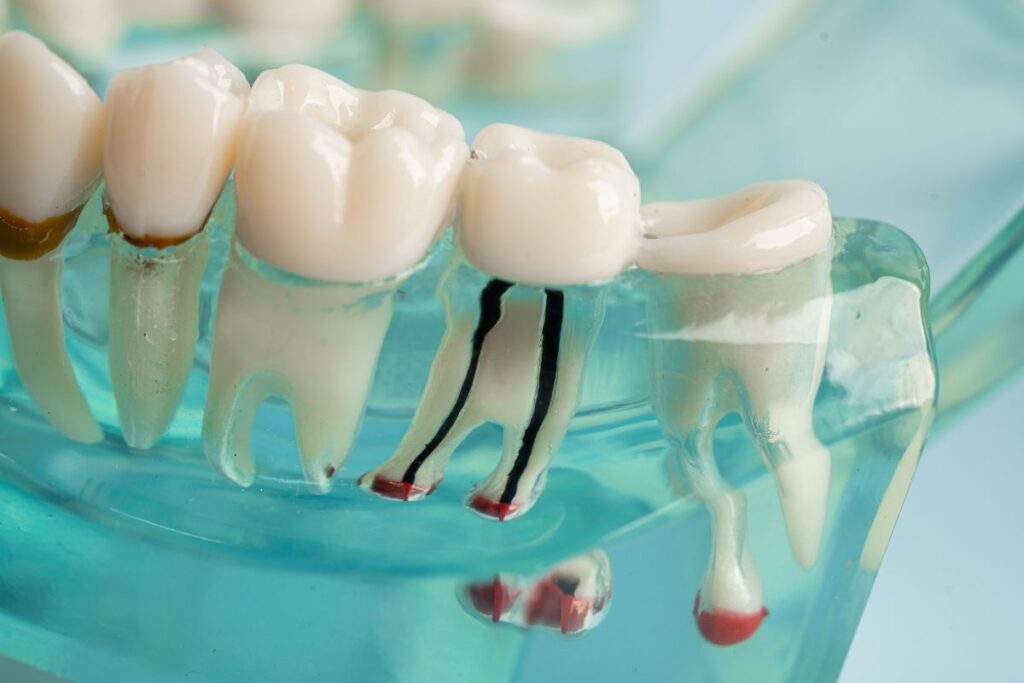
Tooth nerves sit inside the pulp chamber, the soft core of your tooth. Bacteria from deep decay, cracks, or trauma can reach this area and cause inflammation known as pulpitis. When the infection worsens, it leads to pulp death or abscess formation. This process creates pressure and intense discomfort. Early intervention prevents the infection from spreading to surrounding bone or tissues.
Dentists diagnose the problem through careful examination and digital X-rays. These tools reveal changes in the tooth structure or bone. Prompt attention stops the issue from escalating.
Recognizing the Symptoms Early
Sharp pain when chewing or tapping the tooth often signals trouble. Lingering sensitivity to hot or cold foods points to nerve involvement too. You might notice swelling in the gums, a bad taste in your mouth, or even a small pimple-like bump on the gum. In advanced cases, the pain becomes constant and radiates to the jaw, ear, or head.
Discoloration of the tooth can also appear as the nerve deteriorates. Ignoring these signs allows the infection to grow. Many patients report relief once they seek help and understand the treatment path ahead.
The Modern Approach to Treatment
Dentists today use advanced techniques to treat infected nerves comfortably. The primary goal remains saving the tooth whenever possible. For patients in the region exploring options, root canal therapy in Hawthorn Woods, IL offers a proven solution performed with precision and care.
The process begins with local anesthesia to ensure complete numbness. A rubber dam isolates the tooth, keeping it clean and dry. The dentist creates a small access opening in the crown to reach the pulp.
Specialized files then remove the infected tissue. Irrigation solutions flush out bacteria and debris thoroughly. The canals get shaped and cleaned meticulously. Once ready, a biocompatible material called gutta-percha fills the space to seal it against future infection. A temporary filling protects the tooth until the final restoration.
Most cases complete in one or two visits. Modern tools and magnification make the work efficient and accurate.
Endodontic treatment follows similar principles but emphasizes specialized cleaning and sealing for complex cases. This approach delivers high success rates when performed correctly.
What to Expect During Recovery
Mild sensitivity may occur for a few days after the procedure. Over-the-counter pain relievers usually manage any discomfort well. Avoid chewing on the treated tooth until the permanent crown or filling is placed.
Good oral hygiene remains essential. Brush gently twice daily and floss regularly. Attend follow-up appointments to monitor healing. Most patients return to normal activities quickly and enjoy freedom from the original pain.
Why Saving the Natural Tooth Matters
Keeping your original tooth maintains proper chewing function and prevents shifting of neighboring teeth. It supports facial structure and confidence in your smile. Extracting a tooth often leads to additional procedures like implants or bridges later. Root canal therapy followed by a crown provides a strong, natural-looking result that functions like your other teeth.
Trending FAQs About Treating Infected Tooth Nerves
Here are answers to common questions people ask online:
- Does root canal treatment hurt? Modern anesthesia makes the procedure comfortable for most patients. It often relieves the severe pain caused by the infection rather than creating new discomfort.
- How long does the procedure take? A typical root canal lasts 60 to 90 minutes. Complex cases with multiple canals may require a second visit.
- What happens if I ignore an infected tooth nerve? The infection can spread to the jawbone, cause abscesses, or lead to systemic health concerns. Early treatment prevents these complications.
- Will I need a crown after treatment? Yes, in most cases. The crown protects the weakened tooth and restores full strength for chewing.
- Can antibiotics alone cure the infection? Antibiotics may help control swelling temporarily but cannot eliminate bacteria inside the tooth. The infected pulp must be removed.
- How successful is the treatment? Success rates range from 85% to 95%. With proper restoration and care, the tooth can last a lifetime.
- Is there an alternative to root canal therapy? Extraction is the main alternative, but it removes the tooth entirely. Most dentists recommend saving the natural tooth when feasible.
Taking the Next Step Toward Relief
If these symptoms sound familiar, consulting our dentist near Hawthorn Woods can make all the difference in addressing the issue promptly and effectively. Professional evaluation brings clarity and a clear path forward.
In the end, treating an infected tooth nerve restores comfort and protects your overall oral health. Modern dentistry makes the process straightforward and successful. Don’t wait for the pain to worsen—reach out today and take control of your smile.