
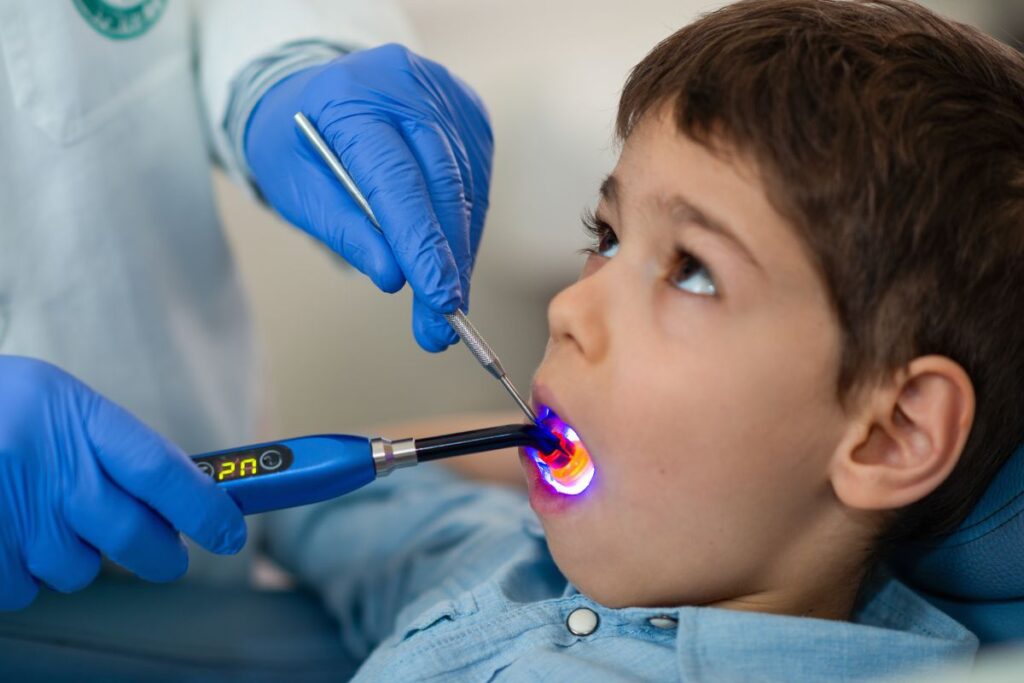
A cracked tooth can happen unexpectedly. You may notice a sharp pain when biting, sensitivity to temperature, or a rough edge on the tooth surface. These symptoms often raise an important question: can the damage be repaired with a filling, or does it require a more complex treatment? Understanding how dentists evaluate tooth fractures helps patients make informed decisions and seek timely care.
Tooth cracks vary in size and severity. Some are small surface fractures that do not affect the deeper tooth structure. Others extend into the enamel and dentin, potentially compromising the tooth’s strength. The right treatment depends on how deep the crack is, where it is located, and how much of the tooth is affected. In many cases, modern restorative techniques allow dentists to preserve natural teeth effectively.
Understanding Tooth Cracks
Not all tooth cracks are the same. Dental professionals typically classify cracks based on their depth and pattern. Recognizing the type of crack helps determine whether a filling is an appropriate solution.
Common Types of Cracked Teeth
Craze Lines
Craze lines are tiny surface cracks in the enamel. They are common in adults and often develop from years of chewing pressure. These lines rarely cause pain and typically do not require treatment.
Fractured Cusp
This type of crack occurs when a portion of the tooth’s chewing surface breaks. It is often associated with teeth that already have fillings. Dentists may repair this with a restoration that reinforces the remaining tooth structure.
Cracked Tooth
A cracked tooth involves a fracture that extends from the chewing surface toward the root. Early detection is crucial because the crack can worsen over time.
Split Tooth
When a crack progresses untreated, the tooth may split into separate segments. This condition often requires more complex dental care.
Understanding the difference between these conditions helps determine whether a filling alone can stabilize the tooth.
When a Filling Can Repair a Cracked Tooth
A dental filling is one of the most common restorative treatments used to repair minor damage. It works by removing compromised tooth material and restoring the shape and function of the tooth.
Fillings are usually recommended when the crack is small and limited to the outer layers of the tooth. The dentist carefully cleans the affected area and places a durable material to seal and strengthen the tooth.
In some cases, patients exploring treatment options such as dental fillings in Hawthorn Woods, IL may learn that fillings can help restore teeth affected by small fractures or chips. These restorations reinforce the tooth and prevent bacteria from entering deeper layers.
Signs That a Filling May Be Suitable
A filling may be recommended if the crack:
-
Is shallow and limited to enamel or dentin
-
Does not extend to the tooth root
-
Causes mild sensitivity rather than severe pain
-
Has not caused structural separation of the tooth
Dentists also evaluate bite pressure and tooth alignment when deciding on treatment.
Situations Where a Filling May Not Be Enough
Sometimes a crack is too large or deep for a filling to provide long-term stability. In these cases, the tooth may need a different restorative approach.
Factors That Influence Treatment Choice
Depth of the Crack
If the fracture extends close to the nerve or root, additional treatment may be necessary.
Location of the Damage
Cracks along the chewing surface are easier to restore than those that extend vertically down the tooth.
Tooth Strength
A weakened tooth may require reinforcement to handle normal biting forces.
Dentists perform a thorough examination using dental instruments, lighting, and imaging to assess the condition before recommending treatment.
Symptoms of a Cracked Tooth
Identifying symptoms early can help prevent further damage. Many people do not realize they have a cracked tooth until discomfort appears during chewing.
Common symptoms include:
-
Sharp pain when biting down
-
Sensitivity to hot or cold foods
-
Discomfort that comes and goes
-
Swelling around the affected tooth
-
Difficulty pinpointing the exact tooth causing pain
Because symptoms may be inconsistent, dental evaluations are important when any unusual discomfort occurs.
Why Early Treatment Matters
Ignoring a cracked tooth can allow the damage to worsen. Small fractures may deepen over time as pressure from chewing continues to stress the tooth structure.
Timely treatment can:
-
Prevent bacteria from entering the inner tooth
-
Reduce the risk of infection
-
Preserve the natural tooth structure
-
Restore comfortable chewing function
Early diagnosis also increases the likelihood that simpler treatments, such as fillings, will be effective.
Preventing Tooth Cracks
While some cracks occur due to accidents, many develop gradually from everyday habits. Preventive care can significantly reduce the risk.
Protective Measures
Avoid Chewing Hard Objects
Items like ice, hard candies, and unpopped popcorn kernels can place excessive pressure on teeth.
Maintain Good Oral Hygiene
Brushing and flossing help keep enamel strong and reduce decay that can weaken teeth.
Address Teeth Grinding
Grinding or clenching can cause microscopic fractures that eventually become larger cracks.
Attend Routine Dental Visits
Regular checkups allow dentists to identify small cracks before they progress.
A proactive approach supports long-term oral health and helps protect natural teeth.
Trending FAQs About Cracked Teeth
Many people search online for quick answers about cracked teeth and dental fillings. Below are some commonly asked questions.
Frequently Asked Questions
-
Can a cracked tooth heal on its own?
No. Tooth enamel cannot regenerate. Professional dental care is required to stabilize and repair the damage. -
Is a cracked tooth always painful?
Not always. Some cracks cause minimal symptoms, especially in the early stages. -
Can a dentist see a crack during an exam?
Dentists use special lighting, magnification, and dental imaging to detect cracks that may not be visible to the naked eye. -
What happens if a cracked tooth is left untreated?
The fracture may worsen, potentially leading to infection or tooth separation. -
Are fillings durable for small cracks?
Yes. When the damage is minor, fillings can restore strength and protect the tooth from further wear.
Tooth Fracture Insights
| Dental Condition | Approximate Occurrence in Adults | Common Cause |
|---|---|---|
| Craze lines | Up to 80% of adults | Normal wear and tear |
| Fractured cusp | Frequently seen in restored teeth | Chewing pressure |
| Cracked tooth | Less common but increasing | Grinding or trauma |
| Split tooth | Advanced untreated crack | Progressive fracture |
These patterns highlight why early diagnosis plays such a critical role in maintaining tooth integrity.
When to Seek Professional Advice
Persistent sensitivity or pain while chewing should never be ignored. Dental professionals are trained to diagnose subtle structural problems that may not be visible during routine brushing or self-examination.
If discomfort continues or the tooth feels unstable, a professional evaluation is the safest way to determine the appropriate treatment. If you are searching for a trusted dentist near you, scheduling a comprehensive dental check can help identify cracks early and protect your oral health.
Final Thoughts
A cracked tooth does not always mean extensive treatment is required. Many minor fractures can be successfully restored when addressed early, allowing patients to maintain normal chewing function and preserve natural teeth. Professional evaluation remains the most reliable way to determine whether a filling can repair the damage or if another restorative option is needed. Taking action at the first sign of discomfort can make a significant difference in long-term oral health and comfort, so consider reaching out to a dental professional today to schedule an appointment.