
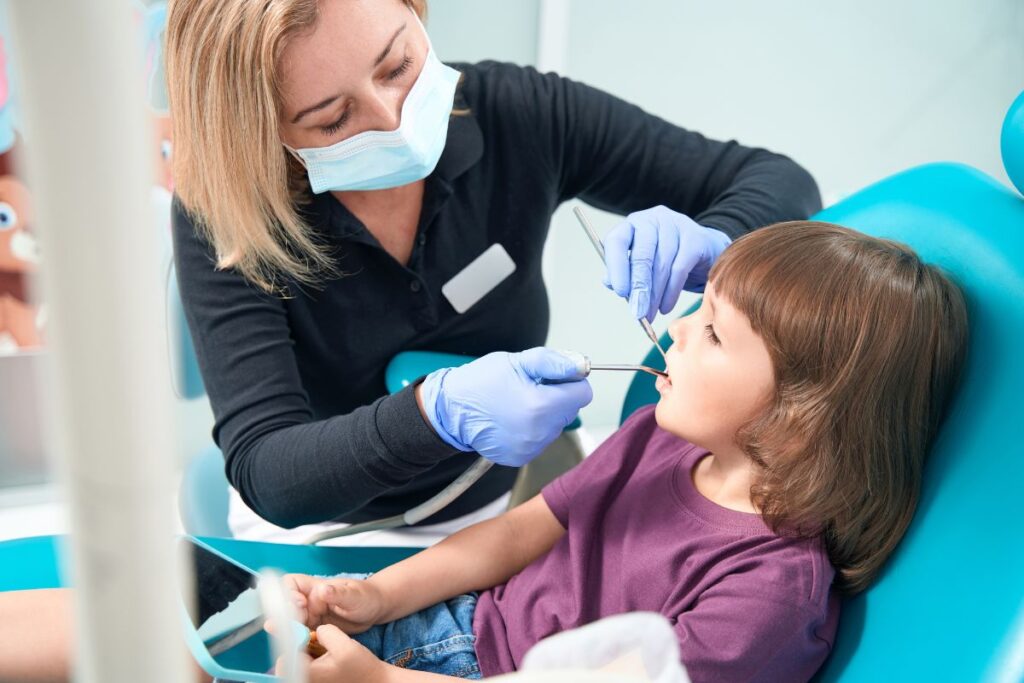
Noticing white spots on your child’s teeth can feel confusing at first. Many parents wonder whether the spots are harmless, temporary, or signs of a bigger dental concern. The good news is that white spots are common in children and often manageable when caught early. In some cases, they may simply reflect changes in enamel development. In others, they could signal early tooth decay or mineral imbalance.
Understanding what causes these spots is the first step toward protecting your child’s smile. A healthy set of teeth plays a major role in eating, speaking, confidence, and overall oral health as children grow.
What Do White Spots on Teeth Usually Mean?
White spots are areas where the enamel appears lighter or chalkier than the surrounding tooth surface. They may show up on baby teeth, permanent teeth, or both.
The appearance can vary:
- Small white streaks near the gums
- Chalky patches on front teeth
- Spots appearing after braces or orthodontic treatment
- Uneven enamel coloration
Some white spots are harmless cosmetic concerns. Others may point to enamel weakening or early decay.
Are White Spots a Sign of Cavities?
Sometimes, yes.
One of the earliest signs of tooth decay is a dull white spot on the enamel. These areas form when minerals are lost from the tooth surface through acid exposure from bacteria and sugars.
At this stage, the enamel has not fully broken down yet. Early dental care may help stop the decay from progressing further.
Parents should watch for:
- White spots near the gumline
- Increased sensitivity
- Poor brushing habits
- Frequent sugary snacks or drinks
Early intervention often makes a major difference.
Could Fluoride Cause White Spots?
Yes. Excess fluoride exposure during tooth development can lead to a condition called dental fluorosis.
Fluorosis usually appears as faint white streaks or cloudy patches on the teeth. Mild fluorosis is common and often cosmetic only.
Possible causes include:
- Swallowing toothpaste frequently
- Using too much fluoride toothpaste
- Drinking highly fluoridated water during early childhood
Children under age six should use only a pea-sized amount of toothpaste and be supervised while brushing.
Can Poor Oral Hygiene Create White Spots?
Absolutely.
When plaque stays on teeth for extended periods, acids from bacteria begin pulling minerals out of enamel. This process creates demineralized areas that appear white.
Children may struggle to brush effectively around:
- Gumlines
- Molars
- Crowded teeth
- Orthodontic appliances
This is why regular brushing, flossing, and professional cleanings remain so important for developing smiles.
Are White Spots Permanent?
Not always.
The answer depends on the cause and severity. Some white spots improve with better oral hygiene and enamel strengthening. Others may remain visible if the enamel structure has permanently changed.
A dental evaluation helps determine:
- Whether the spots are active decay
- If enamel damage exists
- What preventive steps may help
- Whether cosmetic improvement is possible later
During routine visits, our pediatric dentist in Hawthorn Woods carefully evaluates enamel health and developmental concerns to help parents understand what is happening and how to support healthier teeth moving forward.
What Foods and Habits Can Increase the Risk?
Certain habits can make enamel weaker over time.
Common Risk Factors
| Habit or Factor | How It Affects Teeth |
|---|---|
| Sugary snacks | Feeds cavity-causing bacteria |
| Acidic drinks | Weakens enamel minerals |
| Poor brushing | Allows plaque buildup |
| Frequent snacking | Keeps acid levels high |
| Dry mouth | Reduces natural enamel protection |
Children who sip juice throughout the day or snack constantly may face a higher risk of enamel changes.
How Can Parents Help Prevent White Spots?
Daily habits matter more than many parents realize.
Encourage Consistent Brushing
Children should brush twice daily using fluoride toothpaste appropriate for their age. Parents may need to help younger children brush thoroughly.
Limit Sugary and Sticky Foods
Frequent sugar exposure increases acid attacks on enamel. Healthier snacks support stronger teeth.
Promote Water Instead of Sugary Drinks
Water helps rinse away bacteria and acids while supporting saliva production.
Keep Up With Dental Visits
Regular dental checkups help identify enamel concerns before they worsen. Early guidance often prevents long-term problems.
Many families rely on our kids’ dentists for preventive care, oral hygiene education, and monitoring changes in developing teeth as children grow.
When Should Parents Be Concerned?
Some white spots are mild and harmless. Others deserve prompt dental attention.
Parents should schedule a dental evaluation if:
- Spots are spreading
- Teeth appear chalky or rough
- Your child complains of sensitivity
- Spots turn brown over time
- Oral hygiene is difficult to maintain
A dentist can determine whether the issue involves fluorosis, demineralization, enamel hypoplasia, or another condition.
Could Enamel Hypoplasia Be the Cause?
Yes, in some children.
Enamel hypoplasia happens when enamel does not form properly during tooth development. This can create white, yellow, or uneven patches on teeth.
Possible causes include:
- Illness during early childhood
- Premature birth
- Nutritional deficiencies
- Certain medications
- Genetic factors
Because weakened enamel may raise cavity risk, professional monitoring becomes important.
Trending FAQs About White Spots on Kids’ Teeth
- Why does my child suddenly have white spots on their teeth?
White spots often result from enamel demineralization, fluorosis, or early decay. - Are white spots on baby teeth normal?
They can be common, but a dental evaluation helps identify the exact cause. - Can white spots go away naturally?
Some mild spots improve with stronger oral hygiene and enamel care. - Do white spots always mean cavities?
No. Some are related to fluoride exposure or enamel development. - Should I worry about white spots after braces?
They may indicate enamel weakening from plaque buildup around brackets. - Is fluorosis dangerous?
Mild fluorosis is usually cosmetic and does not typically harm tooth function.
Parents often feel relieved after learning that many white spots are manageable when identified early. Dr. Jeffrey Copeland emphasizes the importance of preventive dental care and regular monitoring to help children maintain healthy enamel throughout development.
As children grow, changes in enamel can happen gradually. Some issues remain mild, while others may worsen without attention. If you are searching for an expert dentist in Hawthorn Woods, it helps to choose a dental team that focuses on education, prevention, and personalized guidance for every stage of childhood oral health.
White spots on teeth may seem minor at first, but they can provide important clues about your child’s enamel health. Paying attention early allows parents to take simple steps that support stronger teeth and healthier smiles long term. If you have concerns about changes in your child’s teeth, consider arranging a dental visit to receive professional guidance and personalized recommendations for their developing smile.