
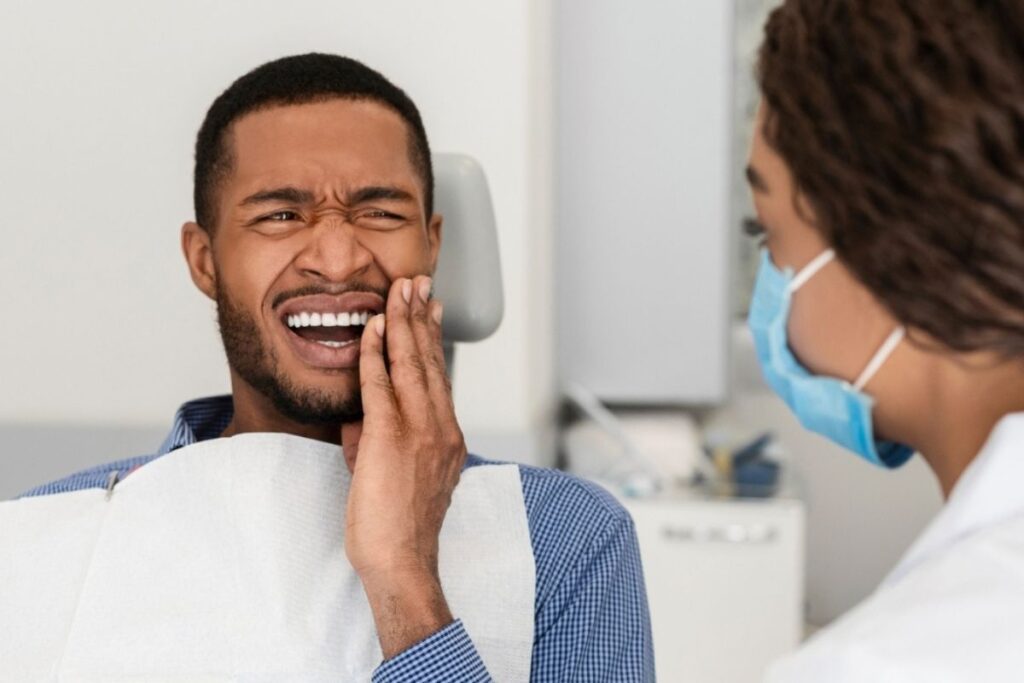
A permanent tooth should never feel loose during adulthood. Unlike baby teeth, adult teeth are designed to stay firmly anchored in the jaw for life. So when a tooth suddenly shifts, wiggles, or feels unstable, it often signals an underlying dental issue that deserves attention. While not every loose tooth means immediate danger, ignoring the problem can lead to more serious complications over time.
Understanding what causes tooth mobility and knowing when to seek prompt dental care can help protect your oral health and prevent permanent damage.
Why Would an Adult Tooth Become Loose?
Adult teeth can loosen for several reasons. Some causes are minor and manageable, while others require urgent treatment.
Could Gum Disease Be the Cause?
Yes. Gum disease is one of the leading reasons adults develop loose teeth. When plaque and bacteria build up beneath the gums, the tissues and bone supporting the tooth begin to weaken.
Common signs include:
- Swollen or bleeding gums
- Persistent bad breath
- Gum recession
- Tenderness while chewing
- Teeth shifting position
If periodontal disease progresses, the bone supporting the tooth can deteriorate significantly.
Can an Injury Make a Tooth Loose?
A fall, sports accident, or biting into something hard may loosen a tooth suddenly. Even if the tooth appears intact, the surrounding ligaments and bone may be injured.
Trauma-related tooth mobility should always be evaluated quickly because early treatment can sometimes stabilize the tooth before long-term damage occurs.
Could Teeth Grinding Lead to Loose Teeth?
Chronic teeth grinding, also called bruxism, places excessive pressure on teeth and supporting structures. Over time, this force may weaken the ligaments holding the tooth in place.
Many adults grind their teeth while sleeping without realizing it. Symptoms often include:
- Jaw soreness
- Morning headaches
- Worn enamel
- Tooth sensitivity
Are Loose Teeth Ever Linked to Overall Health?
In some cases, yes. Conditions that affect bone density or inflammation may contribute to weakened support around the teeth. Smoking and poor oral hygiene also increase the risk of tooth instability.
Routine dental visits help identify these issues early before they become severe.
When Does a Loose Tooth Become a Dental Emergency?
Not every loose tooth requires emergency treatment the same day, but some situations should never wait.
Is Sudden Tooth Mobility an Emergency?
A tooth that suddenly becomes loose without explanation should be evaluated promptly. Rapid movement may indicate:
- Infection
- Advanced gum disease
- Trauma
- Bone loss
Delaying care increases the risk of tooth loss.
What If There Is Pain or Swelling?
Pain, swelling, bleeding, or pus around the tooth often suggests infection. These symptoms may spread if untreated.
This is where our emergency dentistry in Hawthorn Woods can help patients receive timely care before the condition worsens.
Should You Seek Immediate Help After Dental Trauma?
Yes. A tooth loosened by impact should be examined as soon as possible. Quick action may improve the chances of saving the tooth.
What If the Tooth Only Feels Slightly Loose?
Even mild looseness should not be ignored. Early treatment often leads to better outcomes and may prevent additional damage to nearby teeth or gums.
What Should You Do If Your Tooth Feels Loose?
Acting carefully can help protect the tooth until you see a dentist.
Avoid Touching or Wiggling the Tooth
Repeatedly moving the tooth can worsen ligament damage and increase instability.
Stick to Soft Foods
Choose foods that require minimal chewing. Avoid crunchy, sticky, or hard foods that place pressure on the tooth.
Maintain Gentle Oral Hygiene
Continue brushing and flossing carefully to reduce bacteria around the area. Good hygiene supports healing and reduces inflammation.
Avoid Smoking and Alcohol
These habits may slow healing and worsen gum health.
Schedule a Dental Evaluation Promptly
A professional exam helps determine the exact cause and the best course of treatment. Dr. Jeffrey Copeland and the dental team can evaluate the condition and recommend appropriate care based on the severity of the problem.
How Are Loose Permanent Teeth Treated?
Treatment depends entirely on the underlying cause.
| Cause | Possible Treatment |
|---|---|
| Gum disease | Deep cleaning and periodontal care |
| Trauma | Stabilization or monitoring |
| Teeth grinding | Bite protection solutions |
| Infection | Targeted dental treatment |
| Bone loss | Restorative treatment planning |
Early diagnosis improves the likelihood of preserving the tooth.
Can a Loose Tooth Tighten Back Up?
Sometimes. If the issue is addressed early and the supporting tissues remain healthy enough, a loose tooth may stabilize after treatment.
For example:
- Mild gum inflammation may improve with periodontal care
- Minor trauma may heal with reduced pressure
- Bite-related stress may lessen after adjustments
However, severe bone loss or advanced infection can make recovery more difficult.
Are Certain Adults More at Risk?
Some adults have a higher likelihood of developing loose teeth.
Risk factors include:
- Smoking
- Poor oral hygiene
- Chronic teeth grinding
- Untreated gum disease
- Diabetes
- Osteoporosis
- Previous dental trauma
Preventive dental care plays a major role in reducing these risks.
How Can Adults Prevent Loose Teeth?
Healthy daily habits protect the gums and bone supporting the teeth.
Maintain Consistent Oral Hygiene
Brush twice daily and floss carefully to reduce plaque buildup.
Schedule Regular Dental Visits
Routine exams allow dentists to detect gum disease and bite problems early.
Wear Protective Mouthguards
Sports mouthguards and nightguards help reduce dental trauma and grinding damage.
Pay Attention to Early Symptoms
Bleeding gums, shifting teeth, and gum recession should never be ignored.
Many families also prioritize preventive visits with our dentists so children develop strong oral hygiene habits early in life.
Trending FAQs About Loose Adult Teeth
- Can a loose permanent tooth heal on its own?
Sometimes mild cases improve, but professional evaluation is still important. - Is a slightly loose tooth serious?
Yes. Even mild looseness may indicate gum disease or trauma. - Should I pull out a loose permanent tooth?
No. Pulling it yourself can damage surrounding tissue and worsen the condition. - Can stress cause loose teeth?
Stress may contribute indirectly through teeth grinding. - How quickly should I see a dentist for a loose tooth?
As soon as possible, especially if pain, swelling, or trauma is involved. - Can gum disease make teeth fall out?
Yes. Advanced periodontal disease can weaken bone support and lead to tooth loss. - Are loose teeth always painful?
No. Some loose teeth develop without discomfort at first.
Why Prompt Dental Care Matters
A loose permanent tooth is your body’s way of signaling that something is wrong. Waiting too long can allow infection, bone loss, or gum disease to progress further. Early intervention offers the best chance of preserving your natural smile and preventing future complications.
Near the final stages of treatment planning, many patients appreciate working closely with a trusted local dental team that understands their concerns and oral health goals. If you are searching for an expert dentist in Hawthorn Woods, choosing a provider who focuses on preventive care, gum health, and patient education can make a meaningful difference. Many individuals also value the personalized attention provided by a compassionate dental professional serving the Hawthorn Woods community.
A loose permanent tooth in adulthood should never be dismissed as normal. Whether caused by gum disease, trauma, or bite-related stress, early evaluation is essential for protecting your oral health. Paying attention to warning signs and seeking timely dental care may help preserve the tooth and prevent more serious complications down the road.
Patients who notice changes in tooth stability often feel more confident after discussing their concerns with our experienced dental team in Hawthorn Woods and receiving a personalized treatment plan designed around their needs.