
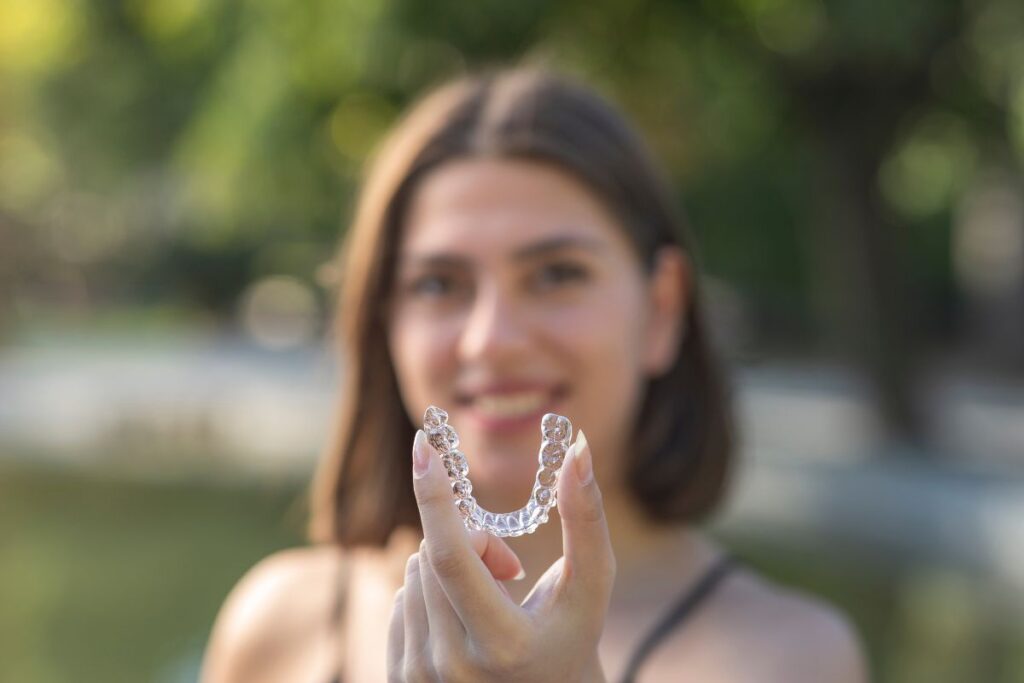
Many people long for a straighter smile but hesitate because of tooth sensitivity. Everyday joys like cold drinks or hot meals can already cause sharp discomfort. The idea of orthodontic treatment might seem daunting if your teeth react strongly to pressure or temperature. Yet modern clear aligners have changed the game for countless patients. They offer a discreet, comfortable path to alignment while addressing common concerns head-on. This guide breaks down the facts, shares real-world insights, and gives actionable steps to help you move forward with confidence.
Understanding Tooth Sensitivity
Tooth sensitivity occurs when the outer enamel wears down or gums pull back. This exposes the softer dentin layer underneath, which contains microscopic tubules leading straight to the nerve. Triggers such as cold air, sweet foods, or brushing can then send sharp signals. Causes range from aggressive brushing and acidic diets to gum recession or old fillings. Identifying and managing the root issue first sets the stage for any successful orthodontic journey.
How Invisalign Aligners Work
Invisalign aligners consist of a series of custom trays made from smooth, medical-grade plastic. Each tray fits snugly over your teeth and applies controlled, gentle force to guide them into better positions. You switch trays every one to two weeks, allowing gradual movement. Because the trays are removable, you maintain full control over your daily routine and oral care.
Invisalign aligners stand out for their smooth surfaces that rarely irritate soft tissues, unlike traditional braces with wires and brackets. This design often translates to fewer sore spots and easier adaptation for patients who already deal with sensitivity.
Can Invisalign Aligners Affect Sensitive Teeth?
The short answer is that invisalign aligners are generally safe and often better tolerated than fixed braces. Some patients notice mild sensitivity when they first insert a new tray. This stems from the light pressure that starts the tooth movement process. The feeling usually peaks in the first 48 to 72 hours and fades as your teeth adjust.
Research and clinical observations consistently show that this discomfort remains temporary for most people. The gradual nature of the force reduces the intensity compared to the sudden adjustments common with metal braces. Pre-existing sensitivity does not automatically rule out treatment. In fact, many patients with sensitive teeth complete their aligner journeys successfully after a proper evaluation and simple preparatory steps.
Key Benefits for Patients with Sensitivity
Removable trays make thorough brushing and flossing simple. Excellent hygiene helps prevent plaque and tartar that can worsen gum recession and sensitivity over time. The absence of metal components eliminates the risk of cuts or abrasions that could inflame already tender gums. Many patients also report easier eating and drinking because they can take the trays out for meals. Over the full course of treatment, improved tooth alignment can even reduce uneven bite forces that contribute to long-term sensitivity issues.
Practical Tips to Minimize Discomfort
Start each new tray in the evening so you sleep through the initial adjustment period. Stick to softer foods like yogurt, soups, and smoothies for the first couple of days. Use a desensitizing toothpaste with ingredients like potassium nitrate or stannous fluoride twice daily. Rinse with lukewarm salt water or a gentle mouthwash designed for sensitive teeth when needed. Chew aligner seating tools (often called chewies) as directed to ensure proper fit and even pressure distribution. Stay consistent with your 20- to 22-hour daily wear schedule—skipping hours can actually prolong the adjustment phase.
Here is a quick comparison to illustrate why many choose this route:
| Aspect | Clear Aligners | Traditional Braces |
|---|---|---|
| Initial Sensitivity | Mild, short-lived pressure | Often sharper from wires |
| Gum Irritation | Low, smooth plastic | Higher risk of cuts and sores |
| Hygiene Control | Full access for cleaning | More challenging |
| Adjustment Period | 2–5 days per tray | Can last longer after visits |
These differences help explain the growing preference for aligners among patients who prioritize comfort.
Trending FAQs About Invisalign Aligners and Sensitive Teeth
Here are answers to the questions patients ask most often online:
- Can clear aligners cause tooth sensitivity? Yes, mild sensitivity can occur, especially when switching trays. It results from normal tooth movement and typically settles within a few days.
- How long does sensitivity last during treatment? Most people feel it strongest for the first 2–5 days of each new tray. Overall discomfort decreases as treatment progresses.
- Are invisalign aligners better than braces for sensitive teeth? They often prove gentler because of their smooth design and removability, which supports better oral hygiene and reduces tissue irritation.
- What helps relieve sensitivity while wearing aligners? Desensitizing toothpaste, soft foods, proper tray seating, and good hydration make a noticeable difference. Your provider may also suggest fluoride applications.
- Should I avoid aligners if I already have sensitive teeth? Not at all. A thorough dental exam can identify any underlying issues first and tailor the plan to keep you comfortable.
- Is some looseness or sensitivity normal? Yes—both are signs that your teeth are responding to the gentle forces. These feelings are temporary and expected.
Choosing the Right Path Forward
Success depends on personalized care. A detailed assessment checks enamel strength, gum health, and bite alignment before treatment begins. Providers may recommend desensitizing treatments or slight modifications to the plan if needed. Regular check-ins ensure everything stays on track and any concerns are addressed quickly.
Many local residents seeking effective solutions have discovered excellent outcomes with invisalign in Hawthorn Woods, IL. The customized approach fits busy lifestyles while prioritizing comfort every step of the way.
With the right preparation and ongoing support from a skilled dentist in Hawthorn Woods, IL, you can pursue straighter teeth without letting sensitivity hold you back.
Invisalign aligners continue to prove themselves as a safe, effective option for people with sensitive teeth when managed thoughtfully. The journey may include a few days of adjustment here and there, but the long-term rewards—a confident smile, better bite, and improved oral health—make it worthwhile. If you have been putting off treatment because of sensitivity concerns, now is a great time to explore your options. Schedule a consultation and take the first step toward a healthier, more comfortable smile you will love to share.