
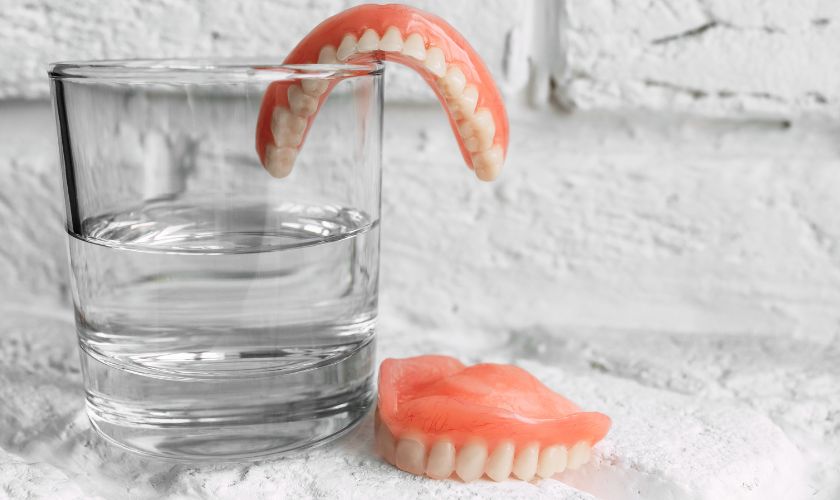
Dentures are a valuable solution for restoring your smile and improving your ability to chew and speak. While getting used to eating with dentures may take a little time and practice, there are several tips and techniques that can help you have a comfortable and enjoyable dining experience. In this article, we’ll explore some helpful tips to make eating with dentures easier and more enjoyable.
Getting Used To Eating With Dentures
Adjusting to eating with dentures is a gradual process. It’s common to experience some initial discomfort or difficulty while your mouth adapts to the new appliance. However, with patience and practice, you can soon enjoy a wide variety of foods without any major issues.
Tips For Eating With Dentures
Start with soft foods:
When you first begin eating with dentures, opt for soft and easy-to-chew foods. This can help you gradually get used to the sensation of chewing with your new dentures.
Cut Food into Smaller Pieces:
Cutting your food into smaller, bite-sized pieces can make it easier to manage and chew. This is especially helpful for foods that require more effort to bite through.
Chew Slowly and Gently:
Take your time while chewing, and try to distribute the pressure evenly on both sides of your mouth. Chewing slowly and gently can help prevent discomfort or denture movement.
Use Both Sides:
Chewing on both sides of your mouth can help stabilize your dentures and make the experience more balanced.
Avoid Sticky or Hard Foods:
Especially in the beginning, it’s a good idea to avoid sticky or hard foods that could potentially dislodge your dentures or cause discomfort.
Avoid Extremely Hot Foods:
Extremely hot foods or liquids can affect the fit of your dentures or even cause burns to your mouth. Allow hot foods to cool slightly before eating.
Use Denture Adhesive:
Denture adhesive can help improve the stability of your dentures while eating. However, if your dentures are properly fitted, adhesive may not always be necessary.
Practice Speaking and Chewing:
Spend some time practicing speaking, smiling, and chewing in front of a mirror. This can help you build confidence and refine your skills with your new dentures.
Stay Hydrated:
Staying hydrated is important for oral comfort and overall health. Drink water regularly, especially while eating.
Visit Your Dentist:
If you experience persistent discomfort or difficulty while eating, consult your dentist. Adjustments to the fit of your dentures may be needed.
Cleaning After Meals
After eating, it’s important to remove and clean your dentures to maintain their hygiene and longevity:
Rinse:
Gently rinse your dentures with water to remove food particles.
Clean:
Use a soft denture brush or a designated denture cleaner to clean your dentures thoroughly.
Brush Your Gums:
Brush your gums, tongue, and palate with a soft toothbrush to maintain oral hygiene and stimulate blood circulation.
Soak:
Soak your dentures in a denture-cleaning solution or water overnight to keep them moist and maintain their shape.
The Bottom Line
Eating with dentures can be a comfortable and enjoyable experience with a little patience and practice. By following these tips and gradually introducing different foods into your diet, you’ll find that you can regain your ability to chew, speak, and enjoy a wide range of foods once again. Remember that it’s normal to take some time to adapt, and if you have any concerns or difficulties, your dentist is there to support you and make any necessary adjustments to ensure your dentures fit well and enhance your quality of life.