
Bruxism, commonly known as teeth grinding or clenching, is a dental condition that affects many individuals. It can occur during the day or, more commonly, during sleep. Teeth grinding can lead to various oral health issues, including tooth damage, jaw pain, headaches, and disrupted sleep. Fortunately, night guards offer an effective solution to manage bruxism and protect your teeth. In this informative blog, we will explore the benefits of night guards and how they can help you say goodbye to bruxism.
Understanding Bruxism:
Bruxism is the involuntary clenching, grinding, or gnashing of teeth. It can occur due to several factors, including stress, anxiety, misaligned teeth, or an abnormal bite. Bruxism often goes unnoticed as it commonly occurs during sleep, but it can have significant consequences on your oral health and overall well-being.
Consequences of Untreated Bruxism:
If left untreated, bruxism can lead to various dental problems and discomforts, such as:
Tooth Damage: The constant grinding and clenching of teeth can wear down the tooth enamel, leading to tooth sensitivity, fractures, and chipped teeth.
Jaw Pain and Temporomandibular Joint (TMJ) Disorders: Bruxism can cause strain on the jaw muscles and the TMJ, resulting in jaw pain, facial pain, and the development of TMJ disorders.
Headaches and Earaches: The excessive pressure exerted on the jaw and facial muscles during teeth grinding can trigger headaches and earaches.
Disrupted Sleep: Bruxism can disrupt your sleep patterns, causing frequent awakenings, insomnia, and poor sleep quality.
The Role of Night Guards:
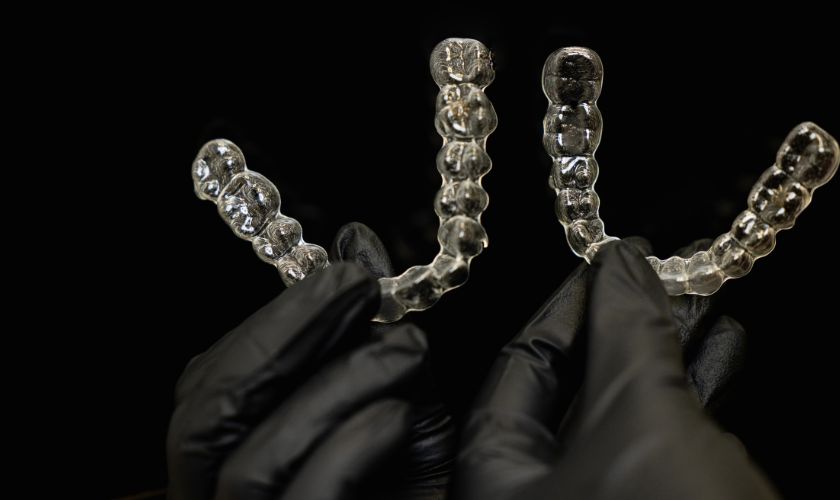
Night guards, also known as occlusal splints or bite splints, are dental appliances worn during sleep to protect the teeth and alleviate the effects of bruxism. They are custom-made to fit your mouth and provide a barrier between the upper and lower teeth, preventing them from grinding against each other.
Benefits of Night Guards:
Night guards offer several benefits in managing bruxism and promoting oral health:
Teeth Protection: Night guards create a cushioning effect that absorbs the force of teeth grinding, preventing tooth damage, wear, and fractures.
Muscle Relaxation: Night guards help relax the jaw muscles, reducing the strain and tension associated with bruxism. This can alleviate jaw pain and minimize the risk of developing TMJ disorders.
Headache Relief: By reducing the intensity of teeth grinding, night guards can alleviate the frequency and severity of headaches and earaches caused by bruxism.
Improved Sleep: Night guards promote better sleep by minimizing teeth grinding and clenching, allowing you and your sleep partner to rest more comfortably.
Customized Fit: Night guards are custom-made to fit your mouth precisely, ensuring optimal comfort, functionality, and effectiveness.
Getting a Night Guard: To obtain a night guard, follow these steps:
Consultation: Schedule a consultation with your dentist to discuss your symptoms, concerns, and the possibility of bruxism. Your dentist will examine your teeth, evaluate your bite, and determine the most suitable treatment plan.
Customization: If a night guard is recommended, your dentist will take impressions of your teeth to create a custom-made night guard that fits your mouth perfectly.
Fitting and Adjustment: Once the night guard is ready, your dentist will ensure it fits comfortably and make any necessary adjustments for optimal effectiveness.
Proper Usage and Maintenance: Your dentist will provide instructions on how to wear and care for your night guard. It’s important to wear it consistently during sleep and clean it regularly to maintain good oral hygiene.
Additional Tips for Managing Bruxism: In addition to using night guards, here are some tips to help manage bruxism:
Stress Reduction: Practice stress management techniques such as relaxation exercises, meditation, or counseling to reduce bruxism triggered by stress and anxiety.
Avoid Stimulants: Limit the intake of stimulants like caffeine and alcohol, as they can exacerbate teeth grinding.
Jaw Relaxation Exercises: Perform jaw relaxation exercises, such as gentle jaw stretches and massages, to alleviate tension in the jaw muscles.
Create a Bedtime Routine: Establish a calming bedtime routine to promote relaxation before sleep. This can include activities like reading, taking a warm bath, or listening to soothing music.
The Bottom Line:
Don’t let bruxism take a toll on your oral health and well-being. Night guards offer a reliable solution to manage teeth grinding and protect your teeth from damage. Consult with your dentist to determine if a night guard is right for you. By saying goodbye to bruxism with the help of night guards and implementing additional management techniques, you can restore oral health, alleviate discomfort, and enjoy a good night’s sleep.