
Orthodontic technology has come a long way over the years, and one of the most innovative advancements is the development of self-ligating braces. If you or your child has been recommended braces, you may have heard about this modern option. But how exactly do they work? And what makes them different from traditional braces? Understanding how self-ligating brackets move teeth can help you make a more informed decision about your smile journey.
What Are Self-Ligating Braces?
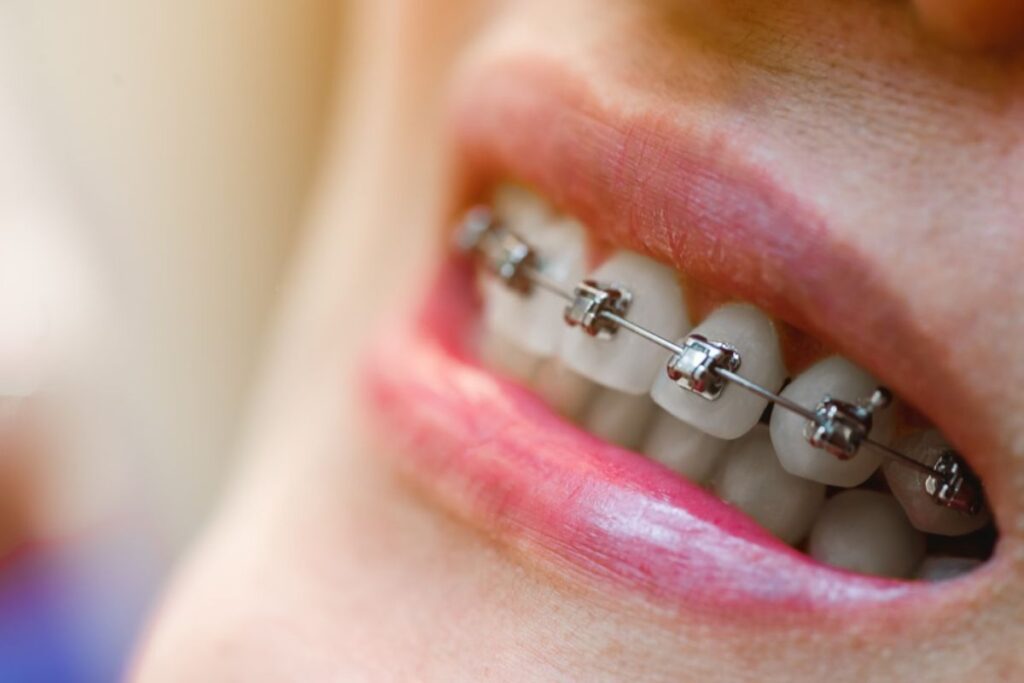
Self-ligating braces look similar to traditional braces at first glance, but the key difference lies in how the archwire is held in place. Traditional braces use elastic or metal ties to secure the wire to the brackets. Self-ligating braces, on the other hand, have built-in clips or sliding doors that hold the wire, eliminating the need for elastics.
These braces come in both metal and ceramic forms, offering a more streamlined, comfortable, and often faster orthodontic experience. Patients often notice that appointments are shorter, and the overall treatment may feel more comfortable due to reduced friction on the teeth.
How Self-Ligating Brackets Move Teeth
To appreciate the benefits of self-ligating braces, it’s important to understand how they actually move your teeth. The process involves a blend of physics and biology, working together over time.
1. Gentle, Continuous Force
The self-ligating system applies a consistent, low-friction force on each tooth. Unlike traditional systems that can feel tight after each adjustment, this approach allows teeth to move more naturally and with less discomfort.
2. Freedom of Movement
The built-in mechanism allows the archwire to slide more freely within the brackets. This freedom helps align the teeth more efficiently, adapting better to each person’s dental anatomy. It also supports faster alignment during the initial stages of treatment.
3. Better Oral Hygiene
Since there are no elastic bands to trap food or plaque, self-ligating braces make it easier to keep your teeth clean throughout treatment. Maintaining good hygiene is essential during orthodontic care to avoid issues like cavities or gum inflammation.
4. Reduced Pressure on Teeth and Roots
With traditional braces, the ligatures (rubber bands) can create additional pressure. In contrast, self-ligating systems allow the archwire to guide the teeth gently, which may reduce discomfort and minimize the risk of root resorption—a condition where the root structure of a tooth starts to break down.
Many patients exploring self-ligating braces in Hawthorn Woods choose this option for its innovative, patient-friendly design. It offers a modern orthodontic solution that prioritizes comfort, efficiency, and aesthetics—all crucial for a successful treatment experience.
Are Self-Ligating Braces Right for You?
The best way to determine if self-ligating braces are the right choice is to consult with an experienced orthodontist. While they offer numerous advantages, each smile is unique, and treatment must be tailored to your specific needs and goals.
Your orthodontist will assess your bite, jaw alignment, and overall oral health before recommending the ideal treatment approach. Whether you’re dealing with crowding, spacing, or bite issues, self-ligating brackets may be a great solution for efficient and comfortable tooth movement.
Benefits of Choosing Self-Ligating Braces
-
Fewer Office Visits: With no elastic ties to replace, you may need fewer adjustments over the course of treatment.
-
Improved Comfort: The system exerts gentler pressure, making it more comfortable for most patients.
-
Discreet Options: Ceramic versions offer a more aesthetic alternative to metal braces.
-
Better Hygiene: Easier brushing and flossing mean a healthier smile during treatment.
Self-ligating braces offer a smart, modern approach to orthodontic treatment, especially for individuals looking for a comfortable and effective way to achieve a healthier, straighter smile. If you’re considering orthodontics for yourself or your child, take the time to learn about the latest advancements and how they can work for your needs.
To explore your options and take the first step toward a better smile, don’t hesitate to schedule an appointment with a trusted orthodontic professional who can guide you every step of the way.